There is a distinct generation of anime fans who remember exactly what it felt like to navigate the internet and television blocks before major streaming algorithms took over. It was an era defined by raw passion, unexpected gems found on late-night broadcast blocks, and word-of-mouth recommendations on old-school web forums. If you wanted something that broke the mold, you had to hunt for it.
When we look back at the moments that truly defined otaku culture, they span across the absolute titans of mainstream shonen, massive continent-spanning sci-fi epics, and the deeply atmospheric underdogs that time shouldn’t be allowed to forget.
Let’s light up the ultimate nostalgia playlist and look at the iconic milestones that shaped our collective love for anime.
The Birth of an Underdog: The Radical Rise of Naruto
Back in the early 2000s, anime fans looking for an alternative to the traditional fantasy structures found their home in the Hidden Leaf Village. If you wanted a story that replaced basic tropes with deeply emotional stakes and complex personal isolation, you watched the young Uzumaki.
[The Pariah of the Leaf] —> The Chunin Selection Exam —> [The Awakened Shinobi]
(Scorn & Hidden Burden) (Neji, Sasuke, & Gaara) (The First Kurama Sight)
Naruto’s journey was built entirely on a foundation of profound loneliness. He grew up facing the heavy, silent scorn of a village that simultaneously feared and hated the burden instilled inside him—a burden sealed by a father he never knew and a mother he never met. Yet, what makes Naruto live forever in our memories are the legendary high-octane arcs where that hidden subtext exploded into pure action.


- The First Shinobi Tournament: The Chunin Exam stadium remains an untouched monument of hype. Seeing Neji’s calculated Gentle Fist, Sasuke’s rapid tactical evolution, and Naruto’s sheer defiance stand up against the terrifying, sand-wielding menace of Gaara was a masterclass in tension.
- The Sighting of Kurama: That chilling, awe-inspiring moment when the seal fractured and the massive, overwhelming chakra of the Nine-Tails leaked out for the very first time.
- The Land of Waves: Long before the grand ninja wars, the confrontation with Zabuza and Haku in the Hidden Mist set the definitive emotional bar for the series. The brutal sacrifice, the raw heartbreak on the bridge, and the soaring strings of Sadness and Sorrow created a sonic and visual memory that still gives fans goosebumps today.
Continent-Spanning Iron: The Mechanical Soul of Zoids
If Naruto captured the spirit of human grit, Zoids: Chaotic Century delivered one of the grandest, most expansive sci-fi landscapes ever brought to an animation screen.
“The bond between a pilot and their metal isn’t coded—it’s forged in battle.”
Who could possibly forget the pure magic of Van Flyheight first discovering Zeke, the mysterious Organoid, inside a ruined facility? That singular meeting catalyzed a legendary connection with the iconic Shield Liger, kickstarting a massive trek across a vast, war-torn continent.


Zoids didn’t just rely on cool mechanical designs; it succeeded because the relationships evolved fluidly alongside the narrative. As Van, Fiona, and Irvine traveled across sprawling deserts and industrial complexes, their lives and perspectives matured right in front of us, transforming a show about giant mechanical beasts into a deeply human coming-of-age epic.
The Darker Corners and Hidden Gems of the 2000s
While the titans dominated prime-time television, a specific group of late-night otaku sought out darker, more atmospheric narratives. These are the cult classics that might have slipped into the quieter pages of history, but left an undeniable mark on anyone who watched them.
The Midnight Slate: Vampires and Assassins
Shows like Black Cat brought slick, gunslinging bounty hunter style to the table, while Trinity Blood and Black Blood Brothers delivered a mature, gothic, and beautifully stylized look at vampire warfare. Black Blood Brothers specifically captured that sleek, early-web urban fantasy aesthetic with Jiro Mochizuki—the Silver Blade—wielding his katana against the Kowloon Children in a secret, neon-lit sanctuary.


The Unhinged Comedic Legends
On the absolute opposite side of the spectrum stood the glorious, chaotic comedies that refused to take themselves seriously.

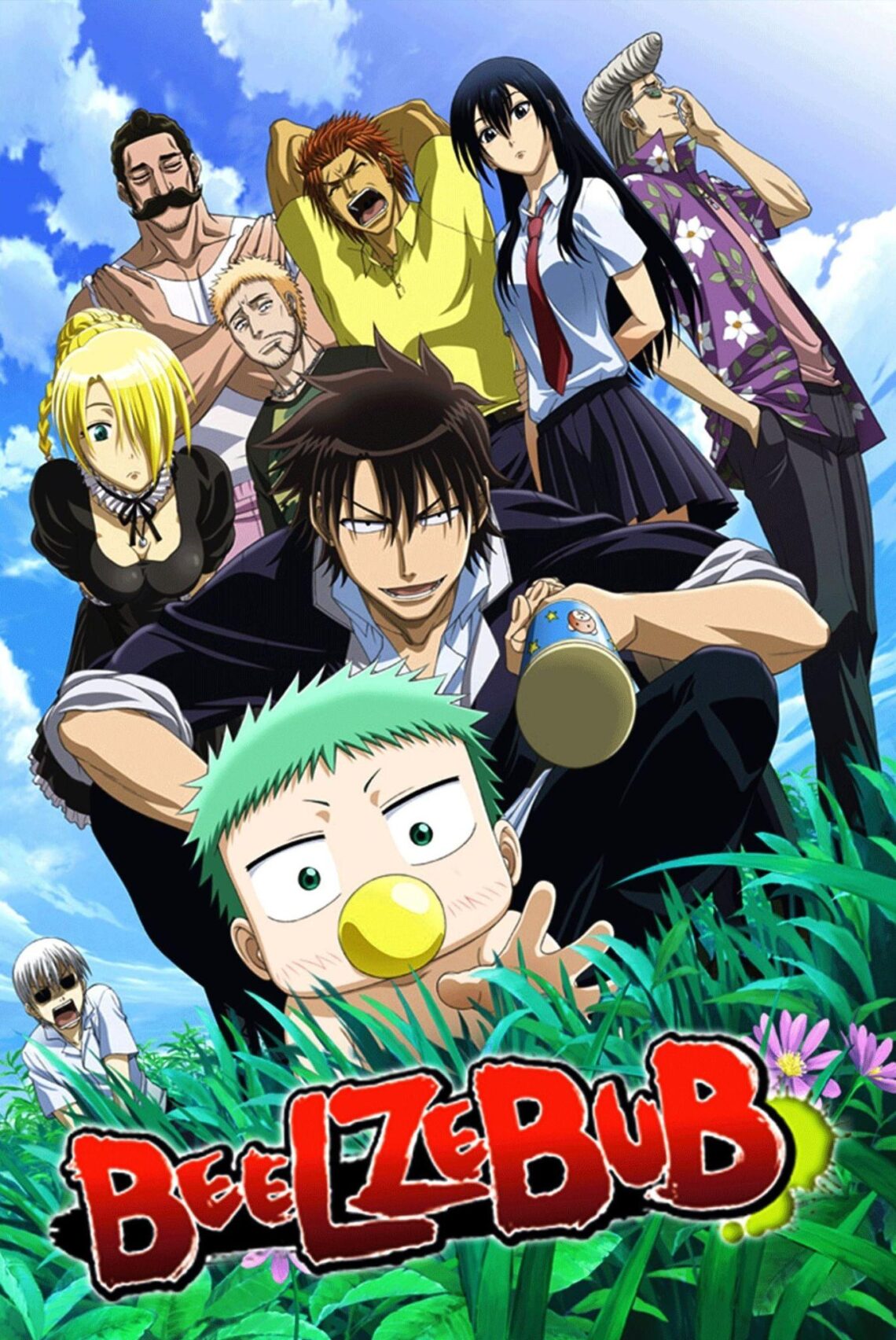
- Beelzebub: A legendary riot of a show following the ultimate delinquent, Oga Tatsumi, who is forced to raise the literal son of the Demon King. Nobody who watched this series can forget the running gag of baby Beel casually riding on Oga’s head and routinely pissing a literal torrent of demonic fluids across the local delinquents and ogres.
- Zatch Bell! & Katekyo Hitman Reborn!: Masterpieces of unique personality. Zatch Bell turned historical spell-books and mamodo battles into heart-wrenching emotional duels, while Reborn! seamlessly pivoted from absurd mafia-baby comedy into a high-stakes, flame-wielding battle shonen.

Series | The Signature Vibe | The Unforgettable Dynamic |
|---|---|---|
Beelzebub | Pure, chaotic delinquent comedy | Oga acting as a human stroller for a destructive demon baby. |
Zatch Bell! | Emotional, book-based magical duels | The fierce, tearful loyalty between Kiyomaro and Zatch. |
Hitman Reborn! | Stylized, flame-powered mafia warfare | Tsuna transforming from a coward into a gravity-defying boss. |
Respecting the Blueprint: Spirit Detective Genkai
However, it is impossible to pay homage to these incredible eras of character personality and episodic flair without acknowledging the absolute blueprint that laid the groundwork for them all: Yu Yu Hakusho.
Long before Jinpachi Ego built his prison or Naruto learned to tame his inner beast, Yusuke Urameshi was navigating the supernatural underworld as a Spirit Detective. And at the heart of that journey was the legendary master, Genkai.

Genkai represented the absolute peak of the “helpful peer and tough-love expert” archetype. She didn’t coddle her students; she threw them into grueling, life-threatening training arcs because she understood that true strength is forged when you have your back completely against the wall. The camaraderie of Team Urameshi—with Kuwabara, Kurama, and Hiei—during the Dark Tournament remains the gold standard for how to write an ensemble anime cast.
The Legacy Lives On
Whether it’s the heartbreaking sacrifice on a misty bridge in the Land of Waves, the roaring engines of a Liger charging across an endless continent, or a demon baby causing absolute madness in a high school courtyard, these milestones are what made being an otaku so incredibly special. They remind us that the best stories don’t just entertain us—they build worlds we never want to leave, backed by the theme songs we will be humming for the rest of our lives.