Movies, Series and Trailers - The Lifestyle

The Agony of the 12-Episode Crunch: What Is Lost When Manhwa Goes Mainstream?

There is a distinct, unparalleled thrill to reading webtoons and manhwa. It is the exact same high that made the internet so infectious in the early days: grand, unfiltered concepts, fluid world-building, and pacing that allows a story to live, breathe, and evolve across hundreds of digital scroll panels.

But over the last few years, the global entertainment industry has fully realized that Korean webtoons are the ultimate goldmine for next-generation storytelling. The gold rush is on, and mainstream anime adaptations are dropping left and right.

Yet, for die-hard fans, this massive win comes with a lingering, bitter sting. Watching masterpieces like The God of High School, Solo Leveling, Tomb Raider King, and Tower of God make the leap to the screen has exposed a recurring, systematic tragedy.

No one is saying for every single adaptation to be a sprawling, 1,000-episode mega-shonen like One Piece just to establish basic plot depth. But right now, the industry’s obsession with the standard 12-episode seasonal crunch is treating sprawling epics like fast-food content. With powerhouse titles like Overgeared entering the production pipeline, we have to look closely at the pattern—and ask ourselves exactly how much of the story’s soul we are losing to the shift.

The 12-Episode Meat Grinder: A Recurring Pattern

The problem isn’t the medium of animation itself; it’s the structural layout of modern production committees. When a manhwa with 150 chapters of intricate setup is shoved into a single, three-hour broadcast window, something fundamental snaps.

[The Epic Webtoon Page] —> Shoved Through —> [The 12-Episode Crunch] = A Hyper-Rushed Action Montage

(Deep Lore, Side Characters) (Strict Time Constraints) (Missing Soul)

Look at the causalities left in the wake of this adaptation boom:

  • The God of High School: An absolute masterclass in hyper-stylized action, but a narrative trainwreck. The anime infamously crammed over 110 chapters of dense, tournament-arc lore and character development into 12 episodes. The result was a gorgeous but hollow spectacle where massive emotional beats felt entirely unearned because the audience wasn’t given the time to care.
  • Tower of God: A story celebrated for its claustrophobic, high-stakes mystery and intricate world-building. While Season 1 captured the aesthetic, it aggressively trimmed the secondary characters’ internal monologues and tactical games, turning a deeply cerebral survival test into a rushed sprint up the tower.
  • Solo Leveling: While it fared better by strictly focusing on Jinwoo’s solo progression, the adaptation still had to hyper-accelerate the subtle, world-building shifts that made the original web novel and manhwa feel like a living, breathing geopolitical crisis rather than a standard video game power-trip.

The Art of the Slow Burn vs. The Mainstream Rush

The real agony of this transition lies in what gets left on the cutting room floor. Webtoons excel at the micro-moments—the quiet chapters where characters just sit, plan, recover from trauma, or build the economic and political frameworks of their worlds.

Take Overgeared or Tomb Raider King as prime examples. These aren’t stories about a hero who wakes up with infinite power. Grid’s journey in Overgeared is a grueling, slow-burn evolution of a deeply flawed, unlucky gamer learning the meticulous art of legendary blacksmithing, market manipulation, and gradual self-worth. Tomb Raider King relies heavily on the complex, snarky, historical lore of relics and the cutthroat corporate espionage surrounding them.

When you strip those stories down to fit a 12-episode runtime, the production team is forced to prioritize the flashy fight scenes over the structural logic. The deep, fluid storylines get compressed into brief montages, and the rich plot depth is replaced by rapid, convenient exposition.

The Manhwa Experience

The Mainstream 12-Episode Reality

Pacing: Chapters dedicated to crafting, training, and political chess.

Pacing: A relentless sprint from major boss fight to major boss fight.

Character Depth: Side characters possess distinct motivations, backstories, and subplots.

Character Depth: Side characters are reduced to cheerleaders reacting to the protagonist.

World-Building: The mechanics of the magic, game, or dungeon system are deeply explored.

World-Building: Quick text cards or rushed dialogue lines to hand-wave the rules.

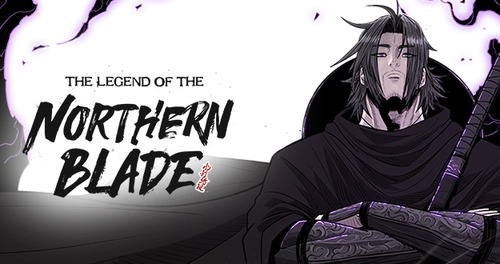
The Future Risks: ‘The First Hunter’ & ‘Legend of the Northern Blade’

This systemic issue makes looking toward the future a highly anxious exercise for fans. Consider two of the absolute pillars of the medium: The First Hunter and Legend of the Northern Blade.

[ THE FUTURE ADAPTATION RISK ]

If Given 12 Episodes: If Given Proper Room:

– Rushed apocalyptic collapse – Brutal, calculated urban survival

– Generic monster-of-the-week pacing – Methodical breakdown of human society

– Rushed Murim political shifts – Slow-burn generation-spanning revenge

– Flat, rapid martial art powerups – Poetic, ink-style tactical evolution

Seeing The First Hunter brought to life on screen is a dream for anyone who loves raw, psychological urban survival. But the thought of its meticulous post-apocalyptic collapse, its heavy atmosphere of isolation, and the calculated, step-by-step military evolution of Taehun Kim being sliced up to fit a standard seasonal block is terrifying.

The same applies to the legendary Legend of the Northern Blade. Jin Mu-Won’s agonizing journey to avenge the Northern Heavenly Sect is rooted in classic, patient martial discipline. His strength is hard-won through decades of silent solitude and profound emotional scarring. To reduce its complex combat maneuvers, tragic storytelling, and sprawling Murim world-building to a fast-paced 12-episode action reel would be a disservice to its status as a modern masterpiece. Both stories deserve room to breathe, room to build tension, and room to let their worlds truly settle.

The Path Forward: Breaking the Formula

The industry needs to realize that 12 episodes can be enough to deliver incredible depth—but only if the scope of the adaptation is adjusted. Instead of trying to adapt massive structural arcs in a single go, studios must commit to smaller, hyper-focused chapters or embrace the multi-cour format from day one.

Mainstream success shouldn’t mean stripping away the very elements that made a property a hit in the first place. Until production committees stop treating manhwa like a checklist of fight scenes and start treating them like the epic, character-driven sagas they are, fans will continue to watch their favorite stories step into the mainstream spotlight with a heavy mix of excitement and genuine heartbreak.

For a deeper analysis of how these adaptation issues manifest visually, you can watch this breakdown of the Legend of the Northern Blade Video Essay. This community perspective highlights the incredible difficulty of translating the unique ink-brush art style and complex framing of the webtoon to animation without losing its signature soul.

Leave a Reply

Your email address will not be published. Required fields are marked *