The Canadian Grand Prix offered a fleeting glimpse of hope for teams chasing the front of the grid, but beneath the surface-level celebrations in Montreal lies a paddock wrestling with deep engineering anxieties. As Formula 1 barrels toward the summer break, the gap between optimistic press releases and the cold reality of cost-cap mathematics is wider than ever.

From Aston Martin’s teeth-rattling mechanical gremlins to Mercedes’ fragile power delivery, the upcoming technical shifts are exposing the fractures in the grid’s top operations.
Aston Martin: False Hope vs. The Cost-Cap Wall
On paper, Montreal was a welcome double-points finish for Aston Martin. Seeing both green cars cross the line brought a brief sigh of relief to a garage that has felt distinctly cold in recent months. But for fans tuning in to watch Fernando Alonso, the veteran Spaniard’s performance is masking severe, underlying car complications.
Word from the paddock suggests that Alonso is still struggling to firmly grasp the steering wheel during high-speed stints due to violent vibrations an issue previously dismissed as a minor “seat comfort” quirk. While Lance Stroll took a more pragmatic view in Canada, blaming tyre temperature management and intermittent power delivery, the structural reality is far more concerning.
The Technical Wall: Team management has reportedly acknowledged that major aerodynamic upgrades to resolve these fundamental vibration issues on the AMR26 are no longer mathematically or financially feasible under the strict cost cap.
With Monaco threatening to punish these cooling and mechanical flaws with overheating and DNFs, Alonso and Stroll’s public optimism about post-summer upgrades presumably targeted for Zandvoort feels like a brave face on a frozen development cycle. If the team cannot afford to fix the car’s core instability, they are essentially asking Alonso to muscle his way through the rest of the season on pure grit.
Mercedes: Fragile Machinery and the ADUO Dilemma
If Montreal proved anything, it’s that Mercedes’ 2026 power unit framework is operating on a razor’s edge. The technical scrimmage in Canada revealed a scary vulnerability: these power units are incredibly fragile when pushed into wheel-to-wheel combat. Toto Wolff’s current directive feels clear give rookie Kimi Antonelli space, protect the machinery, and keep the cars safe.

But defensive driving doesn’t win championships. Wolff has been vocal about his reluctance to capitalize on the FIA’s Additional Development and Upgrade Opportunities (ADUO) the regulatory mechanism designed to let manufacturers fix performance deficits. Yet, Montreal exposed that Mercedes’ benchmark unit isn’t battle-ready for sustained podium fights.
Right now, Brackley is relying on strategic gamemanship rather than raw, reliable pace. With data exposing clear vulnerabilities in their benchmark power unit, Mercedes management may soon be forced to swallow their pride and seek support through ADUO channels just to keep their customer teams viable.
Ferrari: Moving Mountains or Moving Dirt?
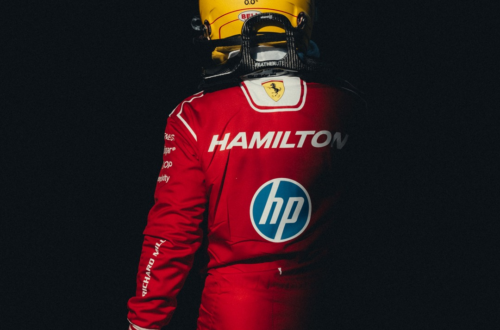
The praise showering Maranello recently feels premature. If Ferrari claims they have removed the mountain of their performance deficit, the reality looks more like they cleared a small patch of dirt.

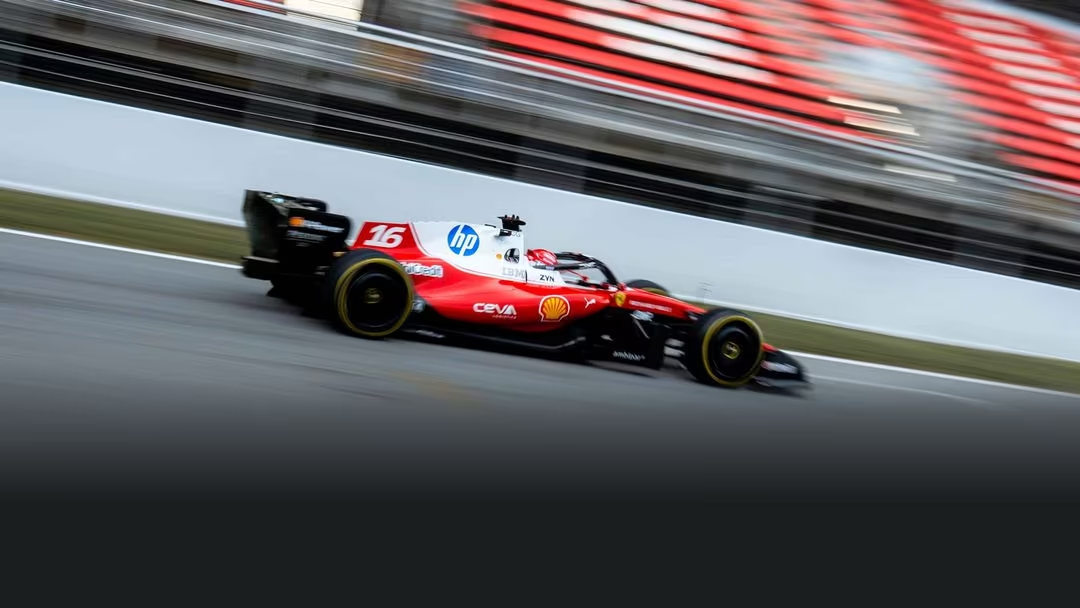
Ferrari’s engine is still operating at a distinct deficit. The team brought an aggressive package of 11 aerodynamic upgrades to recent rounds, but the data shows it simply hasn’t translated into competitive straight-line speed. Combined with a temperamental new turbocharger configuration, Maranello’s technical direction looks like a fast track back to leaving Charles Leclerc (#16) stranded on track, greeting another premature race exit.
With rival teams planning massive, holistic upgrade packages over the summer break, Ferrari’s current path risks leaving them dead in the water just as the development race intensifies.
The 2026 Aero Crunch: Shaking the Grid Awake
Looming over all of these garage-specific crises is the FIA’s radical blueprint for the sport’s future regulations. The governing body is locked into a massive thermodynamic and aerodynamic shift:
A mandatory 20% reduction in downforce
A massive 55% reduction in drag
This target is meant to create nimbler, more agile racing, but it poses a terrifying engineering paradox for struggling teams.
If a team like Aston Martin is already burning through its cost cap just trying to stop the chassis from shaking its drivers loose, a 55% drag reduction target changes the physics entirely. Stripping that much drag while trying to stabilize a vibrating platform isn’t just an aero puzzle it’s a fundamental structural nightmare. As the grid heads toward the summer break, the teams relying on gamemanship and legacy reputation are about to find out exactly how brutal the new math of Formula 1 can be.