While the subterranean vaults hide the bottles, the most cinematic, human story of Monaco and wine happened entirely above ground on a sun-drenched day at the end of World War II.
It involves Sir Winston Churchill, a legendary bottle of 1811 rum, and the literal rebirth of Monte Carlo’s hospitality empire.

The Stratagem of the Empty Bottles
To understand why Churchill was above ground in Monaco with a glass in his hand, you have to look at what happened just months earlier. During the dark years of the German occupation of the Principality, the cellars of the Hôtel de Paris were a prime target. The occupying forces knew that beneath the hotel lay one of the greatest liquid fortunes on the planet.

But the legendary cellar master, Etienne Brigasco, pulled off an audacious piece of psychological warfare. Armed with nothing but thousands of completely empty, worthless wine bottles, Brigasco and a handful of trusted hotel employees built a massive, thick, crude stone-and-glass wall deep inside a main artery of the tunnels. When the officers came down to inspect the vaults, Brigasco pointed to the wall of garbage and convincingly sighed, explaining that a massive cave-in had completely blocked off the rest of the facility, rendering it unsafe.
The trick worked. The soldiers turned back.
Behind that single wall of empty bottles sat 20,000 of the world’s most valuable wines, the irreplaceable silver service of the hotel, and the highly classified, priceless personal wine collection of Prince Rainier III and the House of Grimaldi.
The Reopening and the 1811 Toast
When the Liberation finally swept through Europe, Monaco awoke. The fake wall was torn down block by block, bottle by bottle, exposing the pristine, untouched liquid history hiding behind it.
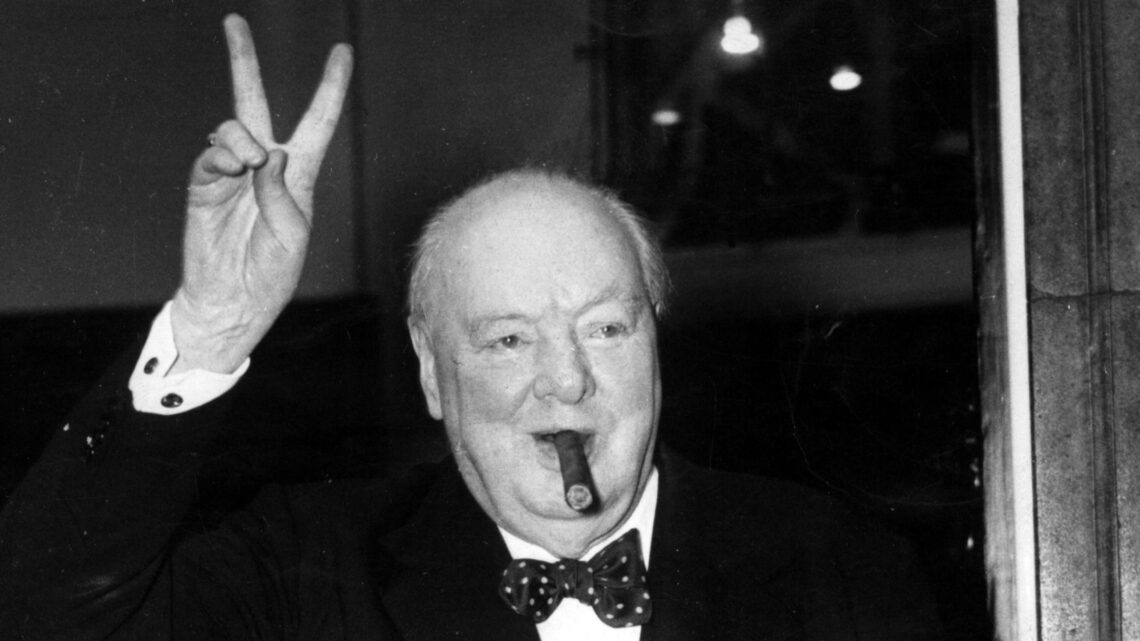
To celebrate the survival of the Principality and the reopening of the hotel, Monaco invited Britain’s Prime Minister, Sir Winston Churchill a man whose legendary affinity for premium alcohol and heavy cigars was practically a matter of state protocol.
Instead of hiding in the dark underground, the celebration spilled directly out into the blinding Mediterranean sun, right onto the terrace overlooking the Place du Casino.
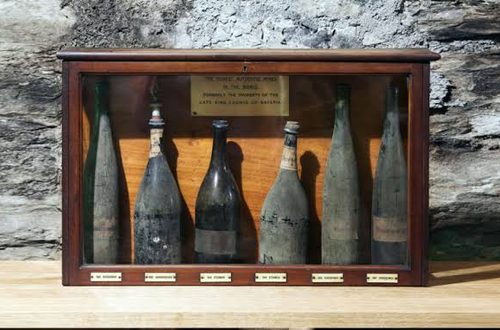
To honor Churchill, the cellar masters didn’t just pull a standard Grand Cru Bordeaux. They brought up an incredibly rare, legendary artifact that had survived Brigasco’s wall: a bottle of 1811 rum, harvested during the historic “Comet Vintage” (the same year as the mythic 100-point Château d’Yquem).

Right there on the terrace, with the engines of early post-war sports cars starting to rumble back to life in the square, the cork was drawn. Churchill, sitting alongside Monegasque officials, raised his glass to the Mediterranean sky.
The un-grafted, pre-industrial spirit inside that glass wasn’t just a luxury drink; it was a liquid declaration that the dark times were over. It proved that despite a global war, Monaco’s uncompromising dedication to heritage, precision, and the finer things in life had emerged from the darkness completely intact.
The Modern Footnote: If you visit Monte Carlo today, that exact spirit of resilience defines the modern resort. That 1811 rum vintage became so legendary within the palace walls that a handful of its remaining sister bottles are still kept under lock and key, classified by the state as permanent “historical monuments” that are no longer allowed to be sold at any price.