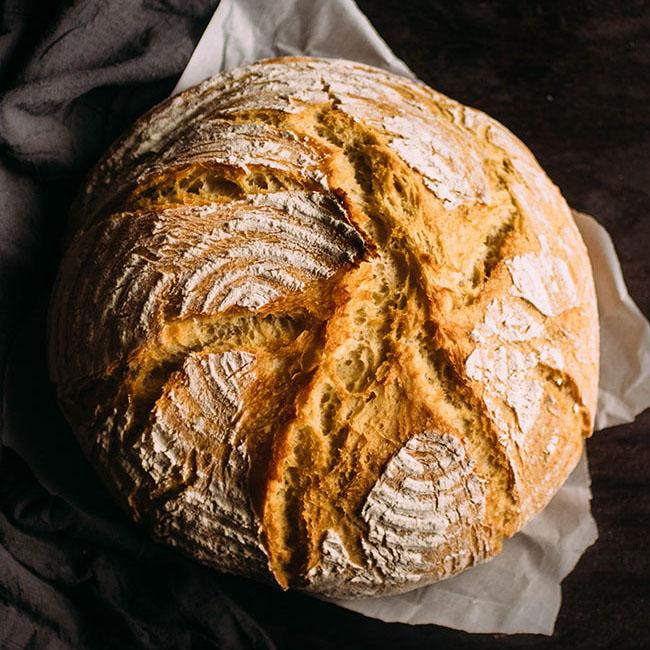
There was a time when a restaurant’s bread basket was a point of in-house pride. Kitchens took on grueling multi-day ferments, manicured levain cultures, and sacrificed precious oven real estate to turn out artisan sourdoughs and enriched brioche buns.
Yet, as top chefs across the country recently confirmed in Food & Wine, the paradigm has undergone a dramatic shift.

Rather than exhausting kitchen labor and driving up overhead costs, professional chefs are routinely raiding commercial grocery aisles for their bread supply. From artisanal regional chains to commercial wholesale powerhouses, restaurants have realized a quiet truth: high-end retail bakeries are producing loaves that meet—and sometimes exceed—restaurant-grade benchmarks.
The Restaurant Buyout: Why Commercial Aisle Bread Is Winning
This quiet migration to retail shelves isn’t laziness; it’s precise operational logic. As inflation and labor shortages continue to compress restaurant margins, dedicating hours of prep time to flour metrics, proofing temperature curves, and dough hydration is no longer sustainable for every kitchen.
When publication roundups query culinary pros about their favorite bread sources, the answers aren’t obscure wholesale specialty importers. They are store-bought staples and grocery bakery departments.
Why are line cooks and head chefs sweeping grocery shelves before prep shift?
- Engineered Consistency: Commercial bakeries operate under rigorous quality control standards. A batch of potato rolls or brioche from a trusted retail brand delivers identical crumb density, sweetness, and moisture levels every single day.
- Structural Durability: Commercial baking often masters the balance between a pillowy interior and a sturdy crust built to withstand transport, holding temperatures, and high-moisture sandwich builds.
- Cost Efficiency: Sourcing top-tier retail loaves bypasses the trial-and-error waste inherent in in-house baking.
Consequently, commercial bread has lost its institutional stigma. It is no longer a compromise; it is an efficiency play embraced by some of the sharpest minds in the culinary industry.
The Chemistry of the Crush: Why the Right Burger Demands the Right Bun
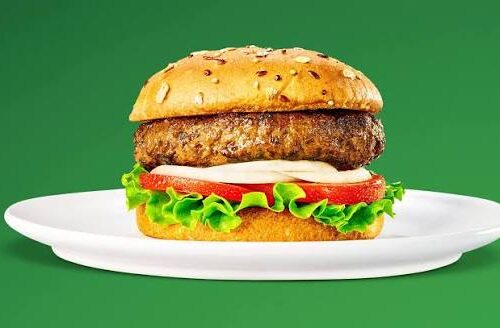
While a rustic sourdough loaf might shine on a dinner table bread plate, nowhere does the choice of bread carry higher stakes than in the construction of a burger.
A burger is an ecosystem of fat, acid, heat, and moisture. The patty delivers savory, rich, umami-dense beef fat; cheese adds salty viscosity; pickles and sauces introduce acidity and moisture. The bun, therefore, cannot simply serve as a passive handling vehicle or an aesthetic topper. It is the architectural anchor of the entire dish.
Pairing the wrong bun with a patty isn’t just a minor oversight—it completely destroys the burger’s balance:
- The Brioche Delusion: For years, high-end gastropubs defaulted to heavy, egg-rich brioche. However, a rich, double-smash patty already carries immense fat content. Wrapping it in a heavy, overly sweet, butter-drenched brioche creates a palate-fatiguing grease bomb.
- The Crusty Hard Roll Disaster: A crusty, artisanal sourdough bun might look impressive on an Instagram feed, but the moment you bite down, structural physics fails. The firm crust resists the bite, forcing the patty, cheese, and condiments to squeeze out the back of the sandwich.
- The Golden Standard (Potato and Enriched Soft Rolls): This is precisely why commercial staples like Martin’s Potato Rolls or squishy enriched soft buns remain the undisputed darling of burger purists and professional chefs alike. A potato bun offers high elasticity, absorbing rendered beef juice and melted cheese without disintegrating, all while squishing down effortlessly to yield a perfect meat-to-bread ratio in every single bite.
The right bun acts as a sponge, a shock absorber, and a flavor conductor. It holds its integrity against steam and grease while offering zero bite resistance.
The Broader Shift
Much like the structural recalibrations we’ve chronicled in The Beautiful Terrifying Shift, the culinary world is letting go of performative complexity in favor of what genuinely works. Whether a chef is sourcing store-bought loaves for a lunch service or carefully matching a smash patty with a squishy potato bun, the focus has shifted toward practical perfection.
In the end, cooking isn’t about proving you can bake every grain from scratch. It’s about understanding the harmony of simple elements—a lesson as clear as enjoying The Saturday Morning Reprieve: A Stroll to the Summit with Mika.in.Paris, clearing out unnecessary noise as explored in The Chat: The Silent Game and Our Disconnect, or raising a glass to life’s effortless milestones in Mazel Tov, She’s Pregnant.
When you get the bread right, everything else falls perfectly into place.