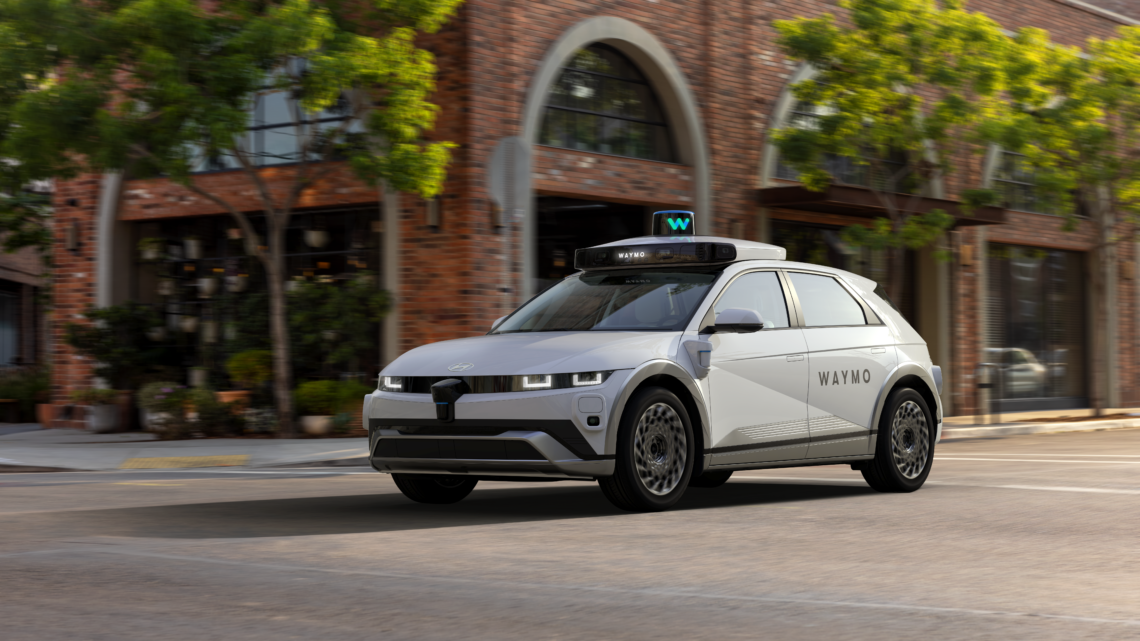
While Waymo has made incredible strides, the road to a fully autonomous future is still long and complex.

Navigating the Regulatory Landscape
Each city, state, and country has its own set of regulations concerning autonomous vehicles. Waymo works closely with regulators to develop comprehensive safety standards and operational frameworks, but this remains a significant hurdle for widespread deployment. Harmonizing these diverse rules is crucial for scaling.
Building Public Trust
Despite impressive safety records, some public skepticism about self-driving technology remains. Waymo’s strategy is to build trust through transparent operations, consistent safety messaging, and positive passenger experiences. Demonstrating consistent, flawless performance in public is the most powerful argument.

Scaling Operations
Developing the technology is one thing; deploying and managing a vast fleet of thousands or millions of autonomous vehicles across diverse geographies is another. This requires robust infrastructure for maintenance, charging, remote assistance, and fleet management. Waymo’s partnerships and ongoing expansion efforts are critical here.
The Ethical Imperative
Autonomous vehicles will inevitably face ethical dilemmas, albeit rarely. Who is “at fault” in an unavoidable accident? How should an AI prioritize outcomes in impossible scenarios? Waymo, and the industry at large, must continue to engage in deep ethical discussions and transparently address these complex questions.

The Competition
The autonomous vehicle space is competitive, with many players vying for market share. Waymo’s strength lies in its long-standing lead in fully autonomous operations, its vast amount of real-world driving data, and its comprehensive, integrated “Driver” system. However, continuous innovation is key to staying ahead.
Expanding Beyond Robotaxis
While robotaxis are the most visible application, Waymo’s technology has broader potential:
- Trucking (Waymo Via): Waymo is already developing autonomous solutions for long-haul trucking, which could significantly improve safety and efficiency in logistics.
- Personal Car Licensing: While not Waymo’s primary focus, their technology could eventually be licensed to traditional automakers for use in privately owned vehicles.
- Last-Mile Delivery: Autonomous vehicles could play a role in efficient, localized delivery services, reducing costs and congestion.
Conclusion: The Wheels of Change Are Turning (Autonomously!)
Waymo represents more than just a technological marvel; it’s a profound vision for a future where transportation is safer, more accessible, more efficient, and more enjoyable for everyone. Born from an audacious “moonshot” and meticulously engineered over more than a decade, the Waymo Driver is not just an idea; it’s a proven system that’s already navigating the complexities of our streets today.
The journey towards a fully autonomous world is ongoing, filled with challenges and continuous learning. Yet, Waymo’s unwavering commitment to safety, its deep integration of cutting edge AI and sensor technology, and its focus on a delightful passenger experience position it as a quiet revolutionary. It’s transforming our perception of what a car can be and what our cities can become.
So, the next time you see a Waymo vehicle gliding silently through your city, remember: you’re not just looking at a self-driving car. You’re witnessing the future of mobility, meticulously crafted, safely tested, and ready to welcome you aboard. The wheels of change are turning, autonomously and with an impressive sense of purpose.