The debate between the “pure” racing experience and the glitzy evolution of global entertainment has reached a boiling point. Following recent comments from Mercedes Team Principal Toto Wolff, it is becoming increasingly clear that for F1’s leadership, the metric of success is no longer just what happens on the tarmac, but the sheer scale of the audience watching it.

According to a recent report by Sportlines, Wolff is standing firm against the critics—including reigning champion Max Verstappen—defending a sport that prioritizes modern popularity over traditional functionality.
The Wolff Defense: Growth is the Ultimate Metric
Toto Wolff has dismissed the idea that Formula 1 is losing its way. While purists argue that the “soul” of racing is being diluted by sprint races and bloated weekend schedules, Wolff points to the hard data.


- Engagement Over Everything: Wolff cites record-breaking viewership, digital engagement, and the massive global expansion (particularly in the US) as proof that the fans are satisfied.
- Accessibility: From his perspective, the changes—while complex—make the sport more “accessible” to a broader audience who might find traditional 90-minute endurance tests less compelling than the modern, high-speed spectacle.
The Verstappen Conflict: Purity vs. Spectacle
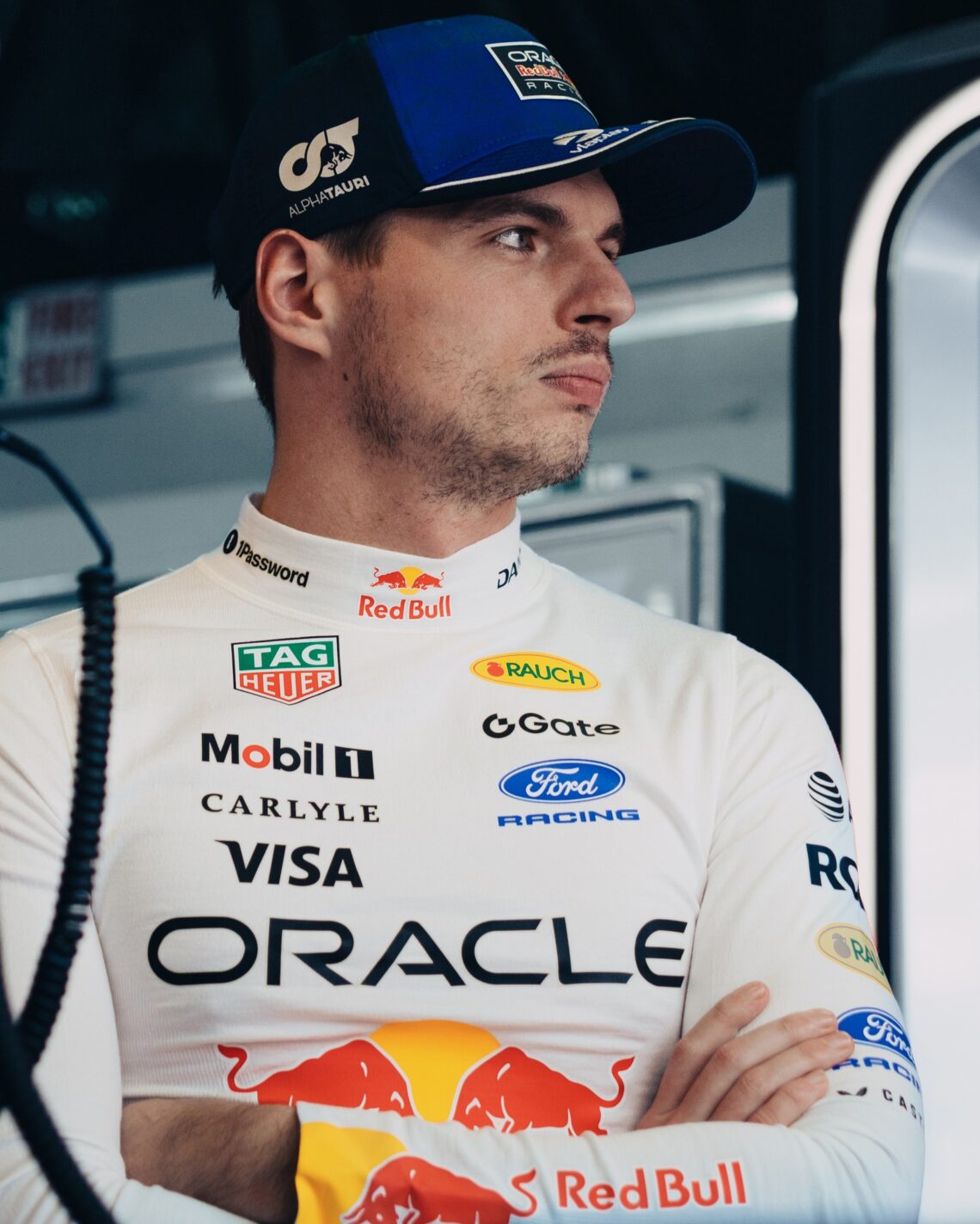
The “Popularity vs. Functionality” argument is best personified by the friction between Wolff and Max Verstappen.
Verstappen has been a vocal critic of the sport’s recent pivot. For the Dutchman, the “functionality” of a racing weekend—the qualifying, the long-run preparation, and the technical integrity of the Sunday Grand Prix—is being compromised by “gimmicks” like sprint races. Verstappen’s stance is that of the driver-egoist: he wants the fastest car and the purest competition.
Wolff, however, represents the stakeholders. To him, the sport is a commercial beast that must be fed. If the fans are clicking, the sport is succeeding.
The Balance: Can Tradition Survive Innovation?
The ongoing tension underscores a pivotal moment for F1 in 2026. As the sport moves away from being a niche European motorsport toward becoming a global entertainment powerhouse, a divide has formed:
- The Purists: Want technical mastery and traditional race formats.
- The New Guard (Wolff’s camp): Want showmanship, digital integration, and a “flying” pace of entertainment that matches the attention span of a modern audience.
Ultimately, the sport’s leadership is betting that popularity will always trump the technical “functionality” that the older generation craves. For now, with the stands packed and the revenue rising, it’s a bet that seems to be paying off.