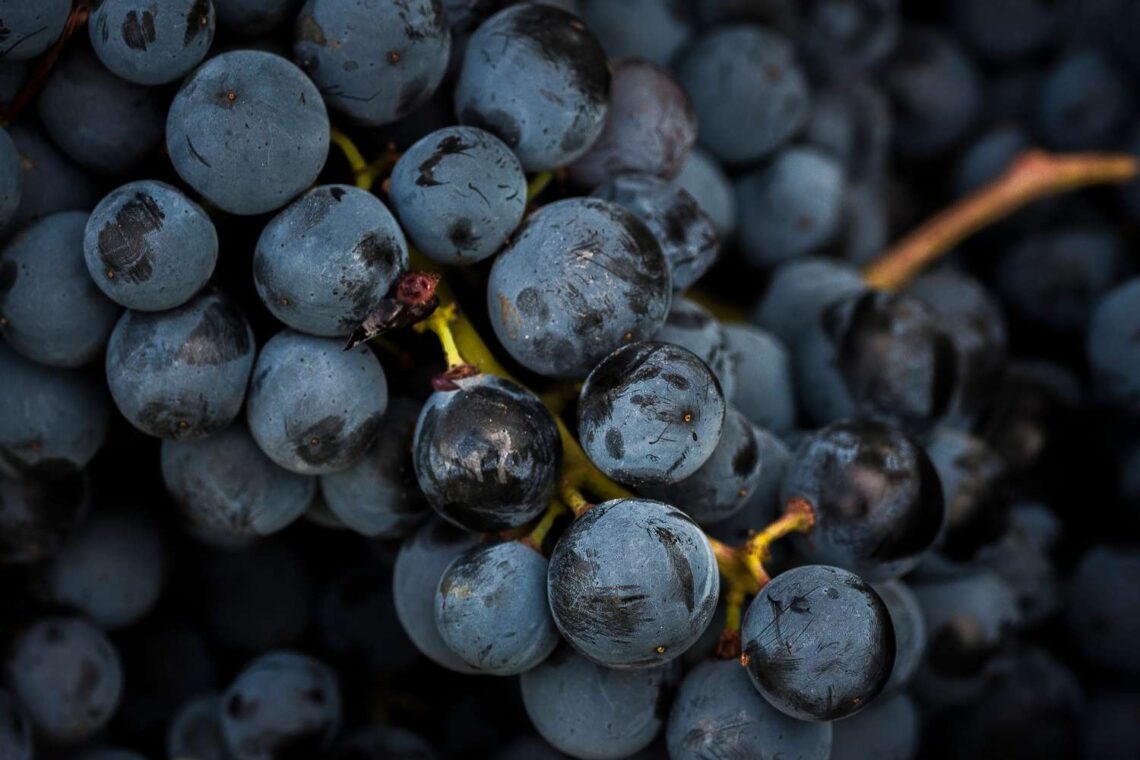
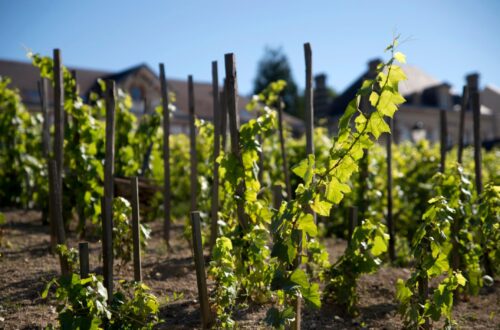
When Ferruccio Lamborghini planted Merlot and Cabernet Sauvignon in Umbria during the 1970s, it wasn’t just a stylistic preference it was a direct defiance of rigid Italian winemaking traditions.

In post-war Italy, wine production was governed by strict, old-school DOC laws. If you wanted your wine to be respected, you planted native grapes like Sangiovese. French grapes from Bordeaux were viewed as foreign intrusions. Planting them meant your wine was legally stripped of its quality status and downgraded to Vino da Tavola (Table Wine) the lowest legal classification.

Ferruccio didn’t care about the traditional rulebook. He saw a technical opportunity in the soil, effectively launching Umbria’s version of the “Super Tuscan” movement.
The Technical Breakdown: Why These Grapes?
Native Sangiovese is notoriously temperamental. It has thin skins, high acidity, and sharp, aggressive tannins that can take a decade to smooth out. Ferruccio brought in French varietals to engineer a more reliable, structurally complete, and balanced profile.
Grape | Soil & Terroir Interaction | Structural Role in the Blend | Key Chemical & Flavor Profile |
|---|---|---|---|
Sangiovese (Native) | Thrives in well-drained limestone. Struggles in heavy clay. | High acidity and a bright, skeletal structure. | Sour cherry, oregano, high astringency. |
Merlot (Unconventional) | Excels in the moisture-retaining clay of Lake Trasimeno. | Mid-palate “fleshiness” and soft, velvety tannins. | Black plum, cocoa, rounded mouthfeel. |
Cabernet Sauvignon (Unconventional) | Needs intense heat to burn off green pyrazines. | Backbone, deep color, and long-term aging stability. | Blackcurrant, graphite, high antioxidants. |
Engineering the Perfect Blend: The Campoleone Formula
The winery’s flagship bottle, Campoleone, is the ultimate execution of this unconventional strategy. Today, it completely drops Sangiovese from the top billing, utilizing a 50% Merlot and 50% Sangiovese split (or leaning heavily into Merlot depending on the vintage).


Here is how those two specific profiles interlock mechanically:
- The Softening Agent: Merlot ripens early and carries thick, fleshy fruit pulp. When blended with the high-acid, high-tannin Sangiovese, it acts as a technical buffer, smoothing out the sharp edges and making the wine plush and approachable much earlier in its life cycle.
- The Lake Trasimeno Climate Advantage: French reds grown in hot climates often get “flabby” they lose their acidity and taste flat. But the estate’s proximity to Lake Trasimeno creates a distinct microclimate. The lake absorbs heat during the day and releases cool thermal winds at night. This cooling effect locks in the natural acidity of the Merlot and Cabernet, giving them a crisp, structured European finish rather than a jammy, over-sweet New World profile.
By ignoring regional gatekeepers and treating his vineyard like an R&D lab, Ferruccio proved that Umbria’s clay could produce muscular, deep-ink reds capable of competing directly with Bordeaux and Napa.