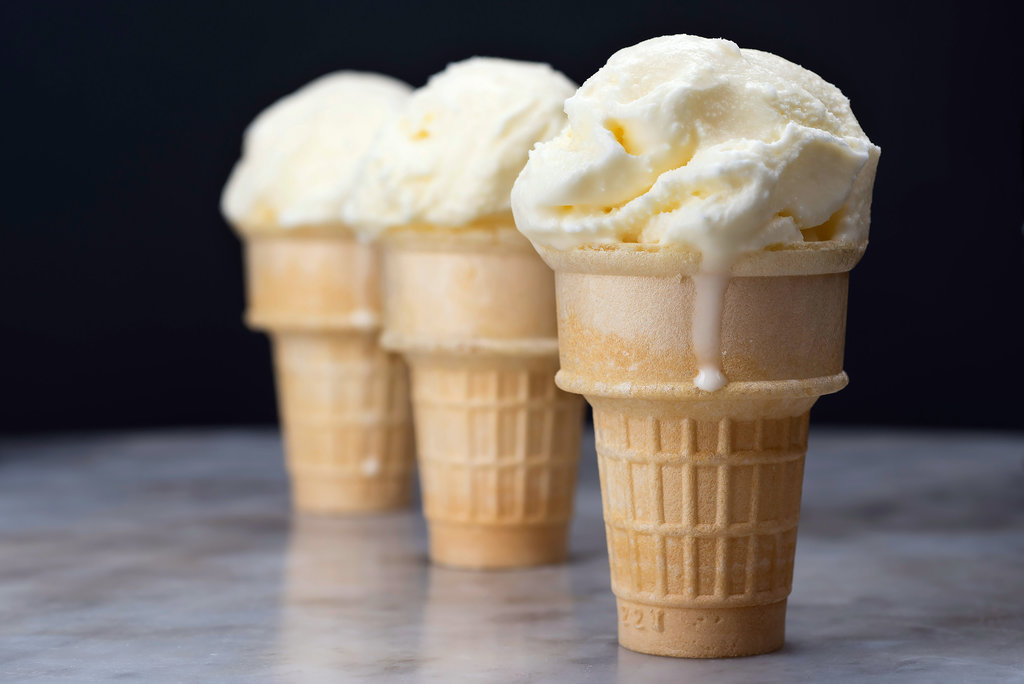
Frozen desserts are governed by structural chemistry. At its core, ice cream is an emulsion of fat and water, sweetened by sugar and suspended with air. How those components are balanced, heated, and churned completely alters the structural blueprint of the final scoop.
1. The Global Mechanics: Core Methods & Mixtures
Before diving into regional traditions, frozen desserts generally fall into three master mixture methods based on their base architecture:

- The Custard Base (French/Egg-Based): The dairy is heated with sugar and heavily emulsified with egg yolks. The proteins in the yolks coagulate during cooking, creating a thick, rich network that traps water molecules and prevents large ice crystals from forming.
Sweet Sundays by Half Batch Baking – Substack
- The Philadelphia Base (Eggless/American): A pure mix of cream, milk, and sugar with zero eggs. It relies strictly on the natural fat content of the cream to provide structure. It is lighter on the palate, freezing firmer and melting cleaner than custard.

- The Water Base (Sorbet/Sherbet): A mixture of fruit purée or juice, water, and sugar. Sorbets contain zero dairy, while Sherbets add a touch of milk (around 1–2% fat) to slightly soften the icy bite.

2. Italy: The Mastery of Density (Gelato)
Italian gelato is a triumph of flavor purity, engineered to feel incredibly creamy despite having significantly less fat than Western ice cream.


The Mixture Balance
Gelato flips the classic ice cream ratio on its head, favoring a heavily milk-dominant mixture over heavy cream.
- Fat content: Typically sits between 4–8% (compared to 10–18% in standard premium ice creams).
Joe Delucci
- Egg usage: Varies by region. Northern Italian styles utilize a light custard base, while Southern Italian styles (like Sicilian gelato) are entirely eggless, traditionally using starch (like cornstarch or carob gum) to bind the water.
The Technique
- Low Overrun (Slow Churning): Overrun refers to the amount of air pumped into the mixture during churning. While standard commercial ice cream can be up to 50–100% air, gelato machines churn at a very slow speed, incorporating only 20–25% air. This creates an incredibly dense, silk-like consistency.
Joe Delucci+ 1
- The Spade and the Warm Scoop: Gelato is not scooped with a traditional round trigger bowl; it is worked and served with a flat, paddle-like spade. More importantly, it is stored and served at a warmer temperature—around -10°C (14°F) compared to the standard ice cream temperature of -18°C (0°F). Because it is less frozen, the fat doesn’t coat your tongue, allowing intense regional flavors like Sicilian Bronte pistachio or hazelnut to hit your tastebuds instantly.
3. Paris: The Opulence of the Royal Custard (Crème Glacée)
Parisian ice cream (Crème Glacée) is unapologetically rich, leaning into the classical, royal heritage of French pastry arts. If Italy is about fresh lightness, Paris is about sumptuous indulgence.
The Mixture Balance
French ice cream is built on a strict Crème Anglaise (classic English cream custard) foundation.

- The Formula: It features a high proportion of heavy cream to milk and a mandatory, heavy introduction of egg yolks (by culinary law, it must contain at least 1.4% egg yolk solids to bear the name). This drives the butterfat content up to a hefty 10–16%.
The Technique
- The Ribbon Stage & The Spoon Test: The technique requires high culinary discipline. The egg yolks and sugar are whisked to the “ribbon stage” (pale and thick) before hot milk and cream are slowly tempered into the eggs. The custard is then cooked carefully until it hits precisely 82°C to 85°C. Chefs look for it to coat the back of a wooden spoon cleanly—a test called napper.
- High Churning & The Quenelle: Unlike gelato, French ice cream is churned faster, allowing a moderate amount of air to balance the dense fat content. It is frozen solid and traditionally served using two warm spoons to shape the ice cream into a flawless, elegant oval football shape known as a quenelle.
4. Sweden: The Cleanliness of the North (Glass)
In Sweden, ice cream is simply called Glass (pronounced glass). Swedes are among the highest consumers of ice cream per capita in Europe, and their native styles reflect a fascinating bridge between raw simplicity and unique Nordic forage cultures.
The Mixture Balance
Traditional Swedish vaniljglass balances the line between the French and American schools, using a highly practical, clean base.
- The Raw Whisk Method: While high-end Swedish parlors utilize a cooked custard, a massive tradition in Swedish home and artisanal cooking relies on a cold-whisked egg base (popularized heavily in Nordic home kitchens). Instead of cooking a complex custard over a stove, raw egg yolks and cane sugar are whisked until white and incredibly fluffy, and then fresh, cold Swedish cream (which has a naturally high fat profile) and milk are folded directly in before entering the machine.
Swedish food
The Technique
- No-Faff Soft Texture: Because the cream and milk are added completely cold without being boiled, the natural, sweet freshness of the dairy is highly preserved. The resulting ice cream freezes with a wonderfully soft, easy-scoop texture.
- The Foraged Profile: Swedish technique relies less on complex pastry manipulation and more on adapting the base to handle the high water content of acidic, wild Nordic berries and unique botanicals.
The Structural Comparison
| Attribute | Italy (Gelato) | Paris (Crème Glacée) | Sweden (Glass) |
|---|---|---|---|
| Primary Base | Milk-Dominant | Cream & Heavy Egg Custard | Balanced Cream/Milk (Often Cold-Whisked) |
| Fat Content | Low (4–8%) | High (10–16%) | Medium-High (10–12%) |
| Air (Overrun) | Very Low (20–25%) | Medium (30–40%) | Medium (30–45%) |
| Serving Temp | Warm (-10°C / 14°F) | Cold (-18°C / 0°F) | Cold (-15°C / 5°F) |
| Iconic Flavors | Bronte Pistachio, Stracciatella | Vanilla Bean, Grand Cru Chocolate | Saltlakrits (Salty Licorice), Hjortron (Wild Cloudberry), Cardamom |
The “Pinkies Down” Culinary Takeaway: Ice cream isn’t just a sweet treat; it’s an exercise in temperature and fat manipulation. Italy reduces the fat and air to let pure ingredients punch through. Paris loads up on cream and egg yolks to deliver luxury texture. Sweden keeps the dairy raw and cold to showcase the clean, bright flavors of the Scandinavian landscape.