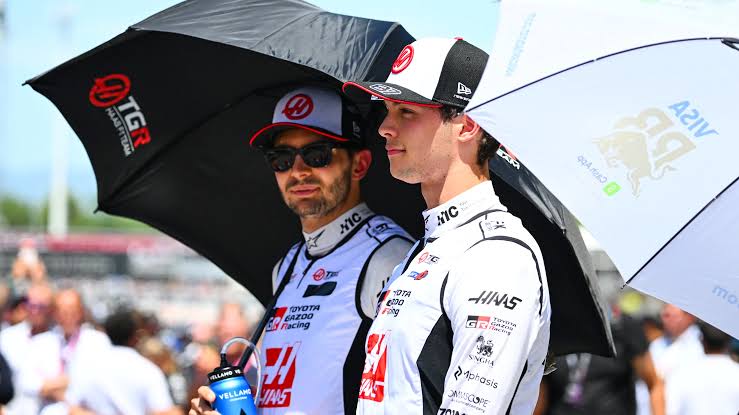
The MoneyGram Haas F1 Team entered the 2026 season with high expectations after pairing veteran race-winner Esteban Ocon with Ferrari Academy sensation Oliver Bearman. However, rather than mounting a united assault on the midfield standings, the first half of the year has been defined by internal frustration and erratic performance variance. While both drivers possess unquestionable raw pace, lingering car inconsistency and operational friction have repeatedly compromised their weekends.
The points gap between the two garages tells a stark story. Bearman currently leads the team’s internal battle with eighteen points, bolstered by standout performances early in the year. The young Brit secured points in Australia and delivered a career-best fifth-place finish at the Chinese Grand Prix after navigating complex safety car restarts and overtakes. Ocon, meanwhile, has endured a grueling string of setbacks, managing just three points. His season highlight came via a strategic stroke of genius in Monaco, where an aggressive undercut lifted him into the top ten, but he has otherwise struggled with fluctuating vehicle dynamics.
The core issue troubling Haas has been a frustrating lack of consistency from the VF-26 chassis. Both drivers have publicly noted that the car often feels drastically different from one practice session to the next. Team Principal Ayao Komatsu revealed that severe parts inconsistencies have frequently forced the squad to swap components between cars during race weekends. Bearman’s setup was heavily compromised by poor part balance during practice in Barcelona, while Ocon faced similar technical disadvantages in Austria and Hungary, leaving both drivers fighting mechanical gremlins rather than their rivals.
Beyond component issues, on-track execution has repeatedly slipped away during crucial moments. In Melbourne, the duo qualified solidly in Q3 but lost positions to early strategy squabbles, while high-speed close-racing incidents—such as Bearman’s 50G practice crash in Japan—highlighted the steep learning curve required under the 2026 active-aerodynamics regulations. Unusually slow pit stops and ill-timed tire management during dry-to-wet transition windows further eroded potential points-paying positions in Spain and Canada.
Despite the mid-season slump, a second-half resurgence remains entirely achievable if Haas can streamline its operations. The team currently sits seventh in the Constructors’ Championship with 21 points, holding a baseline package that has proven capable of top-ten speed when properly optimized. With Ferrari rolling out hybrid power unit upgrades and Haas introducing a refined high-downforce aerodynamic floor at Zandvoort, the mechanical foundation for progress is present. The true key to their second-half success lies in eliminating part discrepancies across garages and establishing clear intra-team discipline so Ocon and Bearman can direct their competitive energy toward chasing down the midfield.