The global motorsport landscape is vast, intricate, and fast. At the absolute center of this universe sits the Fédération Internationale de l’Automobile (FIA). As the governing body for world motorsport, the FIA oversees everything from the high-glitz circus of Formula 1 and the endurance trials of WEC to the brutal, dust-choked stages of the World Rally Championship (WRC).
Yet, for all the billions of dollars flowing through manufacturer teams, the entire global structure relies heavily on an army of unsung heroes: the volunteers. From local marshals standing in freezing rain on a Welsh rally stage to medical coordinators, scrutineers, and timekeepers, the volunteer side of the FIA is the lifeblood that allows global competition to exist. Without them, the lights don’t turn green.
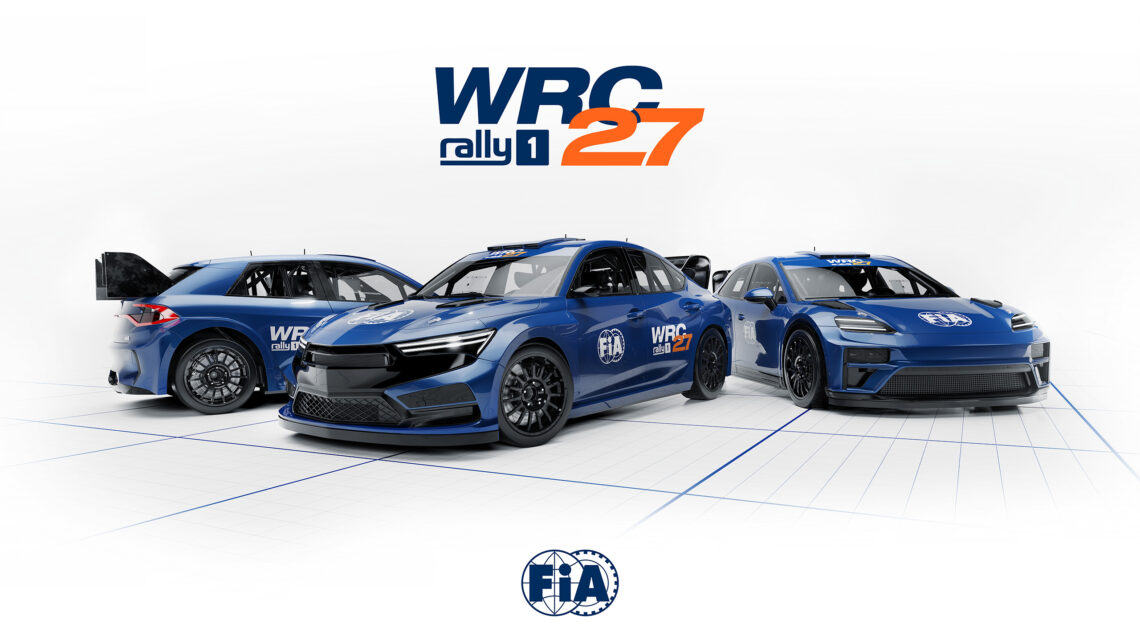
But while volunteers hold the frontline together, the FIA’s administrative offices have just initiated one of the most radical shakeups in modern racing history: the WRC 2027 Constructor Championship.
The Shift to the “Constructor” Era
For the last decade, top-tier rallying was a playground exclusive to multi-billion-dollar factory automotive giants. If you didn’t have a massive global assembly line to source a production vehicle shell from, you couldn’t play.
The 2027 regulations smash that barrier by dropping the strict “Manufacturer” label in favor of a unified “Constructor” status. Under these rules, responsibility for designing, building, and homologating (certifying) a car can belong to anyone—factory giants and independent tuning houses now compete under the exact same classification.
The strategy is built entirely on a hard cost cap: a ready-to-race car is capped at €345,000 (more than a 50% drop compared to the outgoing, hyper-expensive hybrid era).
   [ Old Factory Model ]                     [ New Constructor Era ]
  Bespoke Production Shell                 Common Tubular Spaceframe
            VS                                        VS
  Hyper-Complex Hybrid (€1M+)               Controlled Rally2 Engine (€345k)
The Next Generation: Who is Hitting the Field?
With early prototyping and testing already underway, a wild new breed of machinery is taking shape. The paddock is keeping a very close eye on three distinct builds currently being prepped for the upcoming field:
1. The RMC Motorsport & RFEDA Spaceframe
In a historic first, the Spanish Sports Council (CSD) and the Spanish ASN (RFEDA) have partnered with renowned independent tuner RMC Motorsport to build a ground-up 2027 challenger. Drawing on their extensive history of building N5-spec rally cars, RMC is utilizing a chassis co-designed with FDC in Argentina.

- The Baseline: A completely bespoke body silhouette wrapped tightly around the new mandatory safety cell, with a physical rollout slated for October.
2. Project Rally One (Belgium)

Hailing from Belgium’s elite tuning ecosystem, this highly specialized independent firm quietly became the first privateer outfit to officially commit to a ground-up 2027 build. They are bypassing the current regulations entirely to focus 100% of their R&D on mastering the common spaceframe architecture before the factory teams can monopolize the data.
3. Toyota’s Mystery WRC27 Prototype


Toyota Gazoo Racing isn’t conceding an inch to the privateers. They have already been spotted testing a heavily camouflaged prototype mule in Europe. Producing a distinct, raw three-cylinder exhaust note, Toyota’s early testing proves that factory teams are treating the 2027 transition with lethal seriousness, aiming to perfect engine-chassis integration before the regulations officially lock in.
Technical Breakdown: Out with the Old, In with the Bold
| Technical Attribute | Outgoing Generation (Current Car) | Upcoming Generation (Next Year’s Field) |
| Chassis Basis | Production-derived modified shell | Common Tubular Spaceframe (Reference Volume) |
| Powertrain | 1.6L Turbo + Complex 100kW Hybrid System | Pure 1.6L Turbo ICE (Sustainably Fuelled) |
| Power Output | ~500 hp (with hybrid boost) | ~290 to 300 hp |
| Suspension | Bespoke, exotic-material geometry | Standardized Double Wishbone (Rally2-derived) |
| Bodywork Freedom | Strictly tied to road-going dimensions | Flexible Silhouette (Hatch, Sedan, or Crossover) |
What Makes Them Different?
The defining engineering shift is the abolition of the hybrid unit and the introduction of the “Reference Volume.”
Instead of stretching a production road car to fit racing dimensions, teams are given a dimensional box (4100mm to 4300mm length). Within that space, they can mount almost any body shape they want including crossovers and smaller SUVs onto a standardized safety cell.


Exotic, ultra-expensive materials like high-grade carbon fiber are heavily restricted. Suspension, braking, and steering systems are largely carried over from the incredibly reliable, highly accessible Rally2 category.
Paddock Verdict: How the Insiders See It
The reception within the service park is a mix of purist nostalgia and engineering pragmatism.
The Performance Drop: Drivers and hardcore fans are openly preparing for a performance dip. Losing the instant 100kW electric punch of the hybrid units means these cars will inherently feel less explosive out of slow corners. Top speeds will remain high, but the violent, physics-defying acceleration of the last four years is gone.
However, team bosses and engineers are viewing the changes as a massive net positive. Veteran team principals argue that the slightly reduced power and simplified aerodynamics will result in cars that are much more playful, loose, and visual on the stages requiring drivers to actively “muscle” the car around.
More importantly, the consensus among insiders is that this reset rescues a dying championship. By lowering the financial barrier, the FIA is successfully shifting the sport away from a closed-door corporate chess match and back to what made it legendary: raw, unpretentious, high-performance engineering that independent builders can actually afford to race.