The trajectory of Aston Martin’s campaign has been a gritty exercise in trial by fire. From the early-season heartbreaks—marred by severe mechanical failures, baseline instability, and outright DNFs—the Silverstone squad has dragged itself toward competitiveness.
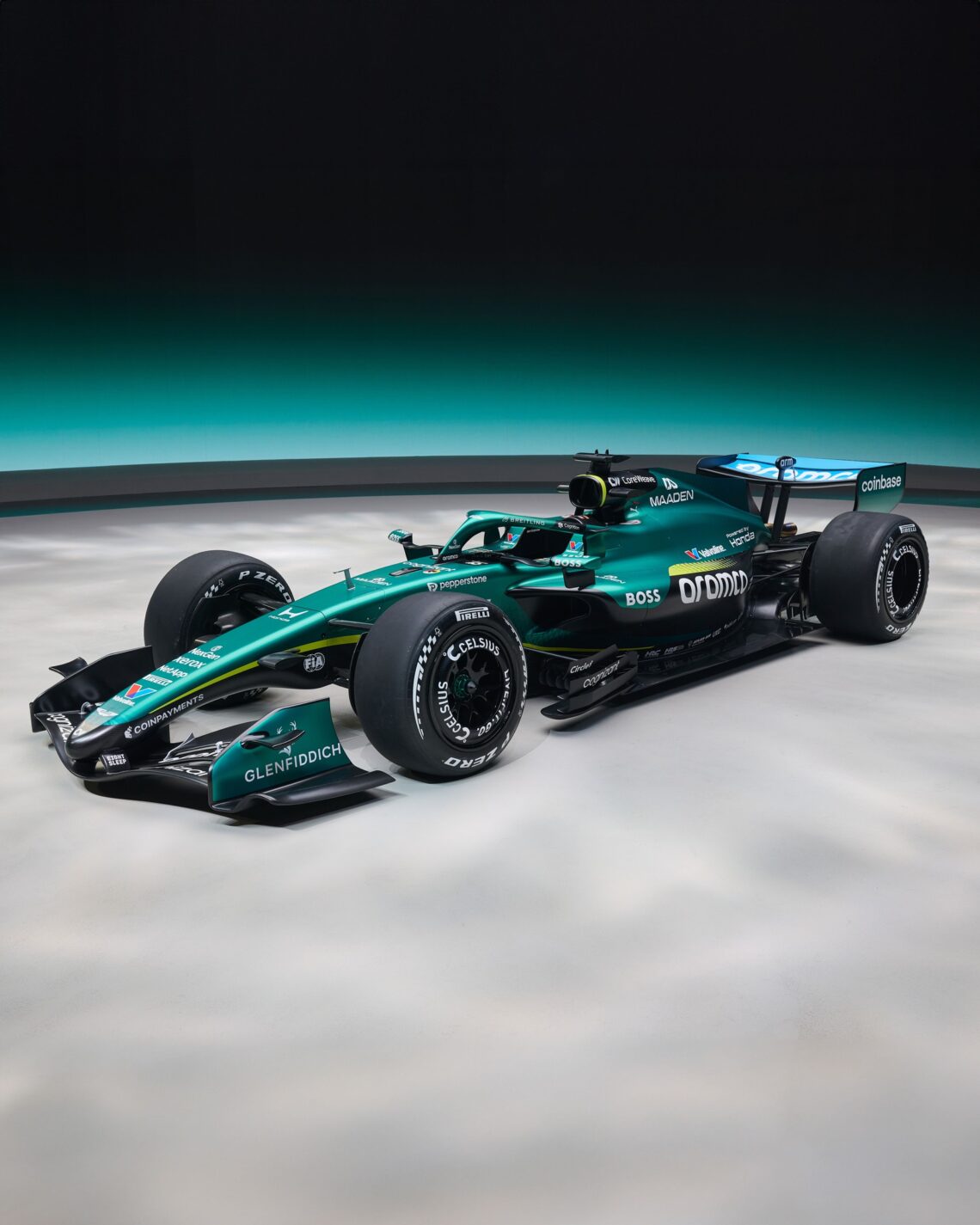
The introduction of Adrian Newey’s extensive 18-part upgrade package transformed the baseline chassis into the refined AMR26-B. It delivered immediate visual and structural leaps, significantly taming corner-entry balance and restoring driver confidence behind the wheel. Yet, unlocking true pace in modern Formula 1 requires a synchronized dance between aero and propulsion.
Enter Zandvoort. The seaside circuit was designated as the proving ground for the second piece of the puzzle: Honda’s Spec 2 power unit upgrade, engineered to mesh seamlessly with Newey’s packaging. However, theory and track reality clashed almost immediately during the high-pressure condensed environment of a Sprint weekend.

While initial practice showed promise, Sprint qualifying unraveled in frustrating fashion for Fernando Alonso. A combination of electronic glitches and power unit calibration errors compromised the double World Champion’s flying laps, leaving him struggling to manipulate the car into heavy braking zones. Speaking to PlanetF1.com and accredited media in Zandvoort, Alonso laid out the precise mechanical friction inside the cockpit:
“Free practice was more or less okay, but in qualifying, we had problems on the engine drivability. It was pushing under braking, so it was difficult to stop the car sometimes because the engine was over-delivering.
And then apparently, the SLM [straight line mode] didn’t work for me, so I could not open the rear wing. A combination of both made the laps very tricky. When you brake, and the throttle is open, it’s difficult to stop the car.”
The telemetry underscored the headache: with the active rear wing failing to engage into Straight Line Mode, drag skyrocketed, while the lingering throttle deployment into Turn 1 compromised vehicle stability.
To make matters harder, the Sprint format leaves teams virtually no runway to troubleshoot complex control software on the fly.
“As I said, free practice felt okay, and I felt a step forward. It’s still very early days and [the PU] is probably a bit immature with all of the controls.
It’s a Sprint weekend – on a normal weekend, we have three practice sessions to nail the package. Obviously, on a Sprint, we need to deal with the situation in qualifying session and in the Sprint race. We will try to understand a few things.”
Rather than treat the Sprint as a lost cause, Aston Martin opted for tactical intervention. The team confirmed overnight setup changes to rectify the active aero glitches and recalibrate the Honda unit’s throttle mapping. Consequently, Alonso will start the Sprint race from the pit lane—a pragmatic sacrifice to transform the short race into a live testing laboratory for Sunday’s main event.
The AMR26-B has the bones of a contender. Now, the task falls on Aston Martin and Honda to tame the software powering it.