The 2026 Barcelona Grand Prix was a brutal reminder that under the current technical regulations, an F1 car is less of a cohesive racing machine and more of a highly volatile science experiment.
The DNFs we saw at the Circuit de Barcelona-Catalunya weren’t just standard mechanical retirements they highlighted a massive, terrifying gap between what the engineers on the pit wall are seeing on their telemetry and what the drivers are actually experiencing behind the wheel. When you look closely at the radio transcripts from that Sunday, it becomes clear that teams are fighting a desperate war against their own hardware.
Nico Hülkenberg: The Freak “Gravel Kill Switch”
Before diving into the complex electrical and thermal issues at the front of the grid, we have to look at the sheer, bizarre danger Nico Hülkenberg was dealing with in the Audi.
Early on, Hülkenberg was frantically reporting severe braking inconsistencies, citing over the radio that the car felt highly unpredictable and “dangerous” through Barcelona’s high-speed sectors. But his actual DNF was straight out of a freak-accident movie.
[Lawson Runs Wide at Turn 12] ➔ [Gravel Kicked into Air] ➔ [Single Stone Strikes Audi Roll Hoop] ➔ [Emergency Kill Cord Pulled]
Liam Lawson ran wide in the Racing Bulls at the exit of Turn 12, throwing a heavy spray of gravel across the asphalt. Hülkenberg, following closely behind, took a direct hit. A single stone pierced the Audi’s nosecone, shattered his wing mirror, and miraculously struck the exact emergency pull-cord located on the left side of the roll hoop. It instantly activated the car’s medical kill switch, completely shutting down the power unit and leaving a bewildered Hülkenberg to coast a “dead” car into the pit lane.
Kimi Antonelli: The Pit Wall’s Desperate Muzzle
The most revealing audio of the entire weekend came from the Mercedes garage. While the public narrative focused on Kimi Antonelli’s fierce wheel-to-wheel scrap with George Russell and his subsequent 5-second penalty, the internal radio traffic painted a picture of absolute panic on the pit wall.
As Antonelli hunted down Russell and set his sights on Ferrari’s Lewis Hamilton, his race engineer repeatedly intervened with increasingly urgent commands to slow down. The crew wasn’t trying to manage a gap; they were trying to prevent a total electrical meltdown.

Antonelli, operating with the unyielding “Egotist” mindset of a driver who smells a win, pushed right through those warnings, eventually executing a brilliant pass on Russell into Turn 1.
But the engineers knew the math. The 2026 hybrid power units require a delicate, continuous balance of thermal management between the internal combustion engine and the hybrid battery architecture. By ignoring the commands to back off, the sheer energy demand overloaded the system. Just moments after taking second place, Antonelli’s car suffered a catastrophic electrical shutdown at the apex of Turn 5, proving that the pit wall’s desperate pleas to “slow down” were a calculated attempt to keep a fragile engine alive.
Fernando Alonso: A Measured, Precautionary Exit
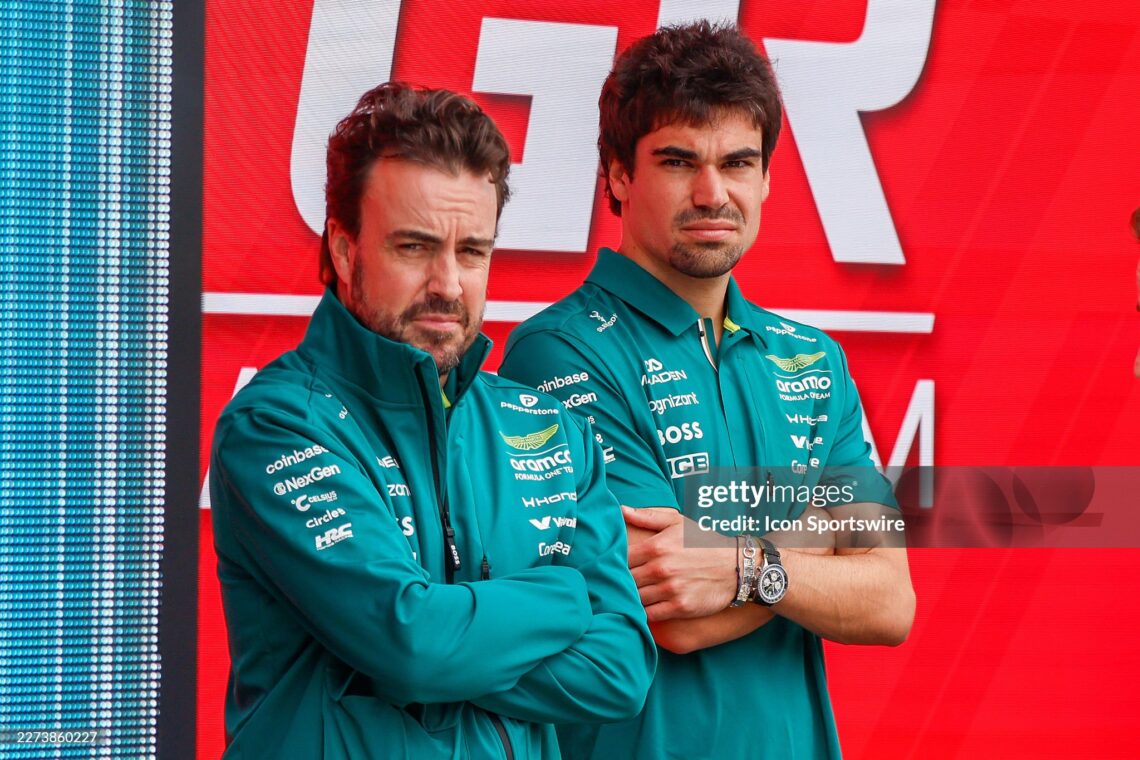
While the Mercedes radio transmission was a frantic negotiation against overheating, Aston Martin handled their own technical setback. When Fernando Alonso’s AMR26 began showing alarming readings regarding its power unit and battery recovery health, the pit wall didn’t panic or gamble with the car’s longevity.

Instead, they issued a firm, highly controlled instruction to pull the car over immediately not out of an explosive emergency, but as a calculated measure to preserve the expensive internal components from irreversible internal damage.
The exchange was remarkably calm and deliberate. There was no hesitation or frantic back-and-forth; it was simply a textbook mechanical shutdown designed to protect the hardware for future race weekends.
Battery vs. Engine: The 2026 Conundrum
What Barcelona proved is that F1 has entered an era where raw pace is actively penalized by the reliability of the machinery. Whether it is Mercedes overheating their electrical grid trying to match Ferrari’s upgrades, or Aston Martin managing strict thermal limits on their power units, the cars are living on a knife-edge.
If a team cannot build a machine robust enough to allow its drivers to push “balls to the wall” without the engine self-destructing, then they haven’t built a championship-grade car. Right now, the pit crews are acting as governors, trying to muzzle the natural instincts of their drivers just to ensure the car survives to see a checkered flag.