The Lifestyle

From Victorian Paperbacks to Immortal Royalty: The Evolution of Dracula

Few figures in fiction possess the enduring power, cultural footprint, and terrifying elegance of Count Dracula. He is not merely a monster of Gothic horror; he is the undisputed patriarch of modern pop culture’s vampire obsession. Long before leather-clad antiheroes, centuries-old family feuds, and teen angst took over television, Dracula set the blueprint for how we understand the undead: seductive, ancient, ruthless, and impossible to destroy.

To understand how a single character transformed into a global phenomenon, we have to travel back to where it all began—on fragile paper, printed over a century ago.

The Birth of an Icon: Bram Stoker’s 1901 Constable Edition

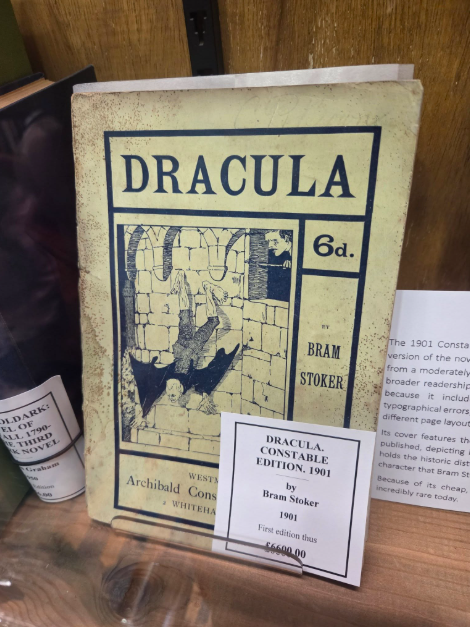
When Bram Stoker first published Dracula in 1897 in a simple yellow cloth casing, it received moderate acclaim. However, the turning point for the novel’s mass accessibility occurred in 1901, when Archibald Constable and Company released the first abridged paperback edition—sold for just sixpence (6d).

Stoker personally edited this 1901 version, trimming roughly 15% of the original text to tighten the pacing and amplify the story’s high-stakes action for a broader, budget-conscious audience.

What makes the 1901 edition so historically precious today—fetching prices of £6,600 and beyond among rare book collectors—is its cover art. It marks the very first time Dracula was visually illustrated in print. The image shows the Count creeping down the sheer stone facade of Castle Dracula like a human lizard, his cloak billowing into massive bat wings while a bewildered Jonathan Harker looks out from an upper window. It captured the uncanny, unnatural dread that defined Stoker’s prose.

The Nightmare Outlined: How the Original Tale Unfolds

Stoker’s masterpiece is told entirely through an epistolary format—a mosaic of diary entries, telegrams, letters, and newspaper clippings.

The story opens with Jonathan Harker, a young English solicitor traveling to the Carpathian Mountains of Transylvania to assist Count Dracula with real estate acquisitions in London. Harker quickly realizes he is not a guest, but a prisoner. He witnesses the Count performing supernatural, wall-crawling feats and barely escapes with his life after discovering Dracula’s true bloodthirsty nature.

Dracula boards a doomed ship, the Demeter, carrying boxes of his native soil to England. Upon his arrival, a plague of darkness sweeps over London:

  • Lucy Westenra falls victim first, slowly drained of her blood until she dies and rises as a “Bloofer Lady” preying on children.
  • Mina Harker, Jonathan’s fiancée, becomes Dracula’s primary target as the Count seeks to claim her soul.
  • Professor Abraham Van Helsing steps into the fray, bringing ancient folklore, crucifixes, garlic, and wooden stakes to wage a desperate holy war.

The novel culminates in a high-speed chase across Europe back to Transylvania, where Van Helsing, Jonathan, and their allies ambush Dracula’s convoy just as the sun sets, thrusting a bowie knife through his heart and slashing his throat to turn the monster to dust.

Gory Evolution: How Dracula Birthed the Modern Vampire Era

Stoker’s blueprint spawned generations of cinematic and television reimaginings. As the decades progressed, filmmakers stripped away the Victorian reserve and leaned heavily into the visceral, blood-soaked, and action-heavy possibilities of the vampire mythos.

The Action-Packed & Bloody Offshoots

  • Van Helsing (2004): A direct love letter to classic Universal Monsters, where Richard Roxburgh’s theatrical Dracula uses werewolf curses, brides, and steampunk technology to breed millions of monstrous offspring.
  • Underworld (2003): Replaced wooden stakes with silver-bullet assault rifles and leather trench coats, framing vampires in a sleek, brutal war against Lycans led by ancient elders like Viktor and Marcus.
  • Buffy the Vampire Slayer (1997–2003): Modernized the folklore into subtext for teenage survival, giving us blood-curdling demon-faced vampires while keeping the core Van Helsing ethos of a designated “Slayer.”
  • True Blood (2008–2014): Brought southern gothic gore, synthetic blood (“V”), and uninhibited, raw violence to modern-day Louisiana, turning vampire politics into a hyper-sexualized, blood-soaked spectacle.

The Ultimate Must-Watch: Transitioning from ‘The Vampire Diaries’ to ‘The Originals’

While movie thrillers brought the action, modern television perfected the grand, tragic drama of immortal family lines. If you want to see the modern peak of vampire storytelling, you need to dive into the universe of The CW’s The Vampire Diaries and its masterclass spin-off, The Originals.

The Game-Changing Entrance: Elijah Mikaelson

For the first two seasons of The Vampire Diaries, vampires were dangerous—but they were still manageable. That all changed in Season 2, Episode 8 (“Klaus”), when a quiet, impeccably dressed man in a tailored suit walked into the frame: Elijah Mikaelson (played brilliantly by Daniel Gillies).

Elijah redefined the stakes. He didn’t need to snarl or transform; he casually ripped off a vampire’s head with his bare hand while calmly adjusting his cuffs. Through Elijah, viewers learned of the Originals—the very first family of vampires created over a thousand years ago, long before modern rules existed.

Why ‘The Originals’ is a Masterpiece

While The Vampire Diaries excelled as a high-school love triangle drama, The Originals steps away from teenage romance to deliver a dark, Shakespearean crime-and-family epic set in the gothic streets of New Orleans.

Led by the chaotic, paranoid genius of Klaus Mikaelson (Joseph Morgan) and the noble balance of Elijah, The Originals explores the terrifying burden of immortality, blood covenants, and the oath of “Always and Forever.” It is gory, beautifully written, and stands as a true heir to the dark, aristocratic aura Bram Stoker first put on paper back in 1901.

If you haven’t watched it yet, start with Elijah’s entrance in The Vampire Diaries—and brace yourself for one of the finest supernatural series ever put on television.

Leave a Reply

Your email address will not be published. Required fields are marked *