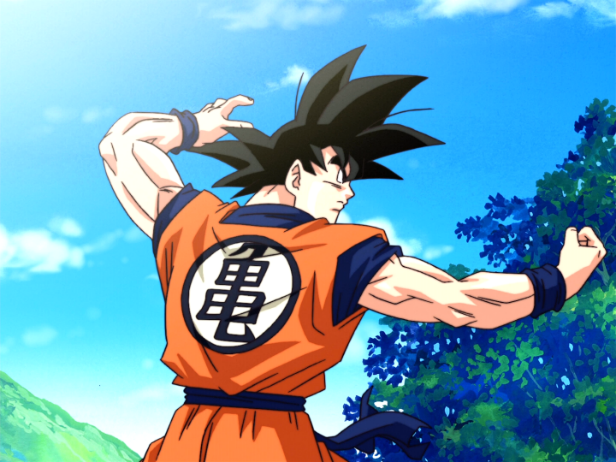
For those of us who grew up tuning in during the Dragon Ball Z (or DBZ Kai) era, the thought of the franchise without Kakarot feels almost sacrilegious. We are talking about the man who spent two solid episodes powering up on Namek, screaming until his hair turned gold and defined a generation’s understanding of anime. Goku and Vegeta aren’t just characters—they are the pillar holding up the entire Dragon Ball mythos.

So when whispers and internet rumors circulate about Toei or Shueisha considering a shift away from Goku for the next era of Dragon Ball, it naturally triggers a mix of dread, skepticism, and genuine curiosity. Could the franchise really move on? And if it did, what would that look like?
The Fear of the Unknown: Can Dragon Ball Work Without Its Anchors?
The hesitation to write Goku out is understandable. Akira Toriyama himself famously tried to pass the torch to Gohan during the Cell Saga, only to realize that Gohan’s peace-loving nature didn’t naturally drive the story forward the way Goku’s insatiable thirst for self-improvement did.
Removing Goku and Vegeta leaves a massive power and narrative vacuum:
- What happens to Whis and Beerus? The God of Destruction and his Angel mentor exist in the story almost entirely as benchmarks for Goku and Vegeta’s divine training. Without the Saiyan duo pushing into Ultra Instinct and Ultra Ego, do the Gods fade back into their cosmic slumber, or do they find new pupils?
- Where do the elder masters land? Master Roshi and the Grand Kai have always functioned as anchors to the past. If the story shifts generations or focus, their role likely evolves from active guardians to legendary folklore figures.
How Could the Story Explain Kakarot’s Absence?
If the writers ever chose to sideline Goku rather than outright replace him, the lore already built into Dragon Ball Super offers plenty of narrative exits:

1. The Divine Promotion or Multiversal Training
Goku doesn’t need to die or disappear permanently. With 12 Universes to explore, Goku and Vegeta could easily be recruited by Whis and the Grand Minister for a long-term cosmic mission—defending the multiverse at a scale far above Earth or Universe 7. They aren’t dead; they’ve simply ascended beyond everyday mortal affairs.
2. A Time Jump to the Next Generation
A clean break could focus on a brand-new timeline or a significant jump into the future. Following characters like Goten, Trunks, Pan, or even Uub allows the world to breathe. Goku becomes the legendary, mythical figure—the “Grandmaster” lurking in the background—much like Master Roshi was in the original Dragon Ball.
3. Broadening the Horizon Beyond Saiyans

Shifting focus allows other characters and realms to shine. Exploring the Universe 6 Saiyans (Cabba, Caulifla, Kale), diving deeper into the Galactic Patrol, or focusing on Piccolo and Gohan’s Earth-bound duties gives the franchise room to experiment with different genres—leaning heavier into adventure, magic, or martial arts tournaments rather than just endless god-tier power escalations.
Embrace the Unease: Why Change Might Not Be a Bad Thing
It is completely natural to look at the idea of a Goku-less Dragon Ball with unease. After decades of watching the same Saiyan save the universe, his absence would feel like watching a completely different show.
Yet, as scary as the prospect is, it’s also undeniably thrilling. If Dragon Ball is going to survive for another 30 years, it cannot rely solely on nostalgic fan service. Giving Goku a dignified victory lap while allowing new stories, new stakes, and new heroes to step into the light might be the exact shot of adrenaline the franchise needs to stay immortal.