The Lifestyle

The Class of 2026: BMW M Racing Academy Ignites Global Talent Search

The Next Generation of M: Inside the BMW M Racing Academy Kickoff

While the Formula 1 paddock is consumed by the 2026 engine transition, BMW M Motorsport is quietly refining the most critical component of racing technology: the driver. The “Class of 2026” comprising Josh Green (USA), Thomi Rackl (GER), and Ryder Quinn (AUS) has officially begun an intensive development year designed to bridge the gap between GT4 talent and professional factory stardom.

The Viareggio Protocol: Mental and Physical Architecture

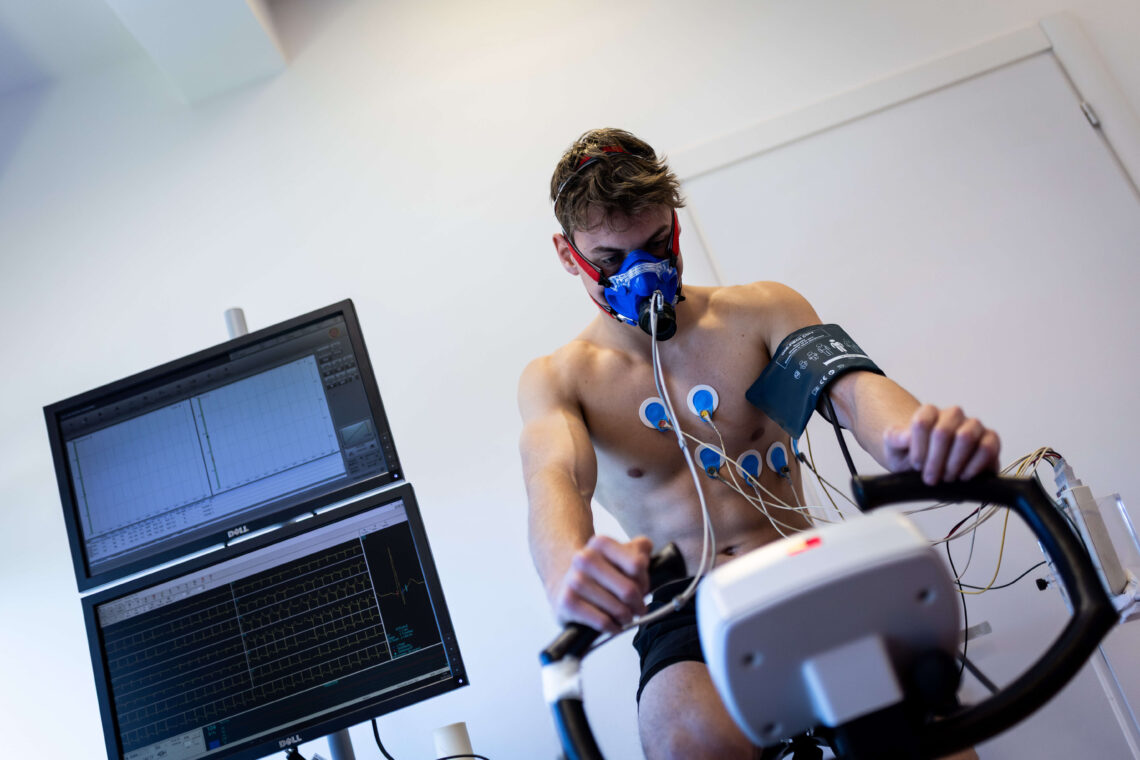
The journey began in Tuscany at the world-renowned Formula Medicine facility. Under the watchful eyes of Dr. Riccardo Ceccarelli and BMW works drivers Jens Klingmann and Robby Foley, the trio underwent a battery of cognitive and physical tests. In the world of modern GT and Prototype racing, raw speed is a given; the Academy instead focuses on the “Mental Economy”—the ability to maintain peak focus while minimizing brain energy expenditure.

From Simulator to Heritage

Returning to Munich, the academy shifted from the biological to the mechanical. The recruits were granted a “strictly business” session in the BMW M Motorsport simulator, configured to the formidable BMW M Hybrid V8. Supported by factory engineers, the drivers worked through the grueling feedback loops required in top-tier endurance racing.

The week concluded with a deep dive into the BMW Group Classic archives, ensuring that the “Class of 2026” understands the weight of the badge they represent before they head to their respective global series:

  • Josh Green: GT4 America
  • Thomi Rackl: GT4 European Series
  • Ryder Quinn: GT4 Australia

Analysis: Is BMW Preparing for an F1 Entry?

The question looming over every BMW M Motorsport announcement in 2026 is whether these developmental steps are breadcrumbs leading back to Formula 1.

The Case for a New Contender

  • The Power Unit Alignment: The 2026 F1 regulations—focusing on a 50/50 split between internal combustion and electrical power—align perfectly with BMW’s “Power of Choice” corporate strategy. Their current involvement in the LMDh (Hybrid V8) program has already provided them with significant R&D data on high-output hybrid systems.
  • The Talent Pipeline: By intensifying the M Racing Academy, BMW is building a “ready-to-race” roster. If a brand were to enter F1, having a proprietary stable of drivers familiar with BMW’s engineering culture is a massive logistical advantage.
  • The “Audi Factor”: With Audi officially entering the fray in 2026, the marketing pressure for BMW to represent Munich on the world’s most prestigious stage is at an all-time high.

The “Strictly Business” Reality

Currently, BMW remains publicly committed to LMDh and GT3/GT4 racing. However, the infrastructure being built—the high-end simulators in Munich, the partnership with Formula Medicine, and the integration of works drivers as mentors—is identical to the framework of an F1 junior team.

While they may not be on the 2026 F1 grid yet, BMW is clearly building the foundation. If the 2026 technical regulations prove to be a commercial success for rival German brands, don’t be surprised to see the “M” badge eyeing a return to open-wheel dominance by the end of the decade.

Find out more.