In the world of high fashion, some garments are more than just fabric they are historical artifacts. Yet, many of the most significant pieces from the 20th and 21st centuries are currently missing, buried in mislabeled storage units, or held in “dark archives” where they are slowly deteriorating. From the raw, early brilliance of Alexander McQueen to the high-society secrets of Vera Wang, here are the rare pieces that fashion historians are desperate to rescue.
1. The McQueen “Missing Years” (1992–1995)
Before the LVMH deals and the global fame, Lee Alexander McQueen was a hungry designer working out of a flat in Hoxton. Many of the pieces from his earliest, most radical shows like ‘Highland Rape’ (AW95) and ‘The Birds’ (SS95)’ were actually given away to friends as payment, left in nightclubs, or simply abandoned because he couldn’t afford to store them.


- The Rescue Mission: Collectors are hunting for the original “Bumster” trousers and the hand-torn lace dresses from AW95. Many of these pieces were bought for a few pounds at London market stalls in the late 90s by people who had no idea they were holding the foundation of modern fashion history.
- The Status: Several key looks from ‘The Birds’ are rumored to be in a storage locker in East London, their delicate silk and feathers at risk from dampness and moths.
2. Vera Wang’s “The Vault of the Unseen”
Vera Wang is known for the red carpet, but her private archive the “Vault” is legendary among insiders. It contains the experimental, non-commercial prototypes she created during her early years and her time at Vogue.


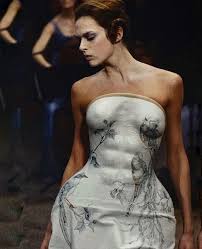
- The Mystery: Rumors persist of a “lost” collection of hand-painted silk gowns created for a private client in the mid-90s that never made it to the stage. These pieces used traditional Chinese techniques combined with modern draping that Wang has never revisited.
- The Rescue Mission: Finding these prototypes is less about physical search and more about “legal rescue.” These pieces often get caught in the estates of wealthy socialites, eventually ending up at estate sales where they are sold as “unlabeled vintage” rather than the avant-garde masterpieces they are.
3. The Galliano “Dior Samples” (1996–2000)
John Galliano’s early years at Dior were a explosion of maximalism. While the Dior Heritage Archive is one of the best in the world, many of the runway samples the pieces actually worn by supermodels on the catwalk disappeared.

- The Piece: The “Newspaper Print” dress from the Spring 2000 “Hobo” collection is iconic, but the original hand-painted prototypes used to test the layout of the print are missing.
- The Value: These aren’t just clothes; they are the “blueprints” of a creative revolution. Rescuing them involves tracking down former atelier staff and early buyers who may still have these samples in their attics.
4. Issey Miyake’s Lost Pleats (Early 70s)
Before “Pleats Please” became a commercial juggernaut, Miyake experimented with raw, architectural forms. Some of his early “Body Fly” pieces garments that looked like insects or cocoons were sold in tiny boutiques in Tokyo and Paris.
- The Threat: The chemical composition of early synthetic pleats is notoriously unstable. If these pieces aren’t stored in climate-controlled environments (specifically, flat-packed rather than hung), the pleats will “melt” and the fabric will lose its memory forever.
Why Rescue Matters
When these pieces are found, they shouldn’t just be sold to the highest bidder. “Rescuing” fashion means placing it in institutions like the Met’s Costume Institute or the V&A. Without these physical records, the technical secrets of how McQueen cut a sleeve or how Wang draped a bodice are lost to time, leaving future designers with only low-resolution photos to study.