The Lifestyle

Golden, Crisp, and Double-Fried: The Secret to Authentic Belgian Fries

In Belgium, fries are not a side dish; they are a national treasure protected by cultural heritage status. To call them “French” fries is a misnomer that any local will politely correct these are frieten (Flemish) or frites (French), and their preparation is a rigorous, time-honored craft.

The Secret Technique: The Double Fry

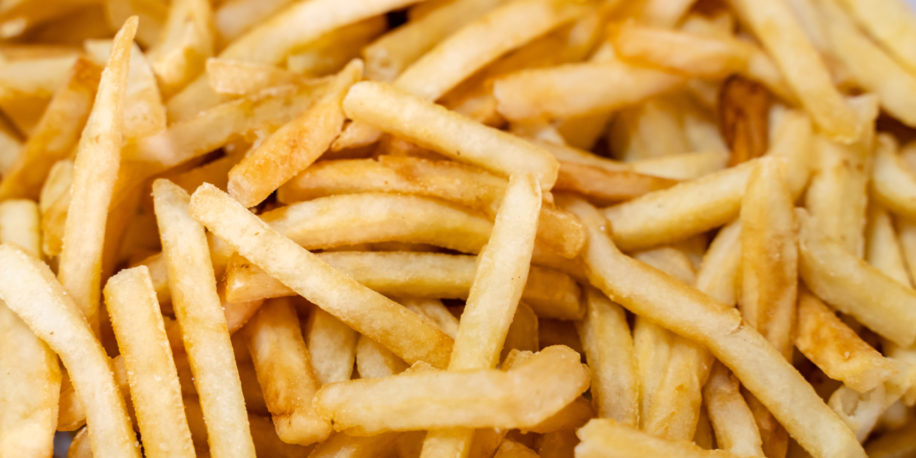
The reason Belgian fries possess a glass-like crunch on the outside and a cloud-like fluffiness on the inside is a specific two-stage cooking process.

  1. The First Fry (The Poach): The potatoes (traditionally the Bintje variety) are fried at a lower temperature (around 150°C / 300°F). This cooks the potato through to the center without browning the exterior.

  1. The Resting Period: The fries are removed and allowed to cool. This allows the starch to settle and prevents the interior from becoming oily.

  1. The Second Fry (The Crisp): Just before serving, they are plunged into unrefined beef tallow (Ossenwit) at a much higher temperature (180°C / 355°F). This creates the structural, golden crunch.

The Varieties: Cut and Style

While the “standard” fry is universal, you will encounter different styles across the country:

  • Classic Frieten: Hand-cut, thick-style sticks (usually 10mm to 13mm thick). This thickness is essential to maintain the contrast between the crispy shell and the mashed-potato-like interior.
  • Dunne Frietjes: A thinner, more “matchstick” style common in some fine-dining establishments, though purists argue they lose the fluffiness of the thicker cut.
  • Oven-Baked (Contemporary): A modern, healthier alternative found in trendy urban spots, though rarely found in a traditional frietkot.

The Sauce Gallery: More Than Just Mayo

Belgians have turned fry sauces into a high art. When you visit a frietkot, you will often see 20+ colorful tubs of sauce.

The Classics

  • Belgian Mayonnaise: Unlike the sweet American version, this is sharp, lemony, and high-fat.
  • Tartare: Mayonnaise base with capers, onions, and fresh herbs (chives or parsley).

The “Kick” (Spicy Sauces)

  • Andalouse: The most famous Belgian specialty. A blend of mayo, tomato, and peppers. It’s savory with a mild heat.
  • Samouraï: For heat seekers. Mayo mixed with red chili peppers or Sambal Oelek. It is bright orange and packs a punch.
  • Americaine: A spicy sauce with tomato, onions, capers, and a hint of celery and chervil.

The Sweet & Savory

  • Joppiesaus: A yellow, curry-based sauce with a distinct onion flavor. It’s sweet and incredibly addictive.
  • Mammoet: A thick, sweet-and-spicy sauce made with tomato, onion, and glucose syrup.
  • Curry Ketchup: A spiced ketchup that is a staple for the “Speciaal” (fries topped with sauce and raw onions).

Loaded Fries: The “Schotels”

In Belgium, “loading” your fries is common, but it follows traditional culinary patterns.

  • Stoofvlees-Friet (Carbonnade): The ultimate Belgian comfort food. Thick fries are smothered in a rich, dark beer-based beef stew. The gravy soaks into the fries, and it is almost always topped with a generous dollop of fresh mayonnaise to balance the richness.
  • Frietje Waterzooi: A cream-based chicken or fish stew served over fries, primarily found in the Ghent region.
  • The “Kapsalon” Influence: Though originally Dutch, this “hairdresser” style is popular in Belgian cities. It features a layer of fries topped with shawarma or doner meat, melted gouda cheese, salad, and garlic sauce.
  • Vol-au-vent: A creamy chicken and mushroom sauce (traditionally served in a pastry shell) poured over a large cone of fries.

Conclusion

Whether you prefer them “Natuur” (plain with salt) or buried under a mountain of Samouraï sauce and Stoofvlees, the Belgian fry is a masterclass in texture. It is the heart of Belgian street food simple, precise, and deeply satisfying.