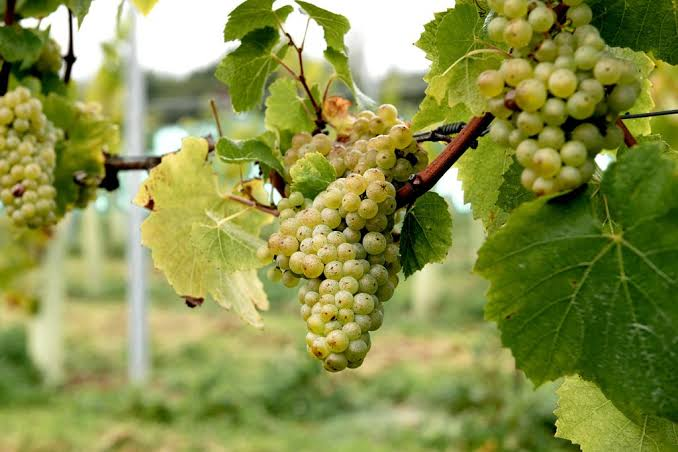
Legacy has always needed a landscape. Something physical, living, and rooted in time. For centuries, European aristocracy understood this land was status, and vineyards were civilization expressed through soil. Today, the world’s wealthiest individuals are returning to that lineage, acquiring vineyard estates not merely for luxury lifestyle, but for dynastic permanence.

From Napa to Bordeaux, Tuscany to Stellenbosch, vineyard estates have become one of the most sophisticated investment vehicles for UHNW families. They offer something modern assets cannot replicate: identity through creation. A family can buy art; they can commission architecture but wine is crafted, season by season, harvest by harvest. It is a dialogue with the land that spans generations.
This isn’t about launching celebrity wine labels or trend-driven rosé ventures. Those come and go. The new buyers are seeking:
- Estate-level appellation rights
- Vineyards with existing heritage lines
- Land protected under cultural geographic designation
- Soil with historical narrative and terroir prestige
In other words: story, scarcity, and immortality.
Consider Michel Arnault’s estate in Provence a vineyard positioned not as a brand, but as a cultural statement. Or the quiet acquisition trends surrounding family trusts in Mendoza and Barossa, where old-world winemakers are kept on staff not replaced because continuity is the ultimate luxury.


A vineyard estate is not simply purchased. It is inherited forward.
This shift is also strategic. Vineyard land remains one of the most resilient real estate categories in global markets. It withstands inflation, political volatility, and economic cycles because its value is rooted in origin, exclusivity, and finite production.
Moreover, wine ages.
Wine appreciates.
Wine remembers.
A cellar is not just a collection it is a family archive of years lived and years to come.
Within UHNW circles, private wine releases have replaced charity galas and brand showcases. Deals are now made on terraces overlooking rows of vines under late-summer haze. Partnerships emerge over barrel tastings. Legacy is spoken in oak and mineral character.


Because vineyard estates are not about hospitality.
They are about storytelling with time as the co-author.
In a world obsessed with speed, immediacy, and endless noise, the vineyard stands as a quiet rebellion—a commitment to patience, craftsmanship, and beauty that cannot be accelerated.
And those who understand legacy understand that the most powerful things grow slowly.
Not loud.
Not fast.
But forever.