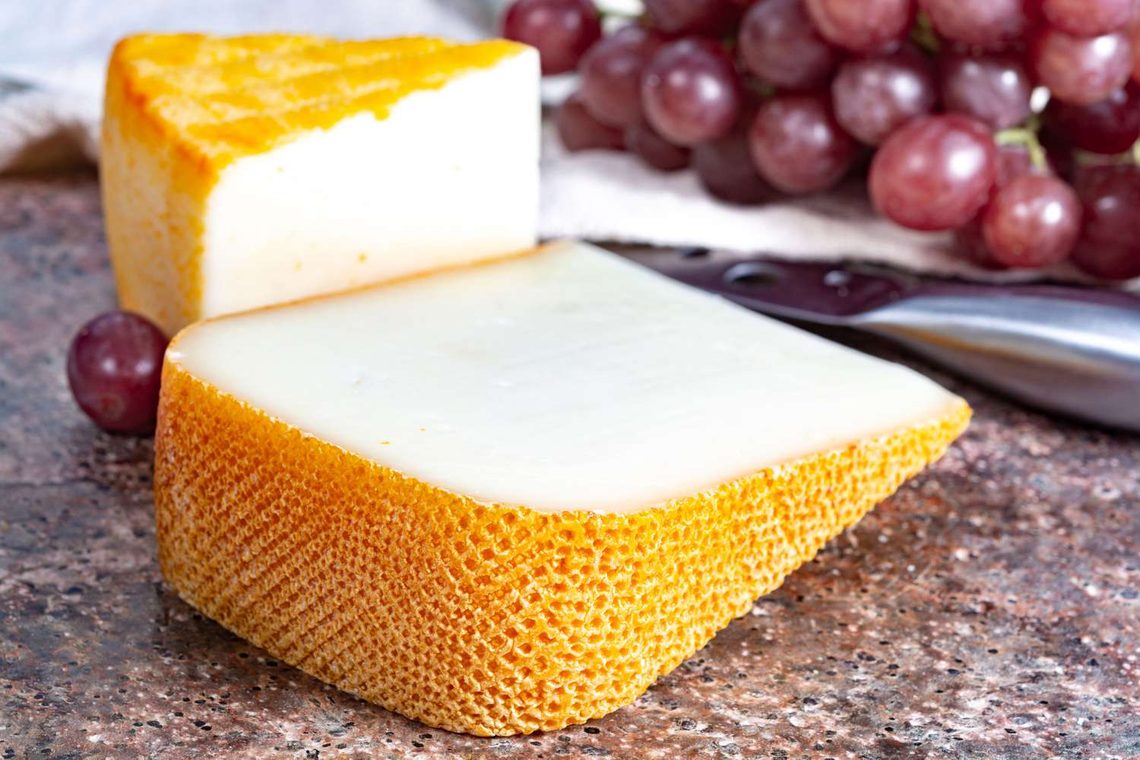
Belgium is often overshadowed by its neighbors in the cheese world, yet it produces over 300 distinct varieties. The Belgian approach to cheese is inseparable from its brewing heritage, with many of the best varieties still produced within the walls of ancient monasteries.
1. Herve Cheese (The Only Belgian AOP)
Fromage de Herve is the “king” of Belgian cheeses and the only one to hold the protected Appellation d’Origine Protégée (AOP) status.

- The Profile: A soft, washed-rind cheese with a notoriously pungent aroma and a powerful, salty flavor.
- The Pairing: Traditionally eaten on a slice of local rye bread with Liège syrup (a dense fruit spread) to balance the saltiness, often accompanied by a cup of coffee or a dark Abbey ale.
2. Trappist and Abbey Cheeses
These are perhaps the most famous Belgian cheeses, historically made by monks to support their monasteries.


- Chimay: Known for its creamy texture. Some versions, like Chimay à la Bière, have their rinds washed in Chimay ale.
- Orval: A semi-hard cheese with a mild, nutty flavor that develops a distinct funk as it ages.
- Westmalle: A harder, saltier cheese that is traditionally served in cubes with a dash of celery salt as a “borrelhapje” (drinking snack).
3. Remoudou
A close cousin to Herve, this cheese gets its name from the local dialect word remoud, meaning “to milk a second time.”

- The Secret: It is made from “richer” milk taken from the cow long after the first milking.
- The Flavor: Extremely rich and creamy, it was historically used as a form of currency due to its high value and long shelf life.
4. Brussels Cheese (Etekeas)
Not for the faint of heart, this is a traditional, lean, sharp cheese from the capital.

- The Profile: It is salt-cured and aged until it becomes quite pungent and translucent.
- The Serving: It is almost exclusively eaten on thick slices of buttered sourdough bread, often with radishes and onions to cut through the sharp saltiness.
5. Passendale
Representing the “hard” cheese category, Passendale is easily recognizable by its unique shape, which resembles a traditional loaf of farmhouse bread.

- The Profile: It has a light, airy texture with small holes and a mild, buttery taste.
- The Best Use: It is the standard-bearer for Belgian breakfast tables and school lunch sandwiches (boterhammen).
6. Maredsous
A classic “Abbey-style” cheese, Maredsous is a semi-soft, washed-rind cheese.

- The Process: The cheese is ripened in stone cellars where the naturally high humidity and cool temperature create a velvety, orange rind and an incredibly smooth, melt-in-the-mouth interior.
The Belgian Way: How to Eat Cheese
In Belgium, cheese isn’t just an appetizer; it’s a way of life:
- The Cube & Salt Rule: When ordering cheese at a cafe, it will arrive in cubes. You are expected to dip them into a small pile of celery salt and strong mustard.
- Beer Over Wine: While the French pair cheese with wine, Belgians almost always pair their local cheeses with high-fermentation beers. The carbonation and complex malts of a Tripel or Dubbel cut through the fat of the cheese perfectly.
- The Morning Ritual: Cheese is a staple of the “Belgian Breakfast,” served alongside charcuterie, soft-boiled eggs, and fresh pistolets (crusty rolls).