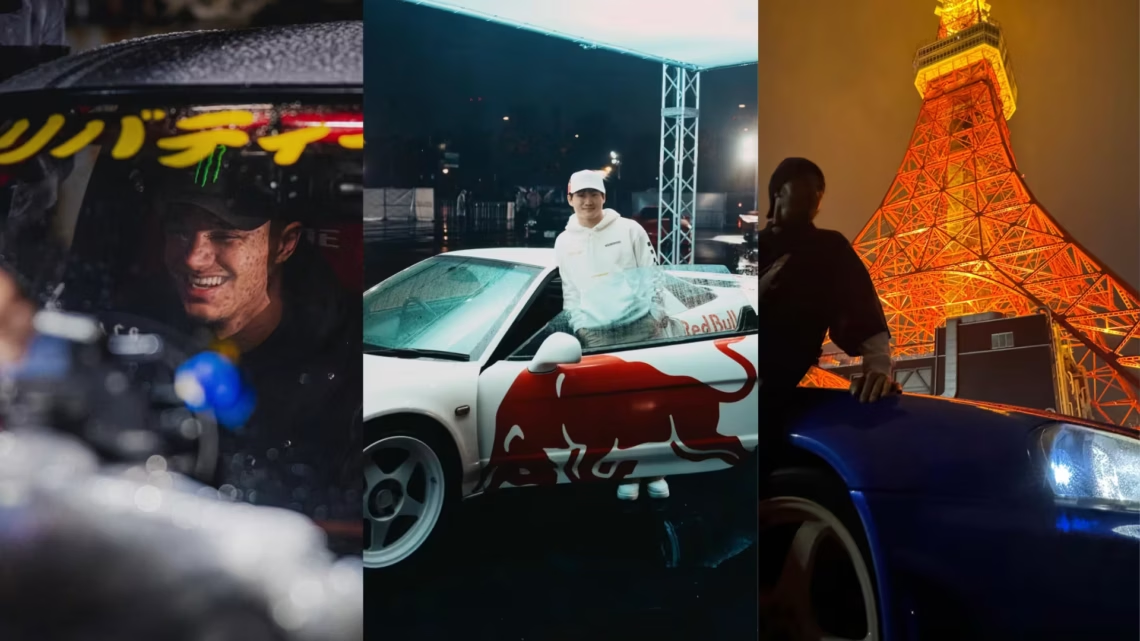
The connection between Formula 1 and Japan goes far beyond the asphalt of the Suzuka Circuit. It is rooted in a cultural philosophy where automotive engineering is treated as a high art form, blending precision with a deep-seated passion for self-expression.
Here is a look at the unique elements that make the Japanese Grand Prix a standout event on the racing calendar.
The Philosophy of Monozukuri
At the heart of Japanese car culture is the concept of monozukuri—the art of making things. This isn’t just about manufacturing; it’s a commitment to craftsmanship and continuous improvement. In the streets of Tokyo, Osaka, and Yokohama, this manifests in the meticulous modification of legendary machines.
- Icons of the Scene: The Nissan Skyline GT-R, Honda NSX, Toyota Supra, and Mazda RX-7 aren’t just cars; they are canvases for owners who spend years perfecting every mechanical and aesthetic detail.
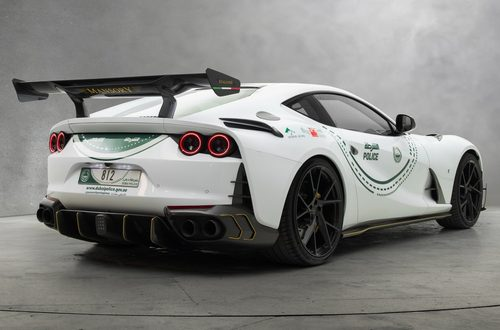
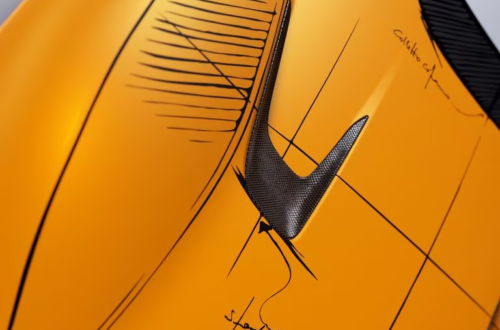
- The High Jewelry Connection: Much like the intricate “Massign” techniques seen in high jewelry, Japanese automotive tuning emphasizes hidden details and technical mastery that may not be visible to the casual observer but are revered by enthusiasts.
From Mountain Passes to Global Screens
While F1 represents the pinnacle of circuit racing, Japan’s “underground” racing scene birthed a global phenomenon: Drifting.
- The Origin: In the 1970s, driver Kunimitsu Takahashi began using controlled slides to maintain speed through corners. This evolved on the narrow, winding mountain passes (touge) of Japan into a style-focused discipline.
- The Drift King: Keiichi Tsuchiya elevated drifting into a recognized sport, which was eventually immortalized in global pop culture, most notably through the Fast & Furious franchise and iconic anime series.
The Driver’s Perspective
F1 drivers often arrive early in Japan to immerse themselves in this local culture.
- Lewis Hamilton has made it a tradition to explore the streets behind the wheel of a classic R34 GT-R, bridging the gap between his professional life in a high-tech cockpit and his personal appreciation for classic Japanese engineering.
- Yuki Tsunoda carries a personal connection to this heritage; his father competed in an NSX and owns a classic Honda S2000, which served as the first car the young driver ever experienced.


A Fan Base Like No Other
The atmosphere at Suzuka is defined by the fans, whose dedication rivals the teams themselves.
- Hand-Crafted Enthusiasm: It is common to see spectators in full, hand-made replica race suits or wearing hats designed like DRS-enabled rear wings.
- Universal Respect: Unlike many other sports, the Japanese crowd is known for cheering for every team on the grid, from the front-runners to the back of the pack. This “joy of the spectacle” is what makes Suzuka one of the most beloved stops for the entire paddock.
As the 2026 season continues, the intersection of Japan’s rich automotive history and the cutting-edge technology of F1 creates a weekend that is as much about cultural heritage as it is about championship points.