The Wines Defining 2026: Champagne’s Resurgence, Falling Giants and the Labels Winning Consumers’ Attention
Moët & Chandon remains the world’s most valuable Champagne and wine brand, Veuve Clicquot is enjoying remarkable brand growth, and accessible labels continue to compete for consumers. But beneath the headline successes, Penfolds, Yellow Tail and several established wine producers are facing a more difficult market.
The global wine industry is experiencing a change in consumer behaviour that is becoming increasingly difficult for producers to ignore. Consumers are drinking less, becoming more selective about what they purchase and, in some markets, moving away from traditional wine styles altogether.
Yet 2026 has not been without its winners.
Champagne houses have demonstrated that luxury positioning and heritage can protect brand value, while accessible wine brands continue to benefit from familiarity and broad distribution. At the same time, a number of established producers have experienced declining valuations and weaker retail performance.
The picture is not one of a market in which every producer is struggling. It is a market becoming more selective about which wines deserve a place in the shopping basket.
Moët & Chandon retains the crown
Moët & Chandon remains the world’s most valuable Champagne and wine brand, according to Brand Finance’s Alcoholic Drinks 2026 report.
Its brand value increased by 12% to approximately US$2.3 billion, retaining first place in the Champagne and wine ranking.
The result is significant because it comes during a period in which global wine consumption has been declining. Rather than relying entirely on increased consumption, leading Champagne houses have continued to benefit from their heritage, premium positioning and association with celebrations.
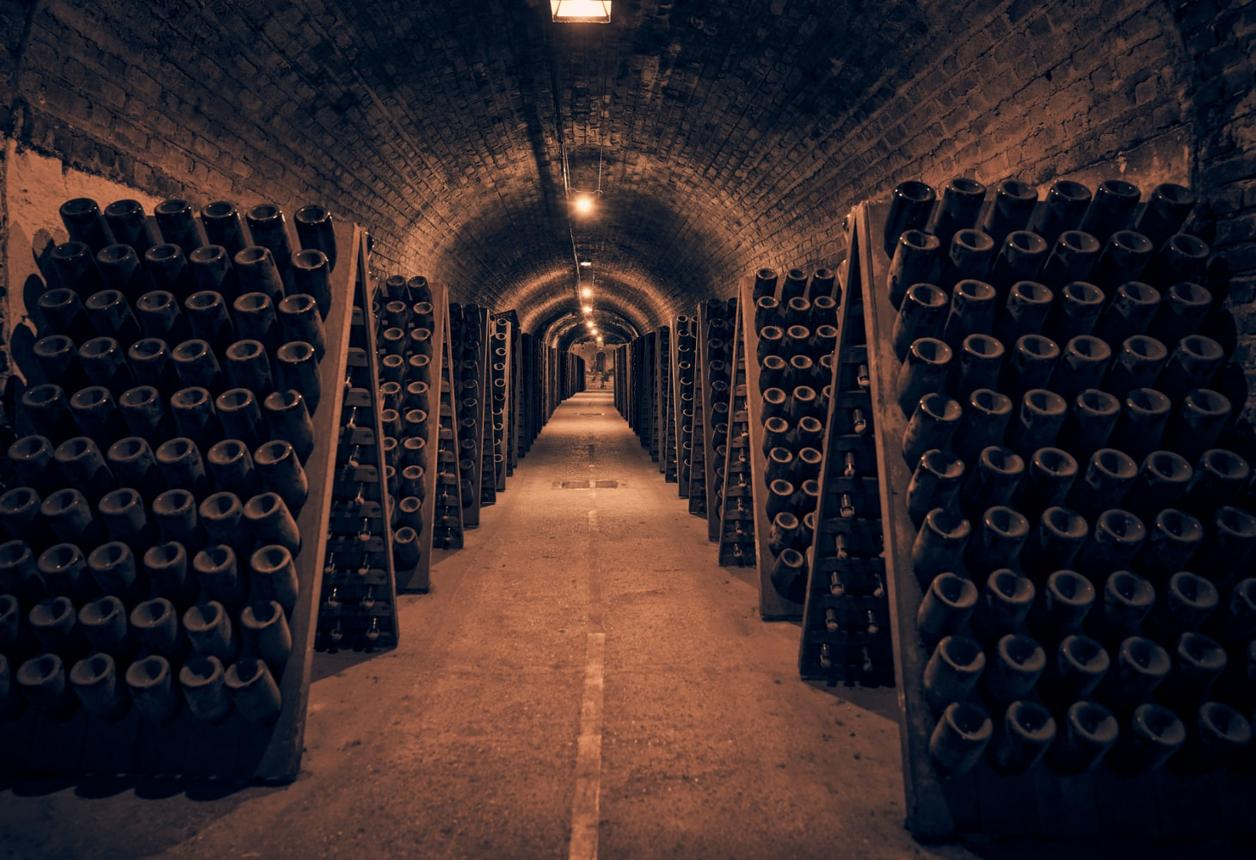
Veuve Clicquot was one of the year’s most notable performers. Its brand value increased by 39% to approximately US$1.4 billion, moving from fourth place in 2025 to second in 2026.
Dom Pérignon also recorded strong growth, with its brand value increasing by 21% to approximately US$300 million.
All three brands belong to the LVMH Champagne portfolio, making their performance particularly interesting. The group has managed to maintain the commercial relevance of its leading Champagne houses even as the wider wine market experiences pressure.
However, brand value should not be confused with the number of bottles sold. These figures measure the estimated financial value of the brands, not their annual shipment volumes.
Barefoot: the strength of an accessible wine
While luxury Champagne dominates the brand-value headlines, Barefoot remains an important name in the accessible wine market.
Brand Finance identified Barefoot as the strongest Champagne and wine brand globally in 2026, with a Brand Strength Index score of 85.1 out of 100 and an AAA rating.
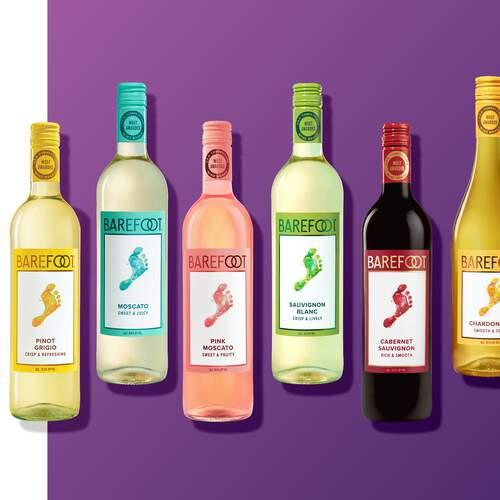
Its brand value increased by 2% to approximately US$1.26 billion.
This is a different kind of achievement from Moët & Chandon’s position at the top of the valuation ranking. Barefoot’s strength comes from familiarity, accessibility and broad availability.
It is a reminder that the wine market is not exclusively moving towards expensive bottles. Consumers still have an appetite for recognisable brands that offer a relatively straightforward purchase.
Carlo Rossi also recorded an 8% increase in brand value, reaching approximately US$313 million, suggesting that affordable, established labels can retain commercial appeal.
Penfolds: a difficult year for an Australian icon
One of the most striking declines in Brand Finance’s 2026 ranking came from Penfolds.
The Australian producer’s brand value fell by 32% to approximately US$776 million, moving it from second place in 2025 to fourth in 2026.
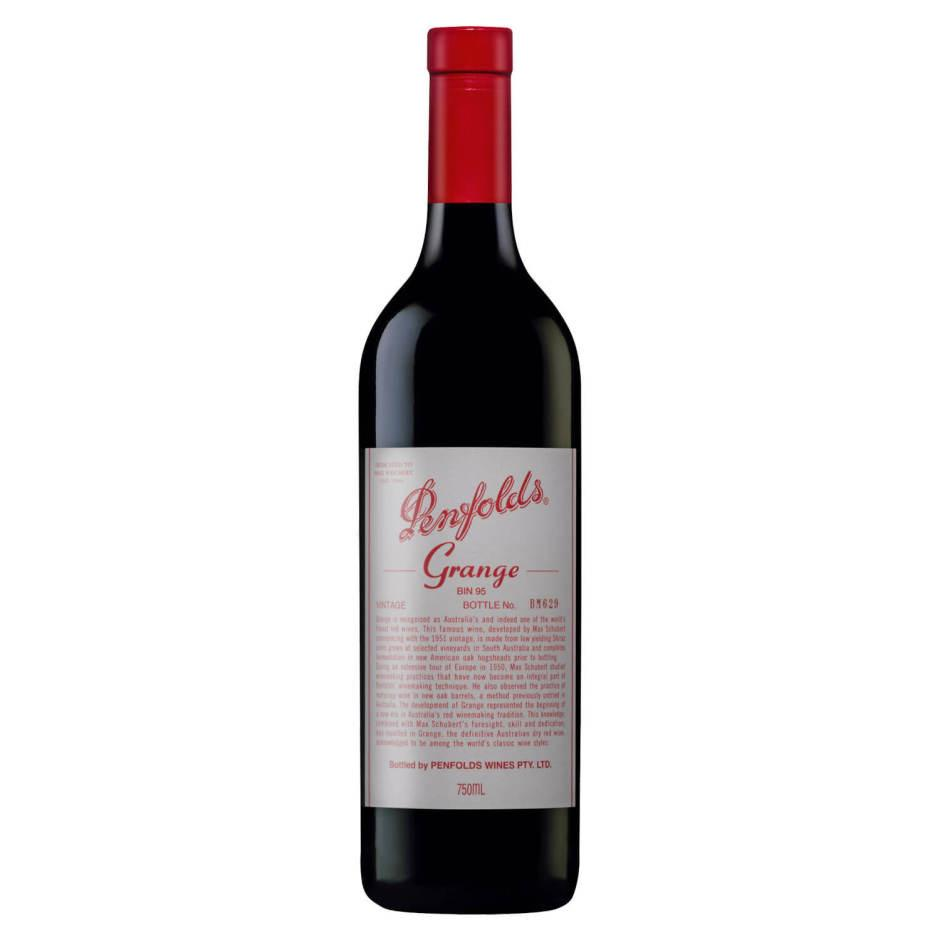
The decline is substantial, particularly for a producer whose reputation is built around premium Australian wine and internationally recognised labels such as Grange.
However, there is an important distinction between the brand valuation and the company’s underlying sales.
Treasury Wine Estates’ 2026 financial results showed that Penfolds recorded A$998.3 million in net sales revenue for the financial year ended 30 June 2026. Its earnings before interest, tax, SGARA and material items fell 15.2% to A$404.3 million.
At the same time, Treasury reported that global Penfolds depletions increased, with growth led by China, where depletions rose 34.7%.
This creates a more complicated picture than the Brand Finance ranking alone suggests. Penfolds experienced a decline in brand valuation and profitability, but its reported global depletions were stronger.
The wider company, Treasury Wine Estates, had a particularly difficult financial year. Net sales revenue fell 12.8% to A$2.56 billion, while underlying net profit after tax fell 41.5%.
Its Americas division was a major source of pressure, with revenue falling 21.2% to A$575 million.
For Penfolds, the challenge is therefore not simply whether consumers still recognise the name. It is how effectively the company can maintain premium demand while navigating a difficult international distribution and economic environment.
Yellow Tail and Changyu lose ground
Penfolds was not alone.
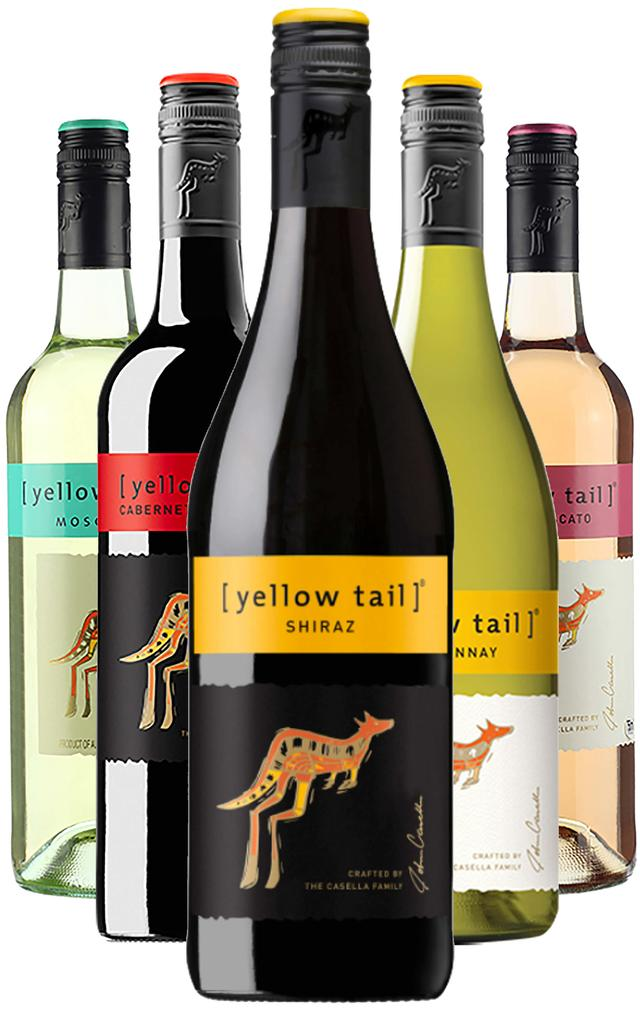
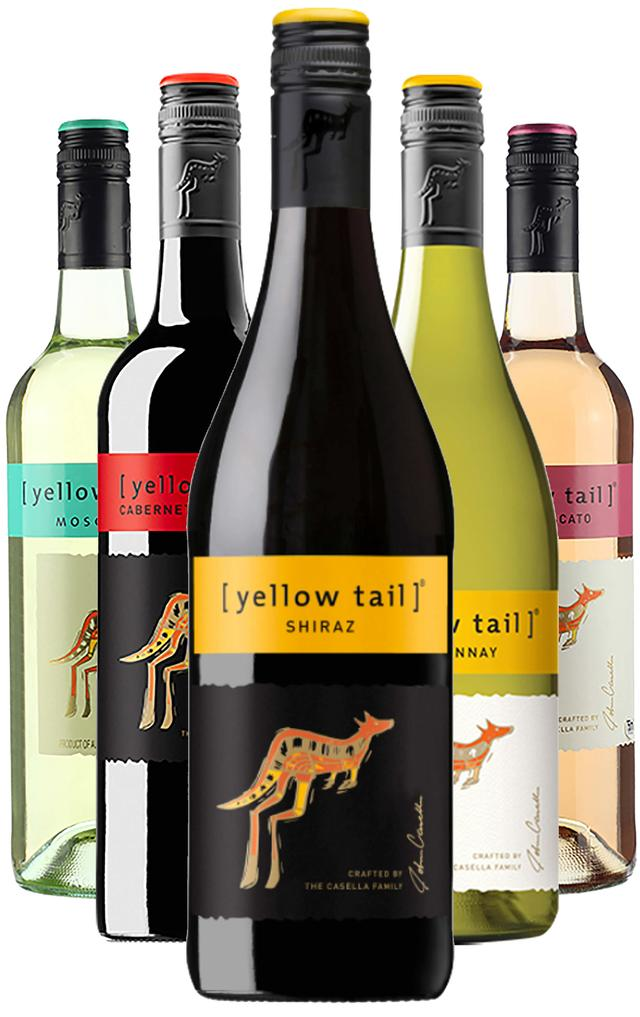
Brand Finance recorded a 14% decline in Yellow Tail’s brand value and a 22% decline for China’s Changyu.
Beringer also experienced a 16% decline.
These results highlight the difficulties facing established still-wine brands. Familiarity is valuable, but it does not guarantee that consumers will continue purchasing at the same rate.
The pressure is particularly pronounced in markets where household budgets are being squeezed and consumers are reconsidering how often they buy wine.
China is an important part of this discussion. According to IWSR data published by Wine Australia, Chinese wine consumption in 2025 was 58% smaller than in 2020. The country fell from the ninth-largest wine market by volume to sixteenth.
For international producers, the decline has consequences beyond the Chinese domestic industry. It changes the prospects for imported wines, premium Australian labels and established European producers that once relied on Chinese demand for growth.
The unexpected names attracting attention
Not all of 2026’s interesting wine stories involve established luxury houses.
In the United Kingdom, La Vieille Ferme has become one of the year’s more talked-about commercial success stories.
The Grocer’s 2026 ranking of Britain’s biggest alcohol brands reported sales growth of 43.8%, taking the brand to approximately £193.2 million in sales.
Its rosé in a can has been particularly successful, with the brand’s distributor describing the product as having sold exceptionally well.
The result is interesting because it combines an established wine identity with a format designed for more casual occasions.
LaMarca has also attracted attention in the US retail market. NielsenIQ data for the four weeks ending 31 October 2026 showed its sales value increasing 15.7%, making it one of the leading growth brands in that period.
Whitehaven recorded 23.7% growth in the same NielsenIQ snapshot, while Josh increased by 7.3%.
These figures are not global rankings, but they provide a useful indication of which labels are gaining momentum in the US retail market.
They also show that the conversation around wine is not limited to expensive Champagne and established Bordeaux or Australian labels. Consumers are responding to brands with accessible positioning, recognisable identities and products that fit changing drinking occasions.
Champagne is gaining brand value, but the category is not immune
It would be easy to read the performance of Moët & Chandon, Veuve Clicquot and Dom Pérignon as evidence that Champagne is enjoying an uncomplicated revival.
The shipment figures tell a more nuanced story.
Champagne shipments have remained under pressure, and consumers are increasingly considering alternatives at lower price points.
The ProWein sparkling wine report, as reported by Vinetur in June 2026, highlighted a contrasting performance across sparkling categories. Champagne shipments fell 2% in 2025 to approximately 266 million bottles, following a 9% decline in the previous year.
Crémant moved in the opposite direction, with worldwide sales increasing 7.5% to almost 123 million bottles.
Cava also experienced difficulties, with sales falling 13% to approximately 190 million bottles.
The figures suggest that consumers are not necessarily abandoning sparkling wine. They may instead be reconsidering how much they are willing to pay for it.
For Champagne houses, brand heritage and premium positioning remain valuable, but they are competing in a market where consumers have more alternatives.
The wider market: consumers are drinking less
The International Organisation of Vine and Wine estimated global wine consumption at 208 million hectolitres in 2025, a decline of nearly 3%.
Wine Australia’s analysis of IWSR data provides further context.
Between 2020 and 2025, US wine consumption declined by 73 million nine-litre cases. China experienced an even more dramatic structural change, with consumption falling 58% over the same period.
The decline is not limited to red wine or the traditional European markets.
Wine Australia reported that red wine has experienced the largest long-term decline, falling by more than 400 million nine-litre cases since its peak in 2017. Still white and rosé have declined more moderately, while sparkling wine has grown by approximately 1% annually over the same period.
There is also an emerging opportunity in low- and no-alcohol wine.
Global consumption of low- and no-alcohol wine reached approximately 28 million nine-litre cases in 2025, having grown by an average of 8% annually over the preceding decade.
It remains a relatively small part of the overall market, but it reflects the growing importance of moderation and changing drinking habits.
Who is winning in 2026?
The available figures reveal several different winners, depending on what is being measured.
Moët & Chandon leads in brand value, Veuve Clicquot has delivered the strongest brand-value growth among the leading Champagne and wine brands, and Barefoot has the highest brand-strength score.
In the US retail market, LaMarca, Whitehaven and Josh have recorded notable sales growth in the latest reported four-week period.
In the UK, La Vieille Ferme has been one of the year’s most talked-about commercial performers.
On the other side of the market, Penfolds, Changyu, Yellow Tail and Beringer have all experienced declines in brand value. Treasury Wine Estates has also faced significant financial pressure, particularly in its Americas division.
These are different measurements, but together they show how uneven the market has become.
A changing definition of a successful wine brand
The wine industry has traditionally relied on heritage, geography, production methods and reputation to establish value. Those qualities remain important, particularly in the luxury market.
But 2026 is demonstrating that reputation alone is not enough.
Moët & Chandon and Veuve Clicquot have maintained their position through the strength of their identities and their association with significant occasions. Barefoot continues to demonstrate the importance of accessibility. La Vieille Ferme is benefiting from a product format that fits changing consumer behaviour.
Meanwhile, producers such as Penfolds are navigating a difficult combination of market pressure, distribution challenges and changing demand, despite continuing to command international recognition.
The market is not necessarily rewarding the most expensive bottle or the oldest vineyard. It is rewarding brands that understand when consumers want to spend, what they want to drink and why they choose one bottle over another.
In 2026, the strongest wine brands are not all competing for the same consumer. The more important competition is for relevance: whether a bottle represents an occasion, an affordable everyday choice or an experience worth paying more for.
The Wines Defining 2026: Champagne’s Resurgence, Falling Giants and the Labels Winning Consumers’ Attention
Moët & Chandon remains the world’s most valuable Champagne and wine brand, Veuve Clicquot is enjoying remarkable brand growth, and accessible labels continue to compete for consumers. But beneath the headline successes, Penfolds, Yellow Tail and several established wine producers are facing a more difficult market.
The global wine industry is experiencing a change in consumer behaviour that is becoming increasingly difficult for producers to ignore. Consumers are drinking less, becoming more selective about what they purchase and, in some markets, moving away from traditional wine styles altogether.
Yet 2026 has not been without its winners.
Champagne houses have demonstrated that luxury positioning and heritage can protect brand value, while accessible wine brands continue to benefit from familiarity and broad distribution. At the same time, a number of established producers have experienced declining valuations and weaker retail performance.
The picture is not one of a market in which every producer is struggling. It is a market becoming more selective about which wines deserve a place in the shopping basket.
Moët & Chandon retains the crown
Moët & Chandon remains the world’s most valuable Champagne and wine brand, according to Brand Finance’s Alcoholic Drinks 2026 report.
Its brand value increased by 12% to approximately US$2.3 billion, retaining first place in the Champagne and wine ranking.
The result is significant because it comes during a period in which global wine consumption has been declining. Rather than relying entirely on increased consumption, leading Champagne houses have continued to benefit from their heritage, premium positioning and association with celebrations.
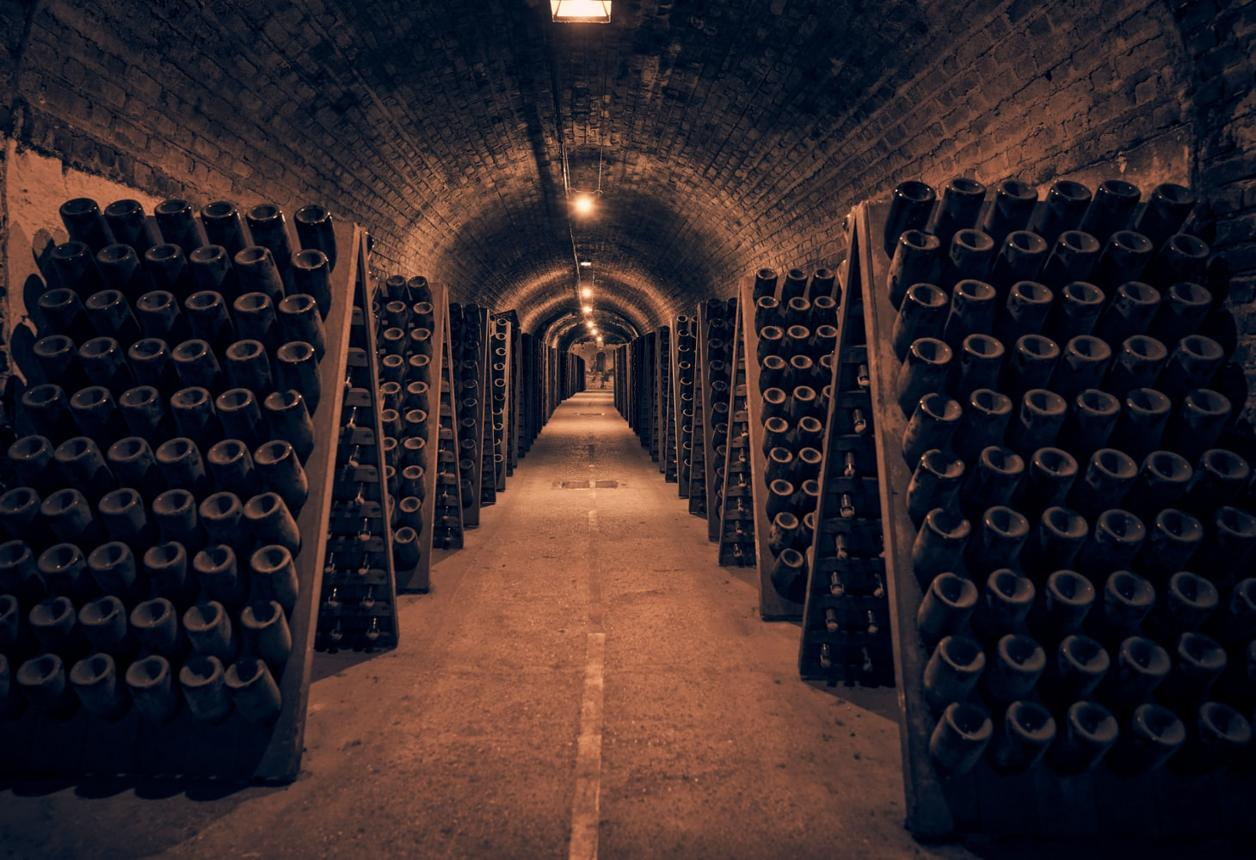
Veuve Clicquot was one of the year’s most notable performers. Its brand value increased by 39% to approximately US$1.4 billion, moving from fourth place in 2025 to second in 2026.
Dom Pérignon also recorded strong growth, with its brand value increasing by 21% to approximately US$300 million.
All three brands belong to the LVMH Champagne portfolio, making their performance particularly interesting. The group has managed to maintain the commercial relevance of its leading Champagne houses even as the wider wine market experiences pressure.
However, brand value should not be confused with the number of bottles sold. These figures measure the estimated financial value of the brands, not their annual shipment volumes.
Barefoot: the strength of an accessible wine
While luxury Champagne dominates the brand-value headlines, Barefoot remains an important name in the accessible wine market.
Brand Finance identified Barefoot as the strongest Champagne and wine brand globally in 2026, with a Brand Strength Index score of 85.1 out of 100 and an AAA rating.
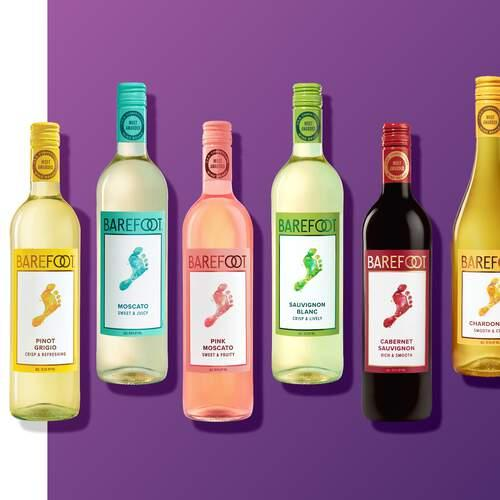
Its brand value increased by 2% to approximately US$1.26 billion.
This is a different kind of achievement from Moët & Chandon’s position at the top of the valuation ranking. Barefoot’s strength comes from familiarity, accessibility and broad availability.
It is a reminder that the wine market is not exclusively moving towards expensive bottles. Consumers still have an appetite for recognisable brands that offer a relatively straightforward purchase.
Carlo Rossi also recorded an 8% increase in brand value, reaching approximately US$313 million, suggesting that affordable, established labels can retain commercial appeal.
Penfolds: a difficult year for an Australian icon
One of the most striking declines in Brand Finance’s 2026 ranking came from Penfolds.
The Australian producer’s brand value fell by 32% to approximately US$776 million, moving it from second place in 2025 to fourth in 2026.
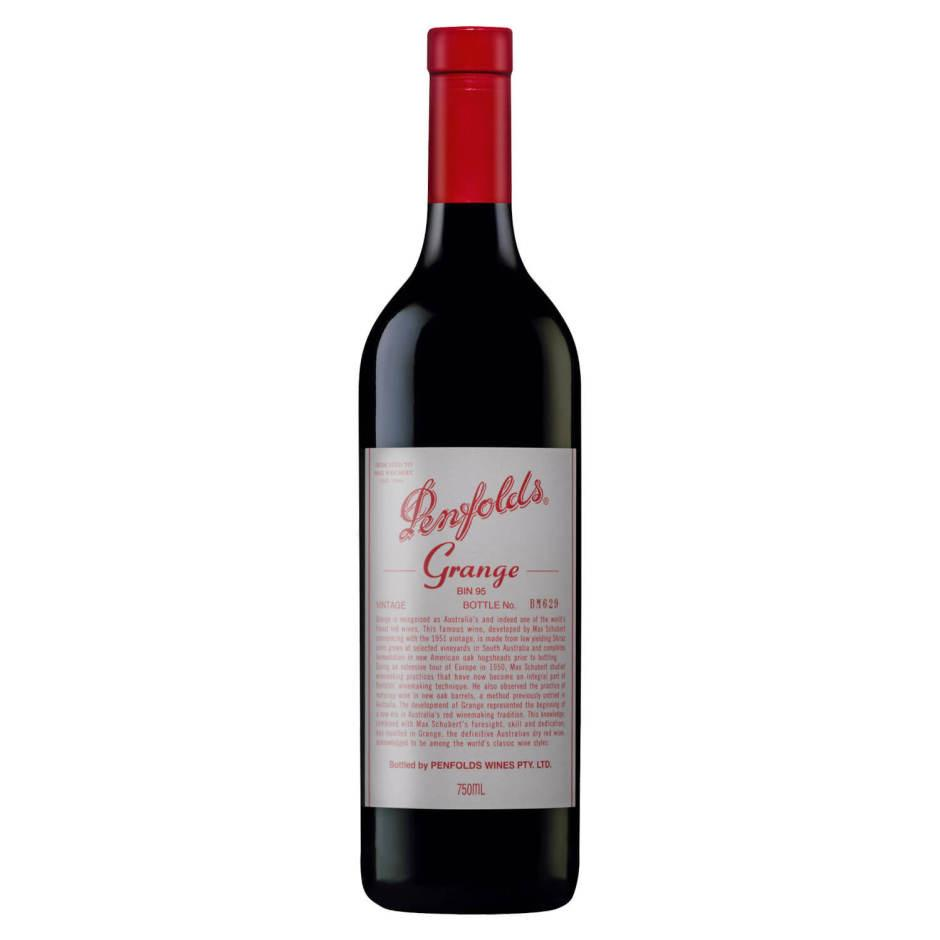
The decline is substantial, particularly for a producer whose reputation is built around premium Australian wine and internationally recognised labels such as Grange.
However, there is an important distinction between the brand valuation and the company’s underlying sales.
Treasury Wine Estates’ 2026 financial results showed that Penfolds recorded A$998.3 million in net sales revenue for the financial year ended 30 June 2026. Its earnings before interest, tax, SGARA and material items fell 15.2% to A$404.3 million.
At the same time, Treasury reported that global Penfolds depletions increased, with growth led by China, where depletions rose 34.7%.
This creates a more complicated picture than the Brand Finance ranking alone suggests. Penfolds experienced a decline in brand valuation and profitability, but its reported global depletions were stronger.
The wider company, Treasury Wine Estates, had a particularly difficult financial year. Net sales revenue fell 12.8% to A$2.56 billion, while underlying net profit after tax fell 41.5%.
Its Americas division was a major source of pressure, with revenue falling 21.2% to A$575 million.
For Penfolds, the challenge is therefore not simply whether consumers still recognise the name. It is how effectively the company can maintain premium demand while navigating a difficult international distribution and economic environment.
Yellow Tail and Changyu lose ground
Penfolds was not alone.
Brand Finance recorded a 14% decline in Yellow Tail’s brand value and a 22% decline for China’s Changyu.
Beringer also experienced a 16% decline.
These results highlight the difficulties facing established still-wine brands. Familiarity is valuable, but it does not guarantee that consumers will continue purchasing at the same rate.
The pressure is particularly pronounced in markets where household budgets are being squeezed and consumers are reconsidering how often they buy wine.
China is an important part of this discussion. According to IWSR data published by Wine Australia, Chinese wine consumption in 2025 was 58% smaller than in 2020. The country fell from the ninth-largest wine market by volume to sixteenth.
For international producers, the decline has consequences beyond the Chinese domestic industry. It changes the prospects for imported wines, premium Australian labels and established European producers that once relied on Chinese demand for growth.
The unexpected names attracting attention
Not all of 2026’s interesting wine stories involve established luxury houses.
In the United Kingdom, La Vieille Ferme has become one of the year’s more talked-about commercial success stories.
The Grocer’s 2026 ranking of Britain’s biggest alcohol brands reported sales growth of 43.8%, taking the brand to approximately £193.2 million in sales.
Its rosé in a can has been particularly successful, with the brand’s distributor describing the product as having sold exceptionally well.
The result is interesting because it combines an established wine identity with a format designed for more casual occasions.
LaMarca has also attracted attention in the US retail market. NielsenIQ data for the four weeks ending 31 October 2026 showed its sales value increasing 15.7%, making it one of the leading growth brands in that period.
Whitehaven recorded 23.7% growth in the same NielsenIQ snapshot, while Josh increased by 7.3%.
These figures are not global rankings, but they provide a useful indication of which labels are gaining momentum in the US retail market.
They also show that the conversation around wine is not limited to expensive Champagne and established Bordeaux or Australian labels. Consumers are responding to brands with accessible positioning, recognisable identities and products that fit changing drinking occasions.
Champagne is gaining brand value, but the category is not immune
It would be easy to read the performance of Moët & Chandon, Veuve Clicquot and Dom Pérignon as evidence that Champagne is enjoying an uncomplicated revival.
The shipment figures tell a more nuanced story.
Champagne shipments have remained under pressure, and consumers are increasingly considering alternatives at lower price points.
The ProWein sparkling wine report, as reported by Vinetur in June 2026, highlighted a contrasting performance across sparkling categories. Champagne shipments fell 2% in 2025 to approximately 266 million bottles, following a 9% decline in the previous year.
Crémant moved in the opposite direction, with worldwide sales increasing 7.5% to almost 123 million bottles.
Cava also experienced difficulties, with sales falling 13% to approximately 190 million bottles.
The figures suggest that consumers are not necessarily abandoning sparkling wine. They may instead be reconsidering how much they are willing to pay for it.
For Champagne houses, brand heritage and premium positioning remain valuable, but they are competing in a market where consumers have more alternatives.
The wider market: consumers are drinking less
The International Organisation of Vine and Wine estimated global wine consumption at 208 million hectolitres in 2025, a decline of nearly 3%.
Wine Australia’s analysis of IWSR data provides further context.
Between 2020 and 2025, US wine consumption declined by 73 million nine-litre cases. China experienced an even more dramatic structural change, with consumption falling 58% over the same period.
The decline is not limited to red wine or the traditional European markets.
Wine Australia reported that red wine has experienced the largest long-term decline, falling by more than 400 million nine-litre cases since its peak in 2017. Still white and rosé have declined more moderately, while sparkling wine has grown by approximately 1% annually over the same period.
There is also an emerging opportunity in low- and no-alcohol wine.
Global consumption of low- and no-alcohol wine reached approximately 28 million nine-litre cases in 2025, having grown by an average of 8% annually over the preceding decade.
It remains a relatively small part of the overall market, but it reflects the growing importance of moderation and changing drinking habits.
Who is winning in 2026?
The available figures reveal several different winners, depending on what is being measured.
Moët & Chandon leads in brand value, Veuve Clicquot has delivered the strongest brand-value growth among the leading Champagne and wine brands, and Barefoot has the highest brand-strength score.
In the US retail market, LaMarca, Whitehaven and Josh have recorded notable sales growth in the latest reported four-week period.
In the UK, La Vieille Ferme has been one of the year’s most talked-about commercial performers.
On the other side of the market, Penfolds, Changyu, Yellow Tail and Beringer have all experienced declines in brand value. Treasury Wine Estates has also faced significant financial pressure, particularly in its Americas division.
These are different measurements, but together they show how uneven the market has become.
A changing definition of a successful wine brand
The wine industry has traditionally relied on heritage, geography, production methods and reputation to establish value. Those qualities remain important, particularly in the luxury market.
But 2026 is demonstrating that reputation alone is not enough.
Moët & Chandon and Veuve Clicquot have maintained their position through the strength of their identities and their association with significant occasions. Barefoot continues to demonstrate the importance of accessibility. La Vieille Ferme is benefiting from a product format that fits changing consumer behaviour.
Meanwhile, producers such as Penfolds are navigating a difficult combination of market pressure, distribution challenges and changing demand, despite continuing to command international recognition.
The market is not necessarily rewarding the most expensive bottle or the oldest vineyard. It is rewarding brands that understand when consumers want to spend, what they want to drink and why they choose one bottle over another.
In 2026, the strongest wine brands are not all competing for the same consumer. The more important competition is for relevance: whether a bottle represents an occasion, an affordable everyday choice or an experience worth paying more for.