Ferrari’s 2026 Season: Two Drivers, One Team and Too Many Opportunities Thrown Away
FORMULA 1 | SEASON REVIEW | NOVEMBER 21, 2026
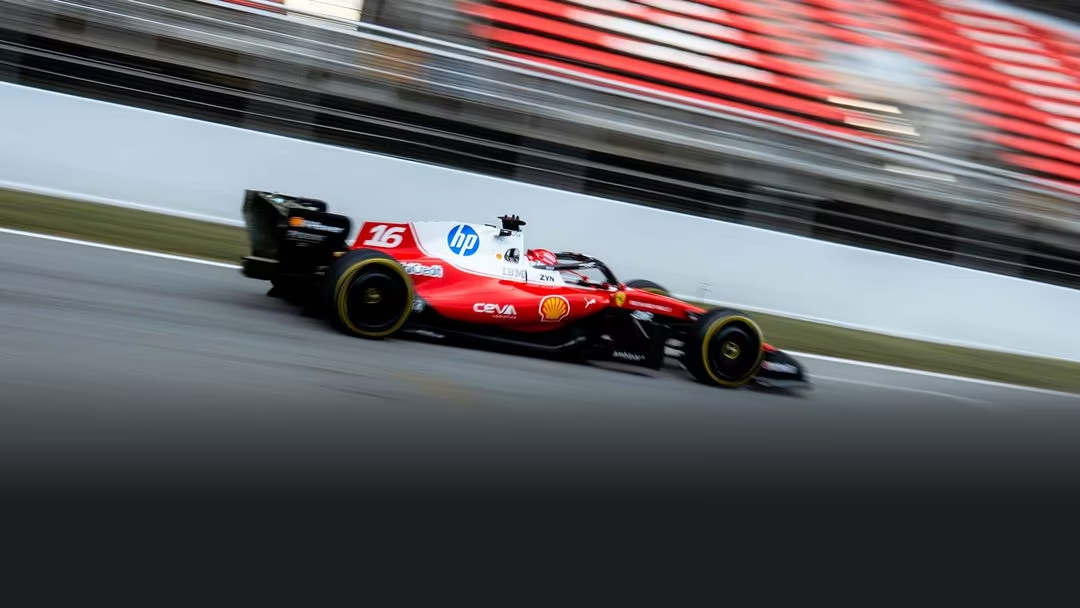
There is something particularly frustrating about watching Ferrari in 2026. After a difficult 2025 campaign, the Scuderia arrived with a new car, a renewed sense of purpose and two drivers who, on paper, should have been capable of bringing the team back into championship contention.
The SF-26 has demonstrated genuine race-winning potential. Lewis Hamilton has finally secured his first Grand Prix victory in Ferrari red, Charles Leclerc has returned to the top step of the podium, and the team has regularly challenged Mercedes, McLaren and Red Bull.
But there is another story unfolding behind the results.
Ferrari’s biggest problems this season have not always come from its competitors. Sometimes they have come from the two cars running alongside each other. At other times, decisions made on the pit wall have complicated races that Ferrari had every opportunity to control.
And perhaps the most concerning development is that these problems have become recurring rather than isolated incidents.
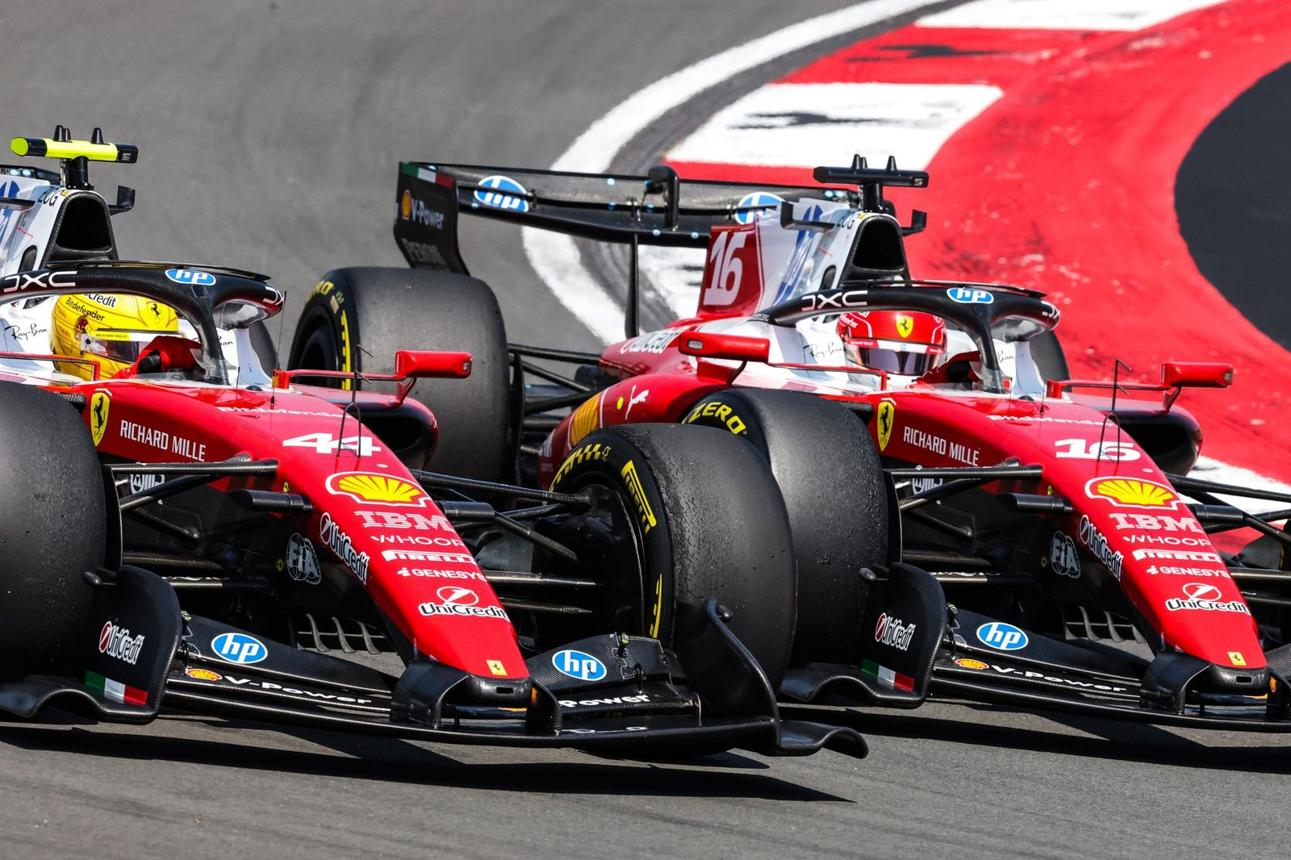
As the championship approaches its final three rounds, the question is no longer whether Ferrari has a competitive car. It is whether the Scuderia can operate as a championship-winning team when it matters most.
1\. Leclerc versus Hamilton: When the biggest competition is inside the garage
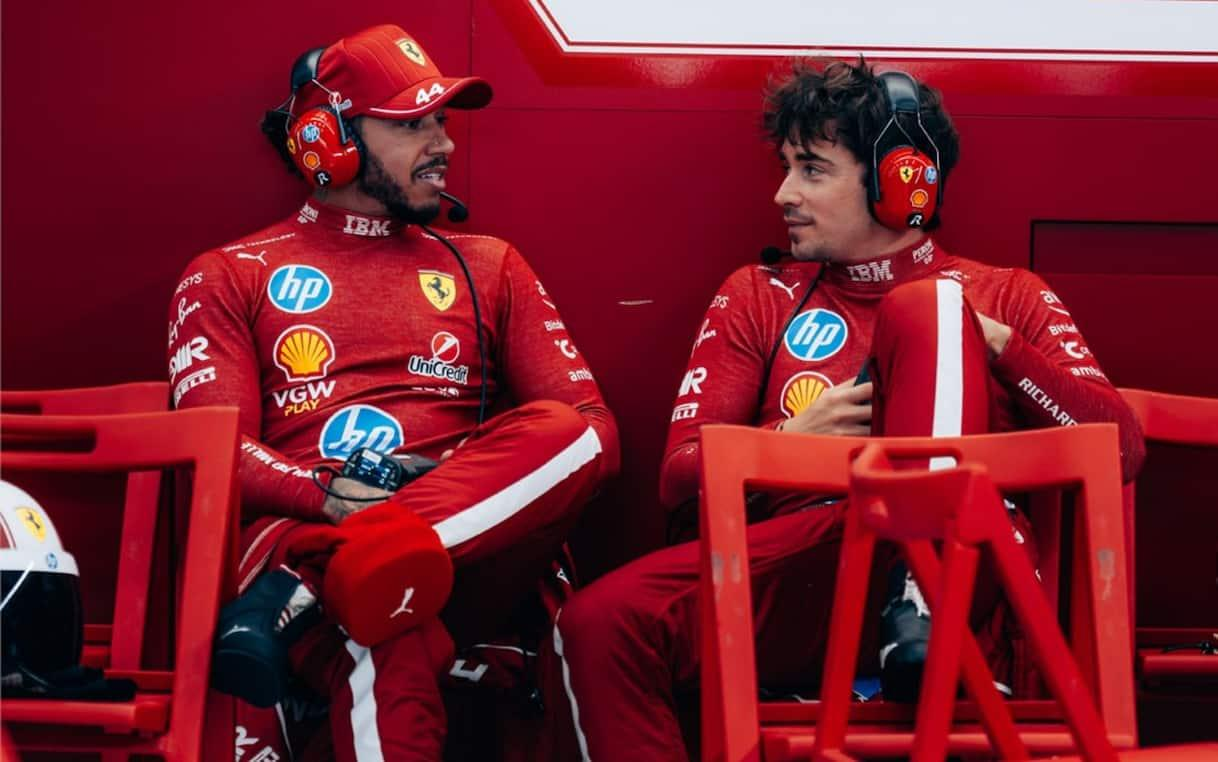
Ferrari’s driver pairing was always going to attract attention. Leclerc is the established Maranello favourite, a driver who has spent years carrying the expectations of the Tifosi. Hamilton arrived with seven world championships, an enormous amount of experience and the expectation that he could help Ferrari rediscover its winning identity.
The problem is that neither driver came to Ferrari to play second fiddle.
The opening rounds suggested that their relationship could work. In China, the pair enjoyed an entertaining battle for position, with Hamilton describing it as one of his most enjoyable races in years.
But as the season progressed, the competition became increasingly uncomfortable.
The underlying issue has been Ferrari’s reluctance to establish sufficiently clear rules of engagement. Both drivers have been given opportunities to race, but there have been several occasions when that freedom has worked against the team’s interests.
The important distinction is that not every disagreement is a driver problem. Sometimes the pit wall has created the circumstances for the disagreement. However, there are occasions when both drivers have made decisions that have cost Ferrari valuable points.
The races where Ferrari’s drivers became their own worst enemies
China – March 15: The first indication of what was coming
The Chinese Grand Prix delivered one of the first major intra-team battles of the season.
Hamilton and Leclerc fought for the final podium position after losing ground to Mercedes. It was entertaining, and both drivers described the racing as fair.
There was no major incident, but it demonstrated something Ferrari would encounter repeatedly: neither driver was prepared to surrender position without a fight.
At that stage, it was healthy competition. Later in the season, the same attitude became considerably more expensive.
Barcelona – June 14: Leclerc’s qualifying mistake
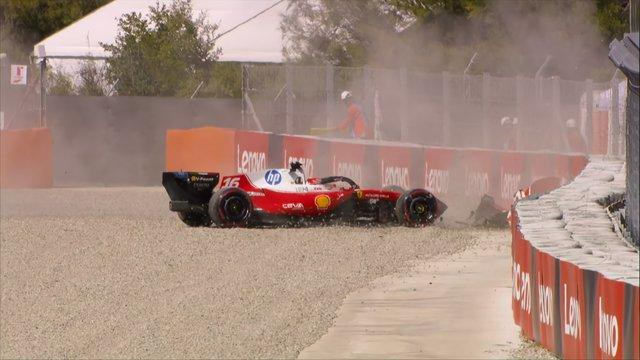
Hamilton qualified second and went on to win the Grand Prix, while Leclerc started tenth after crashing during Q3.
The Monegasque recovered to seventh before a hydraulic failure forced his retirement late in the race.
The mechanical failure was not his fault, but the qualifying crash put him on the back foot before Sunday even began.
Ferrari had a winning car that weekend. Hamilton demonstrated it. Leclerc’s mistake meant he could not properly capitalise on it.
Belgium – July 19: Hamilton’s collision and Leclerc’s battle with Piastri
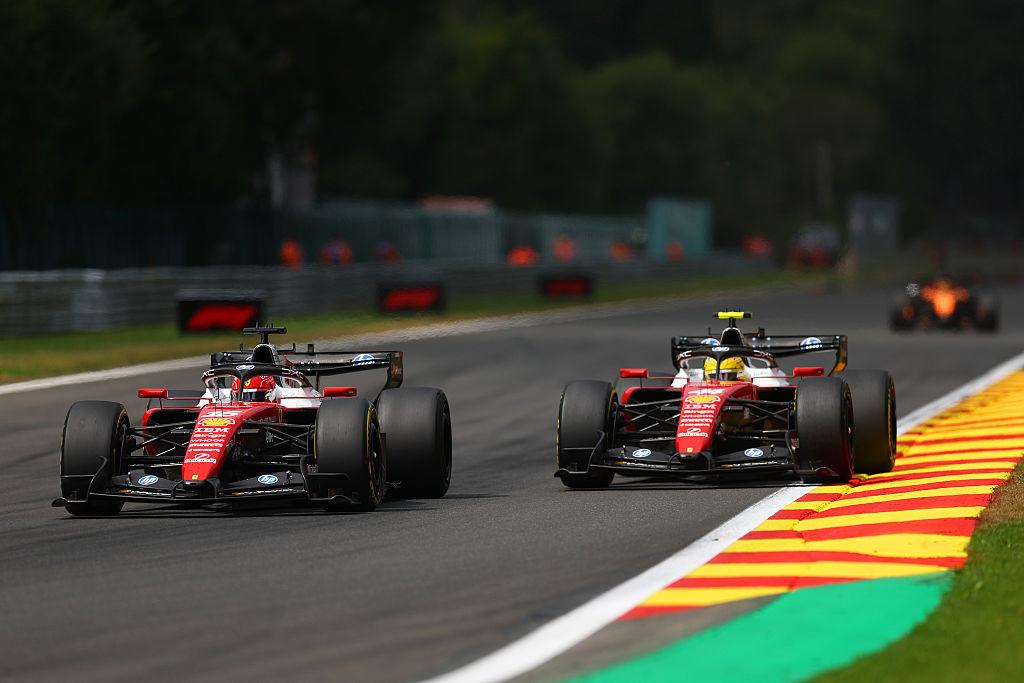
Spa produced another example of how quickly individual battles can compromise a team’s result.
Hamilton made contact with George Russell early in the race, receiving a five-second penalty. Russell subsequently retired.
Leclerc, meanwhile, was involved in a separate battle with Oscar Piastri, with the pair making contact.
Hamilton recovered to fourth, while Leclerc finished second behind Kimi Antonelli.
There was no evidence that either incident was deliberately intended to compromise the other Ferrari. Nevertheless, Hamilton’s penalty and Leclerc’s aggressive battle demonstrated how easily individual racing decisions can complicate the team’s afternoon.
Zandvoort – August 23: The team orders argument
This was where the relationship between the two drivers became particularly interesting.
Hamilton was running on a different tyre strategy and believed he had the pace to challenge ahead. However, Leclerc was occupying the position in front of him.
Hamilton became increasingly frustrated over the radio, questioning why Ferrari was allowing the situation to continue.
His now-famous sarcastic response was:
“Great waste of time guys, good job.”
Ferrari eventually brought Leclerc in, allowing Hamilton through.
But the situation was not entirely resolved. Leclerc was unhappy with aspects of the strategy, while Hamilton believed Ferrari needed to be more decisive when its drivers were operating on different strategies.
The argument was not simply about who deserved fourth place. It was about whether Ferrari had a coherent procedure for managing two drivers competing for the same opportunities.
Monza – September 6: Ferrari’s home race becomes a disaster
If Ferrari needed a warning that its driver-management approach was not working, Monza provided one.
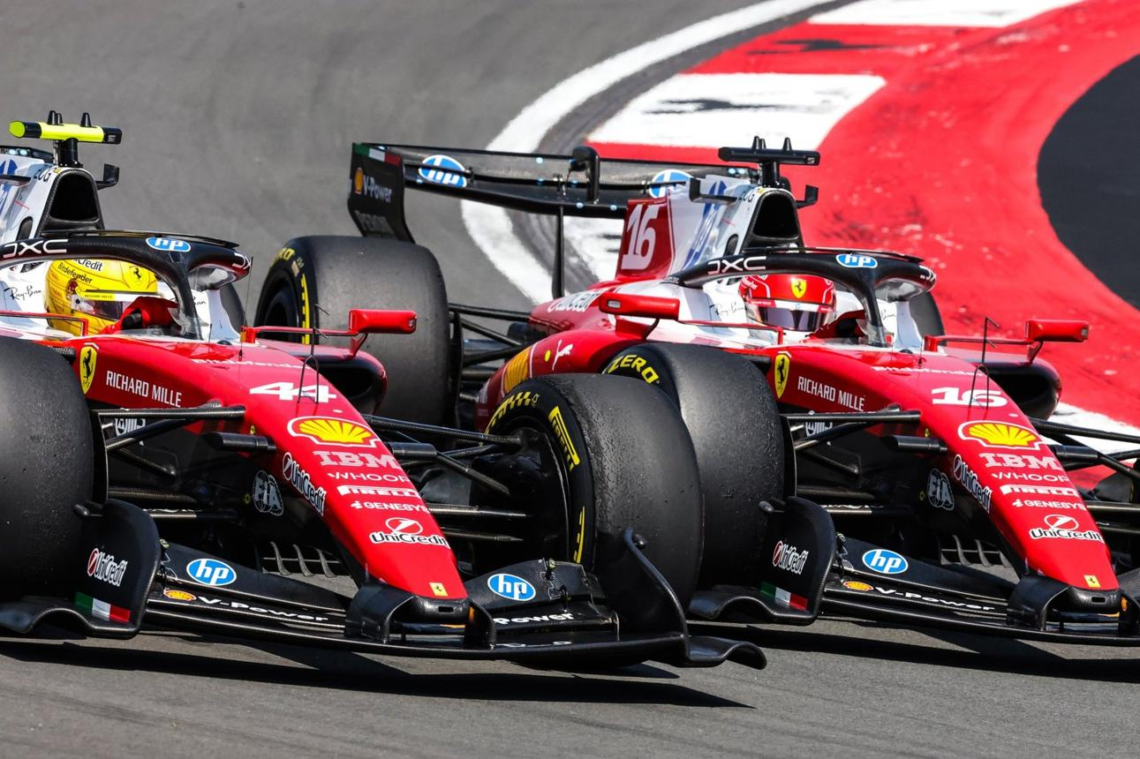
The two Ferraris started third and fourth, with Leclerc ahead of Hamilton.
At the opening chicane, Hamilton attempted to move alongside his teammate. The pair went wheel-to-wheel, with Hamilton running into the gravel on the exit and losing positions.
Leclerc’s race ended on Lap 2 when he lost control at Parabolica and crashed into the barriers.
Hamilton recovered to sixth, but the damage was already done.
There is an important distinction here: Leclerc’s subsequent crash was not established as a consequence of the Hamilton incident. He described an unusual throttle response that the team needed to investigate.
Nevertheless, the opening-lap battle was an entirely avoidable risk between teammates.
Hamilton subsequently called on Ferrari to change how it communicated and managed its drivers.
Mexico – November 1: The most expensive argument of the season
Mexico was perhaps the clearest example of Ferrari surrendering a potential victory through its own internal competition.
Hamilton started from pole position, with Leclerc alongside him in third.
Ferrari had the opportunity to establish control of the race, potentially maintaining its positions and forcing Red Bull and Max Verstappen to find another way around the two red cars.
Instead, the teammates fought aggressively into Turn 4.
Both ran wide, Hamilton lost ground, and Verstappen capitalised.
The opening-lap confrontation effectively opened the door for the Red Bull driver to take victory.
The Race published a particularly critical assessment of the incident, with several contributors arguing that Ferrari had allowed its drivers too much freedom without establishing the necessary boundaries.
There was disagreement over how responsibility should be divided. Some blamed Leclerc’s aggressive move, while others pointed to Hamilton’s decision to run wide.
But the bigger issue was Ferrari’s failure to protect its position as a team.
A potential Ferrari 1-2 had become a race in which Verstappen was handed the advantage.
This was not simply a bad strategy call. It was a failure of race management involving both drivers.
The Race +1
2\. The pit wall: When Ferrari’s decisions become the problem
Ferrari’s pit wall has faced criticism for years, and 2026 has provided several opportunities to revisit the conversation.
However, it would be unfair to attribute every lost position or missed victory to strategy.
Some races were lost because Mercedes simply had a faster car. Others were compromised by driver errors, mechanical problems or circumstances outside Ferrari’s control.
But there are several occasions when the team’s decisions deserve serious scrutiny.
Australia – March 8: The first strategic opportunity missed
Ferrari began the season with considerable promise.
Leclerc had made an excellent start, moving from fourth into the lead, while Hamilton was also fighting near the front.
Then a Virtual Safety Car presented Ferrari with an opportunity to change its strategy.
Mercedes took advantage of the situation. Ferrari elected to keep both drivers out, believing it was too early to commit to a one-stop strategy.
When the Ferraris eventually pitted under normal racing conditions, they lost valuable time and surrendered the advantage to Mercedes.
Leclerc finished third and Hamilton fourth.
Ferrari still collected valuable points, but the decision raised an early question: was the team being too conservative when opportunities presented themselves?
The official Formula 1 race report identified the missed VSC opportunity as a significant strategic moment.
Formula 1® – The Official F1® Website +1
British Grand Prix – July 5: Hamilton loses a position under the Safety Car
Silverstone was a successful weekend for Ferrari, with Leclerc taking victory.
Hamilton, however, had a frustrating finish.
After recovering from an early five-second penalty for a start infringement, he fought his way back towards the front and was in contention for second.
Then Max Verstappen’s spin brought out a late Safety Car.
Ferrari decided to pit Hamilton for fresh tyres.
The problem was that Mercedes left George Russell out. Hamilton returned behind him and, because the race never restarted, had no opportunity to recover the position.
Hamilton finished third.
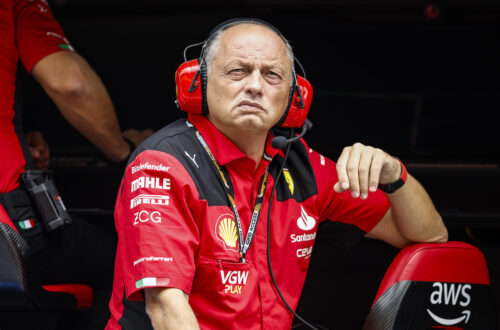
Fred Vasseur defended the decision, explaining that Ferrari wanted both drivers on fresh tyres and that the team believed Hamilton could still challenge Russell if racing resumed.
It was a difficult strategic call, not necessarily an obvious blunder.
But it cost Hamilton a second-place finish and valuable championship points.
Importantly, it did not cost Ferrari the victory. Leclerc had already secured that.
Formula 1® – The Official F1® Website +1
### Zandvoort – August 23: Confusion over strategy and communication
Ferrari finished fourth and fifth in the Netherlands, but the result could have been stronger.
Hamilton was frustrated by the delay in allowing him to pass Leclerc while running on a different strategy.
Ferrari also admitted that its communication had been deliberately limited to avoid revealing its strategy to competitors.
Vasseur explained that the team had been attempting to adapt to changing tyre conditions and the evolving race.
The problem was that the drivers were left with an incomplete understanding of what Ferrari was trying to achieve.
This was not necessarily a case of a bad strategic decision. It was a case of poor communication making an already complicated situation worse.
Formula 1® – The Official F1® Website +1
Singapore – October 11: Hamilton ignores the pit
This was one of the clearest examples of a driver directly undermining Ferrari’s race strategy.
Hamilton was running third behind Leclerc when a Virtual Safety Car created an opportunity for both Ferraris to pit.
The team called both drivers in.
Leclerc followed instructions.
Hamilton did not.
He missed the pit entry and subsequently decided to remain on track, hoping to preserve his position rather than surrender places for fresh tyres.
It backfired.
His tyres deteriorated during the closing stages, allowing Kimi Antonelli, Lando Norris and Oscar Piastri to pass him.
Hamilton finished sixth instead of what Ferrari believed could have been a second-and-third-place finish.
Vasseur was particularly direct after the race, describing Hamilton’s decision as a mistake.
Hamilton also accepted responsibility, apologising to the team over the radio.
This is an important distinction: Singapore was not a pit-wall error. Ferrari had made its decision, communicated it and expected the driver to execute it.
Hamilton chose otherwise.
Sky Sports +1
Bahrain – October 4: A wrong call at the start
Ferrari’s Bahrain Grand Prix, held at Sepang in Malaysia on the 2026 calendar, began with a questionable tyre decision.
The team opted for slick tyres in conditions that ultimately favoured intermediates.
Leclerc also suffered first-lap contact with Nico Hulkenberg, requiring an early stop and a front-wing change.
Hamilton and Leclerc recovered to finish third and fourth, but the team principal acknowledged that the wrong starting call had compromised the afternoon.
Vasseur also highlighted a lengthy pit stop.
It was a recovery operation rather than a race-winning performance.
Formula 1® – The Official F1® Website
### So, did Ferrari’s pit wall actually throw away victories?
There is an important distinction between losing a Grand Prix and losing a position or podium.
The clearest strategic opportunity missed was Australia, where Ferrari surrendered track position after choosing not to pit under the VSC.
Silverstone cost Hamilton second place, not the victory.
Singapore cost Hamilton a podium, but that was primarily his own decision.
Bahrain compromised Ferrari’s result, but there is insufficient evidence to claim the team would otherwise have won.
Mexico is the strongest example of Ferrari losing a realistic opportunity to control a race, but the decisive error came from the drivers’ opening-lap battle rather than a confirmed pit-wall strategy failure.
The criticism of Ferrari’s race management is justified. Claiming that every one of these races was a victory thrown away by the strategists would not be.
3\. Where the SF-26 actually performed best in 2026
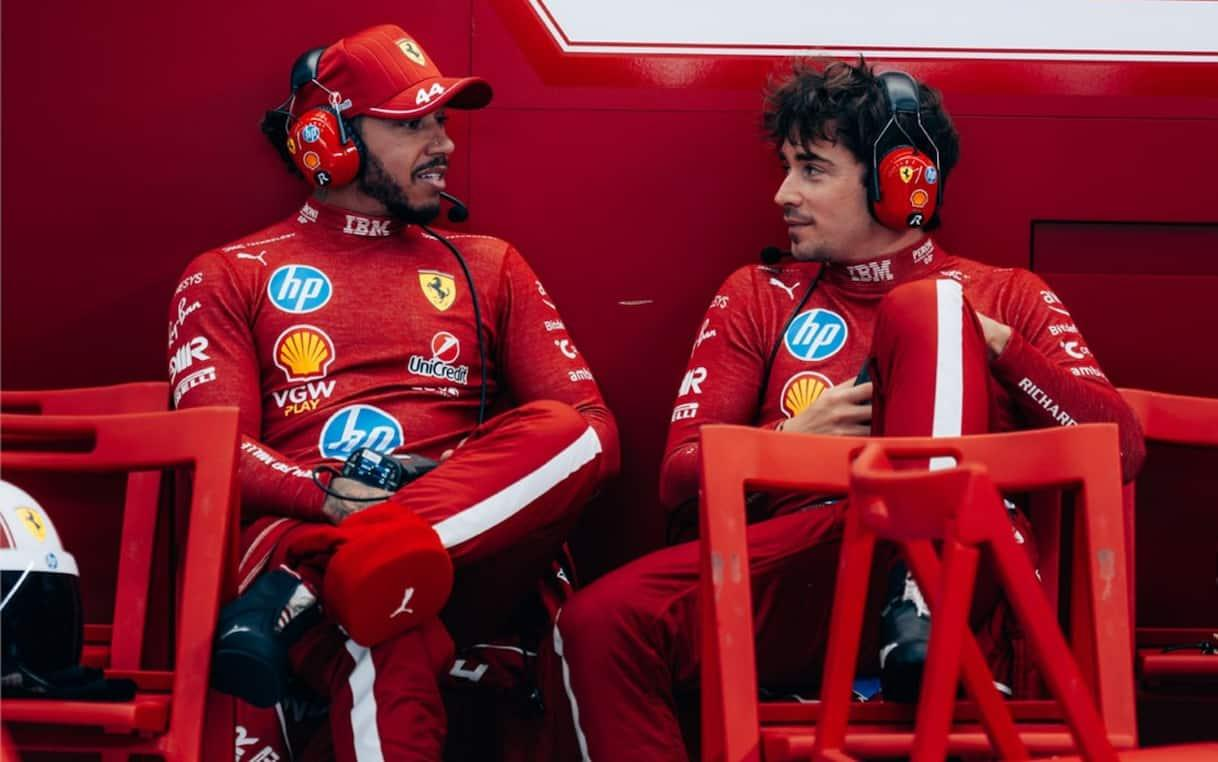
Strip away the arguments, radio exchanges and strategic controversies, and there is something worth remembering: the SF-26 is a considerably more competitive machine than its predecessor.
Ferrari’s decision to prioritise the 2026 regulations early appears to have paid off.
The team has secured two Grand Prix victories and has repeatedly finished on the podium.
Looking at its results through the Brazilian Grand Prix, these are the circuits that stand out.
### The strongest Ferrari weekends
| Grand Prix | Best Ferrari result | Points scored |
| ————- | ———————– | ————- |
| Great Britain | Leclerc P1, Hamilton P3 | 51 |
| China | Hamilton P3, Leclerc P4 | 40 |
| Singapore | Leclerc P2, Hamilton P6 | 39 |
| Canada | Hamilton P2, Leclerc P4 | 37 |
| United States | Leclerc P2, Hamilton P4 | 30 |
| Belgium | Leclerc P2, Hamilton P4 | 30 |
| Mexico | Hamilton P2, Leclerc P4 | 30 |
Source: 2026 Ferrari race results, through São Paulo, November 8. Pitwall +1
1\. Silverstone – Great Britain
Race winner
Silverstone was arguably Ferrari’s most complete weekend of the season.
Leclerc started second, took the lead early and managed the pressure from Antonelli.
Mercedes appeared to have an opportunity to challenge for victory, but a wheel-shield issue compromised Antonelli’s race.
Leclerc took advantage and delivered Ferrari its second win of the season, with Hamilton completing the podium in third.
The Scuderia collected 51 points across the weekend’s Grand Prix and supporting Sprint events.
2\. Barcelona-Catalunya – Spain
Hamilton’s first Ferrari victory
Barcelona was an important moment for Hamilton and Ferrari.
The seven-time champion delivered a commanding performance to secure his first Grand Prix victory in Ferrari red.
It was also an important demonstration of the SF-26’s potential.
Unfortunately, Leclerc’s qualifying crash and subsequent hydraulic failure meant Ferrari could not maximise the weekend with both cars.
3\. Singapore – Marina Bay
Strong race pace
Singapore demonstrated that Ferrari could remain competitive on a demanding street circuit.
Leclerc finished second behind Verstappen, while Hamilton’s sixth-place result was heavily influenced by his decision to remain out under the VSC.
Ferrari had sufficient pace to secure a double podium.
That makes Hamilton’s mistake particularly frustrating.
4\. Canada – Circuit Gilles-Villeneuve
Canada was another encouraging weekend.
Hamilton finished second, while Leclerc secured fourth.
Ferrari collected 37 points, demonstrating that the SF-26 could perform well on a circuit requiring strong braking performance, traction and good acceleration out of slower corners.
5\. Belgium – Spa-Francorchamps

* [Formula 1 – Ferrari’s 2026 half-term report](https://www.formula1.com/en/latest/article/half-term-report-ferraris-best-and-worst-moments-from-2026-so-far-and-driver-head-to-heads.15yr3uIrZEu25KACsnEu1o?utm_source=chatgpt.com)
* [The Race – Ferrari’s Mexican Grand Prix driver confrontation](https://www.the-race.com/formula-1/a-ferrari-1-2-thrown-away-our-verdict-on-latest-leclerc-hamilton-spat/?utm_source=chatgpt.com)
* [Sky Sports – Hamilton’s Singapore strategy decision](https://www.skysports.com/f1/news/13597653/lewis-hamilton-apologises-to-ferrari-for-costly-decision-to-override-strategy-call-during-singapore-gp?utm_source=chatgpt.com)
* [Formula 1 – Australian Grand Prix strategy review](https://www.formula1.com/en/latest/article/what-the-teams-said-race-day-in-australia-2026.1uqgmKjDMHI81ZPeEgGNsr?utm_source=chatgpt.com)
* [Formula 1 – Hamilton calls for changes after Monza](https://www.formula1.com/en/latest/article/weve-got-to-change-things-hamilton-insists-ferrari-have-to-look-at-how-we-communicate-after-italian-gp.312Ngg23bNozPrSmY75RWB.312Ngg23bNozPrSmY75RWB?utm_source=chatgpt.com)
Editorial note: This review covers completed Grand Prix weekends through São Paulo, November 8, and Las Vegas qualifying on November 21. The Las Vegas race, Qatar and Abu Dhabi are not included in the completed-race statistics. Strategic counterfactuals are identified as opportunities rather than confirmed lost victories.
9
9