Leonardo DiCaprio’s $1.75 Million Caribbean Island: The Dream of a Restorative Luxury Escape
Luxury | Travel | Sustainability | Real Estate
The ambition was impressive. The execution, however, has proved considerably more complicated.
### An island in the heart of the Caribbean
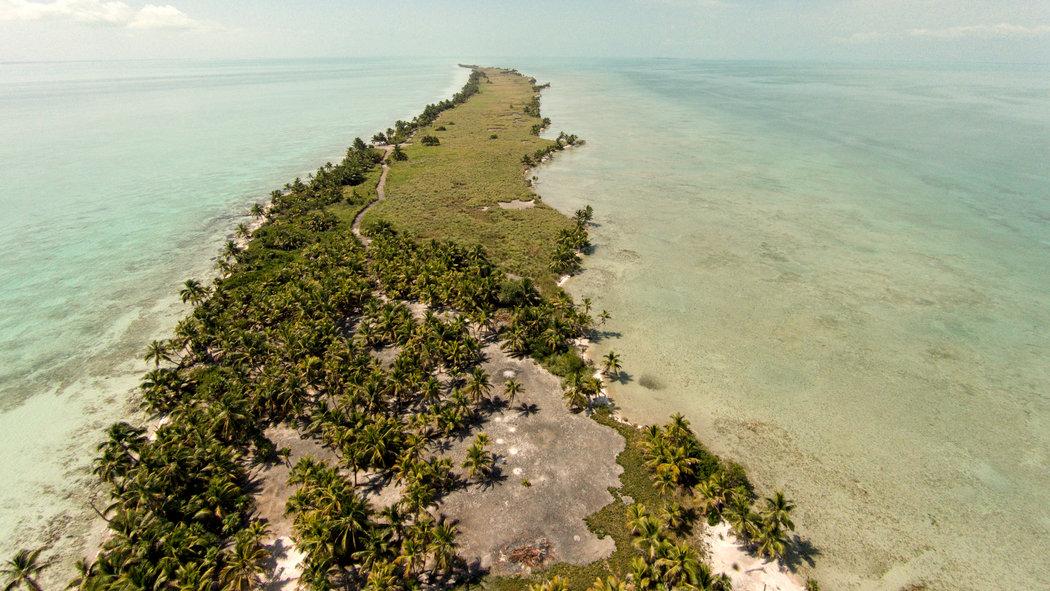
Located west of Ambergris Caye, near the coast of Belize, Blackadore Caye sits within reach of the Belize Barrier Reef, one of the most important marine ecosystems in the region.
The approximately 104-acre island attracted DiCaprio during a visit to Belize in 2004. He was reportedly introduced to the property while staying at Cayo Espanto, an exclusive island resort owned by hotelier Jeff Gram, who would later become his partner in the acquisition.
The reported $1.75 million purchase in 2005 represented an opportunity to do something different with a relatively small piece of Caribbean real estate.
Blackadore Caye, however, was not without environmental problems. Coastal erosion, the loss of mangroves, deforestation and overfishing had affected the island and its surrounding waters.
For DiCaprio, those problems became part of the project’s purpose.
Rather than simply developing another luxury resort, the intention was to create a destination where environmental restoration would be central to the experience.
Blackadore Caye: A Restorative Island
In 2015, DiCaprio formally introduced the concept behind the development, bringing in Paul Scialla, founder of New York-based wellness and real estate company Delos.
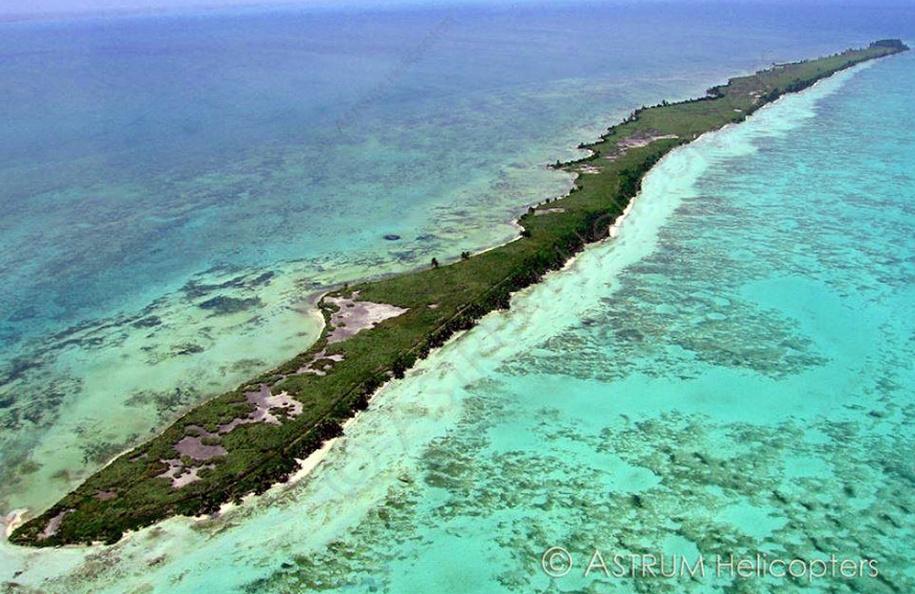
The project was given the name Blackadore Caye, A Restorative Island.
The distinction between a sustainable resort and a restorative one was important. Sustainability generally aims to reduce the environmental damage associated with development. Restoration goes further, attempting to improve the condition of an ecosystem that has already suffered damage.
The original plans were ambitious:
* 36 luxury resort bungalows.
* 36 private beachfront villas, intended for sale.
* Solar-powered infrastructure and renewable energy.
* Rainwater collection and treatment systems.
* Waste-management measures designed to minimise environmental impact.
* Permaculture gardens and native vegetation.
* Mangrove restoration and marine habitat improvements.
* A research facility focused on climate change and the surrounding ecosystem.
There were also proposals for artificial reefs, fish shelters and conservation areas intended to support marine biodiversity.
The architectural vision was equally ambitious. Rather than placing a conventional hotel in the middle of a tropical island, the development was intended to integrate accommodation into the natural landscape.
The original investment concept was expected to attract a particular type of traveller: someone willing to pay for exclusivity, privacy and a luxury experience while participating in a broader environmental initiative.
The development was initially expected to welcome its first guests in 2018. Contemporary reporting in 2015 documented the plans and the anticipated opening. architectmagazine.com +2
When luxury meets environmental responsibility
There is a particularly important reason why mangrove restoration featured so prominently in the proposal.
Mangroves are not simply coastal vegetation. Their extensive root systems help stabilise shorelines, trap sediment and provide important nursery habitats for marine life. They also contribute to carbon storage and help protect vulnerable coastal environments.
For an island situated near the Belize Barrier Reef, protecting the relationship between land and sea is essential.
The challenge is that luxury tourism can place considerable pressure on precisely the environments that make these destinations attractive.
Construction, boat traffic, wastewater management and shoreline modification can all affect marine habitats. A resort cannot credibly claim to restore an ecosystem while overlooking the environmental consequences of its own construction.
That tension would eventually become one of the most important issues surrounding Blackadore Caye.
### The controversy behind the paradise
The development did not receive universal support.
One of the more contentious elements of the original proposal involved overwater accommodation. Although such structures are commonly associated with luxury island resorts, their construction in shallow marine environments can affect sensitive habitats.
Local fishing interests and conservation advocates raised concerns about the potential consequences for marine ecosystems and fishing grounds.
The Bonefish & Tarpon Trust, an organisation focused on the conservation of fisheries and aquatic habitats, publicly addressed the proposal. In 2016, following the developers’ announcement that overwater structures would be removed from the plans, the organisation welcomed the decision while continuing to raise concerns about the associated environmental approval. ECOticias.com +1
It was an important moment for the project.
Blackadore Caye was being marketed around environmental restoration, yet its proposed construction had to withstand scrutiny from people concerned about the very environment it promised to protect.
This is a difficult balance for any luxury development, particularly one situated close to a globally significant marine ecosystem.
### The island that never opened in 2018
![Leonardo’s DiCaprio’s Island Eco-Resort in Belize Passes Environmental Impact Assessment – Will Begin Construction in 2017
The original opening date came and went.
The resort did not welcome guests in 2018, and subsequent reporting has continued to describe the development as unfinished.
The project’s difficulties illustrate the realities of building an ambitious resort on a relatively small, low-lying Caribbean island. Environmental assessments, regulatory requirements, construction logistics and design revisions all add complexity to a development of this nature.
Belize’s Department of the Environment has recorded an approved environmental impact assessment and an environmental compliance plan for the project. However, regulatory approval should not be confused with proof that the resort has been completed or that the proposed restoration has been achieved. ECOticias.com +1
As of November 2026, the available reporting still does not establish that Blackadore Caye has opened to paying guests. Nor is there a reliably confirmed new opening date.
That distinction matters. There is a considerable difference between announcing a conservation programme, obtaining permission to proceed and demonstrating measurable environmental recovery.
A different definition of Caribbean luxury

* [Architect Magazine – Leonardo DiCaprio Builds Eco-Resort in Belize](https://www.architectmagazine.com/technology/leonardo-dicaprio-builds-eco-resort-in-belize/?utm_source=chatgpt.com)
* [EcoTicias – Blackadore Caye and its environmental ambitions](https://www.ecoticias.com/en/leonardo-dicaprio-bought-a-104-acre-island-in-belize-for-1-75-million-and-wanted-to-turn-it-into-an-ecological-paradise-but-nearly-two-decades-later-a-major-question-remains-unresolved/52305/?utm_source=chatgpt.com)
* [Forbes España – DiCaprio’s Island, 20 Years Later](https://forbes.es/en/nautik-magazine/1046858/dicaprios-island-that-promised-to-revitalize-the-caribbean-20-years-later-it-still-hasnt-opened/?utm_source=chatgpt.com)
* [UPI – DiCaprio’s original eco-resort announcement](https://www.upi.com/Entertainment_News/2015/04/06/Leonardo-DiCaprio-to-build-eco-resort-on-his-private-island/5581428299360/?utm_source=chatgpt.com)
Editorial note: The $1.75 million purchase price is reported historical information, not a current valuation. The resort’s proposed features should not be presented as completed facilities or verified conservation achievements.
8
8
8
8