To step onto the flour-dusted floor of a working bakery for the first time is to step into a sensory theater you think you already understand. We all know the golden crunch of a fresh crust; we can all conjure that warm, intoxicating aroma without opening a oven door. Yet, moving behind the counter transforms those cozy sensations into an exacting, unpredictable art form. It marks what we at Dlifestylemagazine.com often call “The Beautiful Terrifying Shift” that precise moment when passive appreciation turns into active creation.

The Alchemy of a Single Medium
Consider flour for a moment. It is deceptively simple, yet utterly infinite. From airy dinner rolls and dense hard dough to delicate sweet pastries and dense penny loaves, flour adapts to whatever intent you force upon it. Consequently, the margins between success and failure in a bakery are razor-thin.
Moreover, the slightest micro-adjustment a tiny tweak in yeast percentage, a fraction of an ounce more sugar, or a shift in butter temperature can alter the entire architecture of a loaf. Experimenting with these subtle variables on the bench today proved one thing: alter the rhythm, and the dough will respond in ways that aren’t always forgiving. Naturally, taking on a new craft brings a flurry of novice questions. Today, I asked “M” a question so simple it almost felt foolish: What’s the best bread you’ve ever eaten?
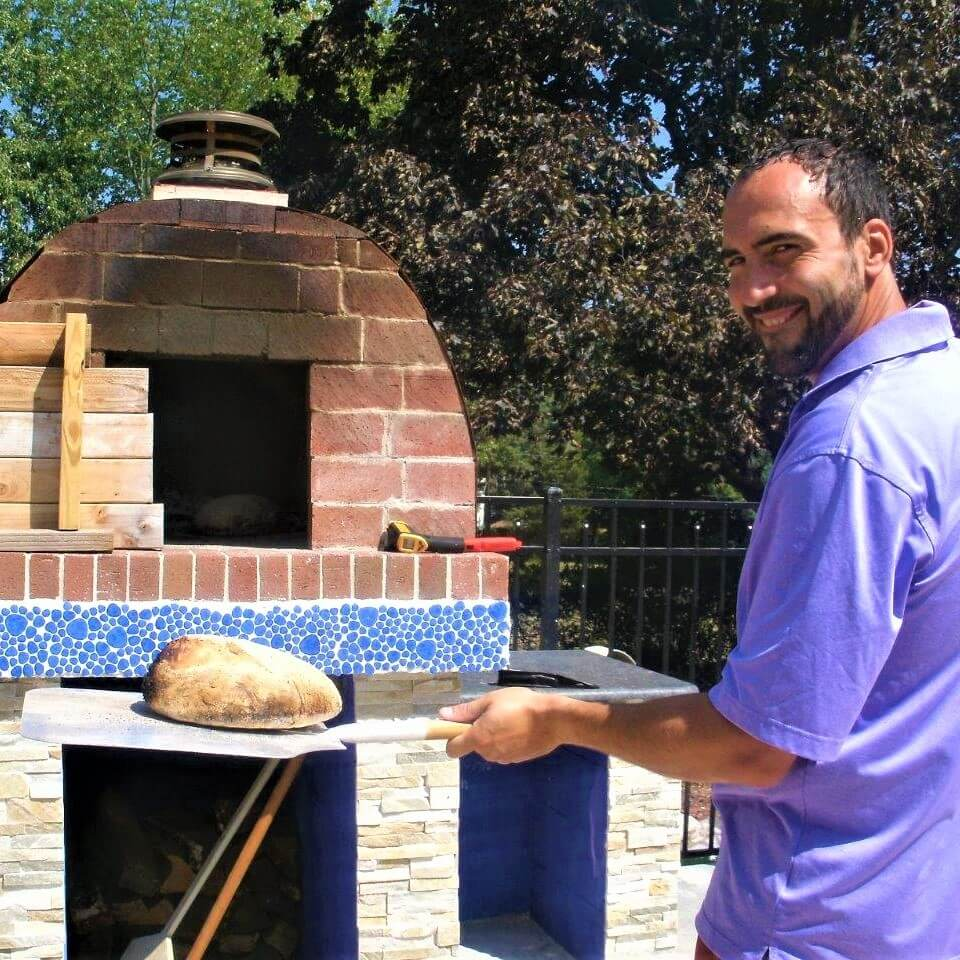
Without missing a beat or blinking, M replied: “The bread that I bake.”
That answer was striking. In an era where so much modern discourse feels like “The Chat: The Silent Game and Our Disconnect,” plagued by endless hesitation and hedge words, M offered an answer anchored in unvarnished conviction. It wasn’t arrogance; it was a pure, refreshing ownership of skill. It reminded me that a loaf of bread, much like a reflective weekend retreat in “The Saturday Morning Reprieve: A Stroll to the Summit with Mika.in.Paris,” requires presence, certainty, and an unwavering commitment to the process.
Furthermore, M’s words forced a realization: bread is only ever as good as the hands that knead it. Despite the high-end deck ovens used in commercial spaces, my own gold standard of bread remains rooted in a far simpler memory.

I was six or seven years old, watching dough rise and bake inside a crude, repurposed iron drum set over an open wood fire. The smoke, the blistered crust, and the crackle of fire created a flavor profile no modern convection oven can replicate. Yet, across the globe from Michelin-starred dining rooms celebrating life’s milestones (much like the joy in “Mazel Tov, She’s Pregnant”) to tiny neighborhood bistros top restaurants still rely on the quiet, daily ritual of the local baker to anchor their menus. Flour remains the universal constant.
The Unbroken Thread
Ultimately, there may be nothing entirely “new” to say about flour, yeast, and water. People have been kneading, baking, and breaking bread for millennia. But that is precisely what makes the craft so compelling.
When you hear that unmistakable crunch or catch that sudden wave of baking bread on a cold morning, what childhood memory resurfaces for you? For me, it will always be an old iron drum on a wood fire. We may not have invented the medium, but every time we step up to the bench, we get to tell the story all over again.
And yes, this was about flour.