The last three decades have witnessed the most radical shifts in automotive history. We’ve seen mechanical simplicity give way to digital wizardry, environmental mandates reshape propulsion, and the boundary between track machines and road cars become increasingly blurred.
Evaluating the absolute best cars of the last 30 years requires looking beyond raw spreadsheets and horsepower figures. It demands recognizing cultural icons, engineering marvels, and revolutionary disruptors.
The Uncompromising Pureblood: Nissan GT-R (Race Spec)
While the road-going R35 earned the nickname “Godzilla” for obliterating supercars at a fraction of their price, the true essence of Nissan’s modern motorsport engineering is found when you strip away the license plates. Untethered by civilian road regulations, the track-only variants—like the dominant GT-R NISMO GT3 and the brutal Super GT GT500 specification—represent the absolute apex of the GT-R legacy.

In pure racing trim, the GT-R transformed from a heavy, tech-laden street cruiser into a distilled, lightened weapon. The GT500 variants swapped out the heavy all-wheel-drive system for a pure rear-wheel-drive configuration and carbon-fiber monocoques, capturing 41 race wins and cementing the platform as one of the most successful GT machines in history. It is the ultimate manifestation of Japanese racing pedigree over the last 30 years.
The Sonic Masterpiece: Lexus LFA
If the GT-R is cold, calculated execution, the Lexus LFA is raw, emotional art. Born from a decade-long development process where Toyota famously scrapped an aluminum chassis halfway through to start over with carbon fiber, only 500 units of this boutique supercar were ever built.

At its heart sits the 1LR-GUE 4.8L naturally aspirated V10, engineered in tandem with Yamaha’s music division. The engine revs from idle to its 9,000 rpm redline in a staggering 0.6 seconds—so fast that a physical needle couldn’t keep up, forcing Lexus to invent the digital TFT instrument cluster. The exhaust note isn’t just noise; it was acoustically tuned via surge tanks and cabin ports to channel a high-pitched, Formula 1 howl directly to the driver’s eardrums. The LFA remains a flawless testament to what happens when engineers are given a blank check and zero corporate restrictions.
The Unforgiving Analog Apex: Porsche Carrera GT
Before modern hypercars relied on hybrid batteries and lightning-fast dual-clutch gearboxes, Porsche built the ultimate analog swan song: the Carrera GT.

The Carrera GT is a Le Mans prototype disguised as a targa roadster. Its 5.7L naturally aspirated V10 was originally destined for an abandoned footwork Formula 1 project, then a Le Mans prototype, before finally finding a home behind the cockpit of this carbon-fiber masterpiece. Generating 612 horsepower without a single turbocharger, it is paired exclusively to a traditional 6-speed manual transmission and a notoriously unforgiving twin-plate ceramic clutch. With no electronic stability control to save you, the Carrera GT demands absolute respect and stands as the most rewarding, visceral driver’s car of the 21st century.
The Everyday Hero: Audi R8
The Audi R8 completely redefined what a mid-engine supercar could be. Launched in 2006, it took the exotic blueprint—cab-forward design, striking side blades, and a visible mid-mounted engine—and paired it with Audi’s legendary Quattro all-wheel-drive system and daily-driver ergonomics.

While the original V8 was spectacular, the definitive era of the R8 belongs to the 5.2L FSI V10. Sharing its architecture with Lamborghini, the R8 offered a howling, high-revving Italian heart packaged inside a refined, German-engineered chassis. It was a supercar you could confidently drive through a torrential downpour, take to a grocery store, and then unleash on a racetrack on the weekend. As production of the R8 recently came to a close, it marked the end of an era for the accessible, naturally aspirated everyday supercar.
The Paradigm Shift: Toyota Prius
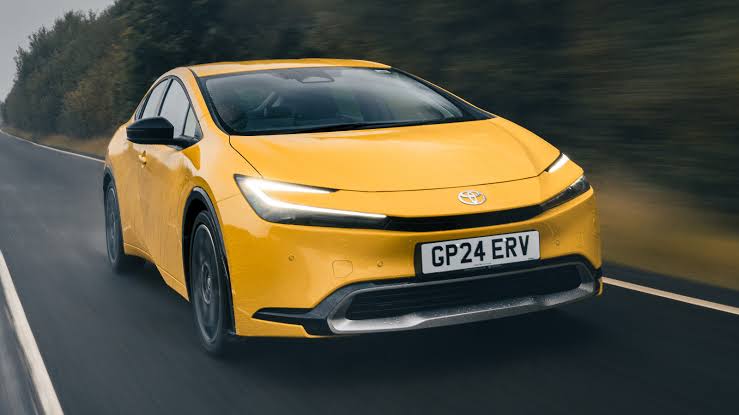
It is impossible to write a definitive history of the last 30 years of automotive excellence without honoring the car that fundamentally altered the global landscape: the Toyota Prius.While it won’t break lap records at the Nürburgring, the Prius is an engineering triumph of efficiency and packaging. It forced the entire automotive industry to rethink fuel economy, battery management, and urban mobility. From its humble, quirky beginnings in the late ’90s to the sleek, high-efficiency modern generations, the Prius proved that a car doesn’t need a V10 to change the world.