There is a distinct, intoxicating magic that settles over West Sussex every summer. It smells of unburnt race fuel, scorched rubber, and freshly cut grass. It sounds like the unholy marriage of high-revving V10s and the silent, violent hum of modern electricity. This is the Goodwood Festival of Speed—part high-society garden party, part high-octane sensory assault.
The hillclimb asphalt has seen some truly jaw-dropping machinery tearing past the flint walls of Goodwood House. Here is a look at the absolute showstoppers that defined the tarmac, the glaring omission that had everyone talking, and a journey back into why this global phenomenon exists.
The Stars of the Asphalt
The Lexus LFA Successor
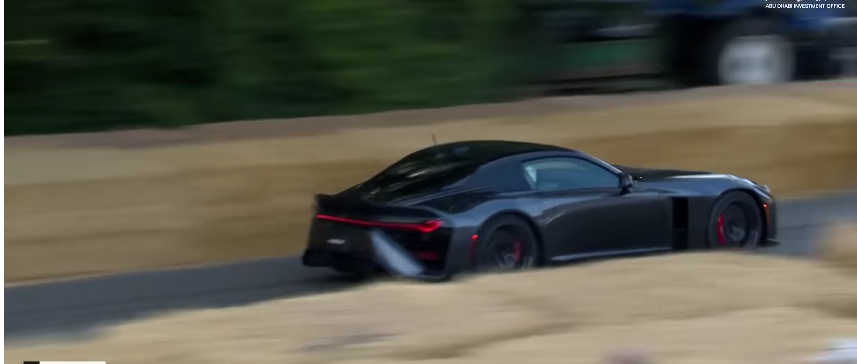
For automotive purists, the original Lexus LFA and its screaming, Yamaha-tuned V10 is a holy relic. Seeing what appeared to be its spiritual successor take to the Goodwood asphalt was nothing short of surreal. Shifting the legacy from internal combustion toward a low-slung, electrified future, this sculptural concept retained the LFA’s long-hood beauty while hinting at a mind-bending sub-two-second $0-60 mph time.

Hennessey Venom F5
If the LFA successor represents the quiet future, the Hennessey Venom F5 is a roaring, defiant middle finger to it. Watching this apex predator unleash its twin-turbo V8, pumping out a terrifying 1,817{ horsepower} up the narrow, English driveway, was pure, unadulterated drama.
Lanzante 95-59
Lanzante has a reputation for turning the extreme into the legendary. The Lanzante 95-59 kept that tradition flying high. A masterclass in bespoke engineering, this track-focused monster looked utterly glued to the tarmac, attacking the Goodwood corners with aggressive aero and surgical precision.

The New Toyota GR GT
Toyota Gazoo Racing brought serious homologation energy to the hillclimb. The striking new GR GT road car and its raw, GT3-spec race sibling took turns assaulting the track. Powered by a roaring twin-turbo V8 wrapped in an aggressive body frame, this flagship looked less like a traditional sports car and more like a pure endurance racer that had escaped the grid at Le Mans.

The Chinese Invasion: Denza Z9GT & Yangwang U9 Extreme
China’s automotive giants completely disrupted the weekend with raw electric force:
- Denza Z9GT: This sleek, tri-motor electric grand tourer pushed close to 1,000 { horsepower}, effortlessly masking its size as it danced up the hill.

- Yangwang U9 Extreme: Billed as a pinnacle of production electric speed, the U9 Extreme used its radical active suspension control and immense quad-motor power to rocket past the spectators like a silent bullet.

The Amalfi
Amidst all the cutting-edge hypercars and million-dollar prototypes, there was a deeply visceral, spine-tingling moment seeing the legendary Amalfi race car attack the Goodwood track. Its historic silhouette, the distinct, mechanical note of its vintage engine, and the sight of the driver fighting the steering wheel gave everyone trackside a profound appreciation for old-school motorsport bravery.

The Omission: Where was the Genesis Magma GT?
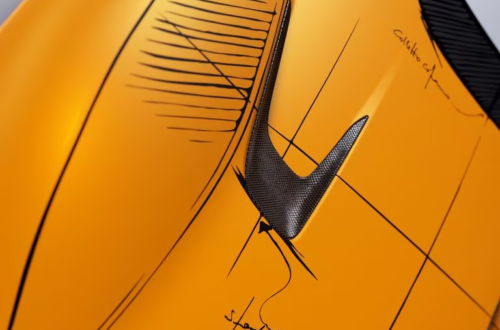
Every year, Goodwood serves as the ultimate litmus test for the world’s most anticipated cars. Many enthusiasts fully expected the striking Genesis Magma GT concept to finally break out of the showroom and stretch its legs on the hillclimb—especially following the brand’s massive motorsport push at Le Mans.
Yet, one of the most visually stunning and heavily discussed cars of 2026 was nowhere to be found on the moving entry list. While its absence left a noticeable, burning-orange void in the Supercar Paddock, it only heightened the anticipation for when Genesis will finally unleash its Magma performance division onto live tarmac.
The History: Built on a Dream and a Broken Permit
To understand why these cars are flying up a narrow driveway in West Sussex, you have to look back to 1993.
Who Created It?
The Festival of Speed is the brainchild of Charles Gordon-Lennox, then known as the Earl of March (now the 11th Duke of Richmond).

The Gordon-Lennox family had motorsport in their blood. The Duke’s grandfather, the 9th Duke of Richmond, had opened the famous Goodwood Motor Circuit in 1948, hosting legendary races until it closed its doors to contemporary racing in 1966 because it could no longer keep up with rising safety speeds.
Why Was It Made?
When Charles Gordon-Lennox took over the management of the 12,000-acre estate in the early 1990s, his ultimate dream was to bring historic motor racing back to the original Goodwood Circuit. However, he hit a massive roadblock: he did not have the necessary planning permits to host a race event at the track.
Refusing to take “no” for an answer, he looked closer to home—literally. If he couldn’t race on the circuit, he would host an event on his own front lawn.
“If we could run a competitive event using the park roads, we would discover how much Goodwood still meant to enthusiasts.”
— The Duke of Richmond
The Birth of the Hillclimb
On Sunday, June 20, 1993, the very first Festival of Speed was held. The concept was a simple, 1.16-mile uphill sprint past Goodwood House. The Duke and his organizers expected a modest turnout of perhaps a few thousand people. Instead, despite a date clash with the 24 Hours of Le Mans, over 25,000 spectators flooded the gates.
The event bypassed the sterile, distant nature of modern Formula 1 tracks. There were no massive gravel traps or miles of chain-link fences. It was just historic cars, iconic drivers, straw bales, and fans standing close enough to feel the heat radiating off the engines.
What started as a creative workaround for a missing track permit has evolved into the world’s premier celebration of car culture—a place where the past, present, and unwritten future of speed meet on a single strip of British asphalt.