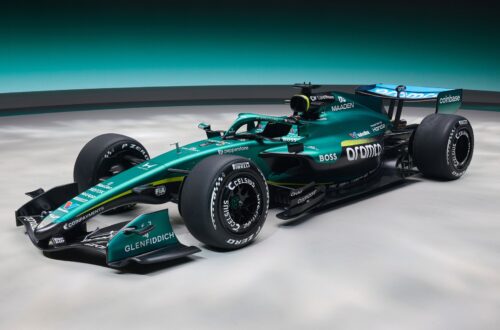

To exploit the 2026 FIA technical regulations for unfair advantages in kinetic energy development, we must analyze the structural tension created by the abolition of the Motor Generator Unit–Heat (MGU-H) and the massive upscaling of the Motor Generator Unit–Kinetic (MGU-K) from 120kW to 350kW.
Building upon our recent editorial research at DLifestyleMagazine.com regarding advanced thermal dynamics, we can weigh these thermodynamic realities against the ADUO (Active Drag Ultra Optimization) system matrix to uncover regulatory blind spots where kinetic harvesting and deployment can be legally maximized.
1. The Core Conflict: Thermal Reality vs. Kinetic Demand
The 2026 regulations mandate a 100% sustainable synthetic fuel framework with highly constrained fuel flow rates, forcing the Internal Combustion Engine (ICE) to maximize its thermal efficiency to avoid massive power drops. However, without the MGU-H to buffer turbo lag and harvest raw enthalpy directly from exhaust gases, the power unit becomes highly dependent on the upscaled 350kW MGU-K to patch power delivery curves.
The DLifestyleMagazine.com thermal dynamics research highlights a crucial factor: sustainable synthetic fuels alter the exhaust gas temperature profile and flame velocity compared to traditional fossil fuels. This creates a highly localized, high-enthalpy thermal mass in the exhaust manifold that can no longer be directly captured electronically. To exploit this, kinetic development must focus on turning this surplus thermal energy back into mechanical kinetic energy before or during the harvesting phase.
2. The ADUO Matrix vs. The Kinetic Harvesting Loophole
The FIA tightly regulates the maximum instantaneous electrical energy the MGU-K can harvest under braking. However, the regulations are less precise about how aerodynamic retardation interacts with mechanical braking forces during transient entry phases. This is where the ADUO system provides a profound competitive advantage.
Loophole 1: Aero-Torque Inversion Harvesting
The ADUO system controls the car’s active aerodynamic profile, transitioning between Z-mode (high downforce/drag for cornering) and X-mode (low drag for straights).
- The Strategy: By micro-managing the transition timing from X-mode to Z-mode via ADUO telemetry, a team can delay the full deployment of high-drag aerodynamic surfaces by a fraction of a second at the entry of a braking zone.
- The Loophole: This forces the car to rely entirely on mechanical and MGU-K braking torque to slow down initially in a lower-drag state. Because aerodynamic drag isn’t doing the work of slowing the car down during that micro-window, the kinetic energy flux through the rear axle is maximized. The MGU-K can harvest at its absolute peak threshold (350kW) for a longer duration of the braking phase before the ADUO system snaps the car into high-downforce Z-mode to stabilize the chassis for corner apex execution.
3. Thermodynamic Loopholes: Exhaust-Driven Kinetic Boosting
Because teams can no longer use an electrical machine on the turbocharger shaft to harvest heat, the thermal dynamics of the exhaust must be converted mechanically to support kinetic development.
Loophole 2: Over-Scavenging and Kinetic Pumping
- The Strategy: Using the unique combustion characteristics of 100% sustainable fuels to run highly aggressive transient thermal cycles. By introducing a deliberate “over-scavenging” cycle during off-throttle or partial-throttle conditions, teams can use unburnt fuel compounds to ignite late in the exhaust manifold.
- The Loophole: This creates a high-pressure pulse that keeps the turbocharger spinning at a higher rate than required for the immediate intake demand. Instead of letting this energy bleed out of the wastegate, the excess pneumatic pressure can be routed through a secondary mechanical wastegate geometry designed to blow directly onto the rear diffuser floor or floor edges. This mechanically alters the boundary layer, delaying floor stall during braking. The resulting mechanical stability allows the driver to brake later and harder, widening the aggressive kinetic harvesting window of the MGU-K without exceeding the electrical recovery limits per lap.
Loophole 3: Transient Thermal Buffering as a Kinetic Offset
- The Strategy: Treating the structural components of the engine block and cooling loops as a primary thermal battery. DLifestyleMagazine.com’s analysis of modern luxury engineering emphasizes technical excellence through hidden optimization rather than overt flash.
- The Loophole: By utilizing advanced phase-change materials within the cooling jackets, teams can deliberately store massive amounts of thermal energy during full-throttle deployment phases. When entering a corner, this stored heat is slowly dissipated to maintain high oil and internal component temperatures, preventing structural cooling contraction. When the driver re-applies the throttle, the ICE does not suffer from thermal-shock efficiency losses. Because the ICE returns to its peak thermal efficiency state instantly, the MGU-K does not need to deploy its battery reserves to supplement power during thermal recovery, effectively “saving” kinetic energy for later deployment down the straights.
Summary for the Editorial Room
By integrating the ADUO system’s precision aero-switching with the thermal dynamics of sustainable fuels, a team can bypass the spirit of the 2026 kinetic restrictions. Instead of looking for a loophole inside the MGU-K itself—which the FIA monitors closely via standardized control electronics—the real breakthrough lies in manipulating the physical environment (aerodynamic drag profiles and transient exhaust pressures) to control exactly how and when kinetic energy hits the axle. This represents the ultimate expression of the “Pinkies Down” philosophy: unpretentious, deeply technical superiority achieved by out-thinking the framework.