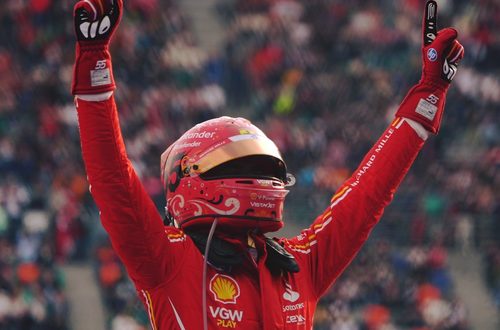
When Carlos Sainz reflects on the monumental task of switching teams in modern Formula 1, he exposes a massive disconnect between paddock romanticism and cold, hard engineering reality. To put it bluntly and not to sound like an asshole the casual assumption that a driver can just jump from one cockpit to another and immediately unlock a car’s potential ignores the astronomical volume of data, trust, and communication that holds an F1 operation together.
Moving teams isn’t just about adjusting a seat model or memorizing steering wheel buttons. It is an intellectual data transfer of massive proportions.

When an elite driver sits in a car, the sheer amount of feedback, technical nuance, and telemetry insight they carry back to their home engineering team is staggering. Over years of working together, a driver and their engineers build an unspoken, ultra-precise level of trust. That relationship extends from the garage floor all the way back to the factory and out to the fanbase.
Who actually wants to break that bond to talk to someone completely new every single week about microscopic handling characteristics? Yes, a driver swap has a solitary upside: a fresh set of eyes might look at a persistent design flaw from a different angle and offer a novel solution. But as a sustainable competitive strategy? It’s barely feasible. The cultural and technical friction of constantly resetting that communication loop is an efficiency killer.
The ADUO Contradiction: Fixing the Rule You Voted For
This friction becomes even more critical as we look toward the massive technical shakeup on the horizon. A primary talking point in the paddock right now is the implementation of ADUO (Active Aerodynamic Upgrades Override / Aero Distribution Utility Optimization). Let’s be clear: the system itself isn’t inherently unfair, but how it is utilized will absolutely make or break a team’s season.

What makes the current paddock whining so insufferable is how we got here. Every single team, manufacturer, and driver sat down around the table and explicitly agreed to these exact 2026 regulations.
The 2026 Power Split Reality:
[================== 50% ==================] -> Internal Combustion Engine (ICE)
[================== 50% ==================] -> Electrical Energy (MGU-K & Battery)
My strong hunch is that when the ink was drying on those rulebooks, the legacy teams decided to hedge their bets on what they already knew best: traditional combustion, smaller engine blocks, tighter frames, and a lower overall allocation toward complex aerodynamics. They treated the electrical side as a secondary afterthought. Nobody paid close enough attention to the sheer complexity of the MGU-K and the battery pack builds.
Now that the simulation data is hitting the computers and everyone finally comprehends that it is a true 50/50 power split, the panic has set in. Teams are suddenly complaining that the active aero overrides could be exploited to grab a massive competitive advantage.
How is that news to anyone?
By its very definition, ADUO is a mechanism designed to offer a lifeline and a performance advantage to the grid-slackers sitting behind the benchmark pace. It exists to artificially tighten the field.
Punishing the Benchmark
Where the regulations cross the line into genuinely bad taste is how they penalize excellence. Under the current structure, the front-runner—the team that actually engineered the benchmark car—loses privileges or is entirely locked out of technical adjustments.
This isn’t a new structural flaw. Historical data from the peak of the Mercedes hybrid dominance shows exactly how the sport tends to handcuff the fastest constructor rather than forcing the rest of the grid to catch up.

But being the fastest on paper means absolutely nothing in this new era if you cannot effectively manage the laws of physics. The 2026 regulations have turned power unit development into an extreme thermodynamic puzzle. The teams that win won’t just have the highest peak horsepower; they will be the ones that master the brutal thermal management required between the internal combustion engine and the battery system. When the electrical assembly is contributing a massive half of your total brake horsepower (BHP), heat rejection and energy harvesting efficiency dictate who stands on the top step.
The teams currently crying foul over active aero and engine regulations aren’t victims of unfair rules. They are victims of their own short-sighted engineering bets—and no amount of driver-market musical chairs is going to fix a fundamental failure to read the rulebook.