The heartbreak at Montmeló has completely shifted the narrative around Kimi Antonelli’s seemingly unstoppable 2026 title march. After stringing together five consecutive victories, the 19-year-old was just three laps away from a second-place finish at the Barcelona-Catalunya Grand Prix when his Mercedes power unit went up in smoke.
While Antonelli comfortably led the championship following a spectacular run through China, Japan, Miami, Monaco, and Montreal, this sudden DNF paired with recent garage data uncovers a worrying trend for the Brackley squad.
Here is a breakdown of Antonelli’s recent reliability woes and the technical issues threatening his championship lead.
The Technical Culprit: Pushing the 2026 PU to the Edge
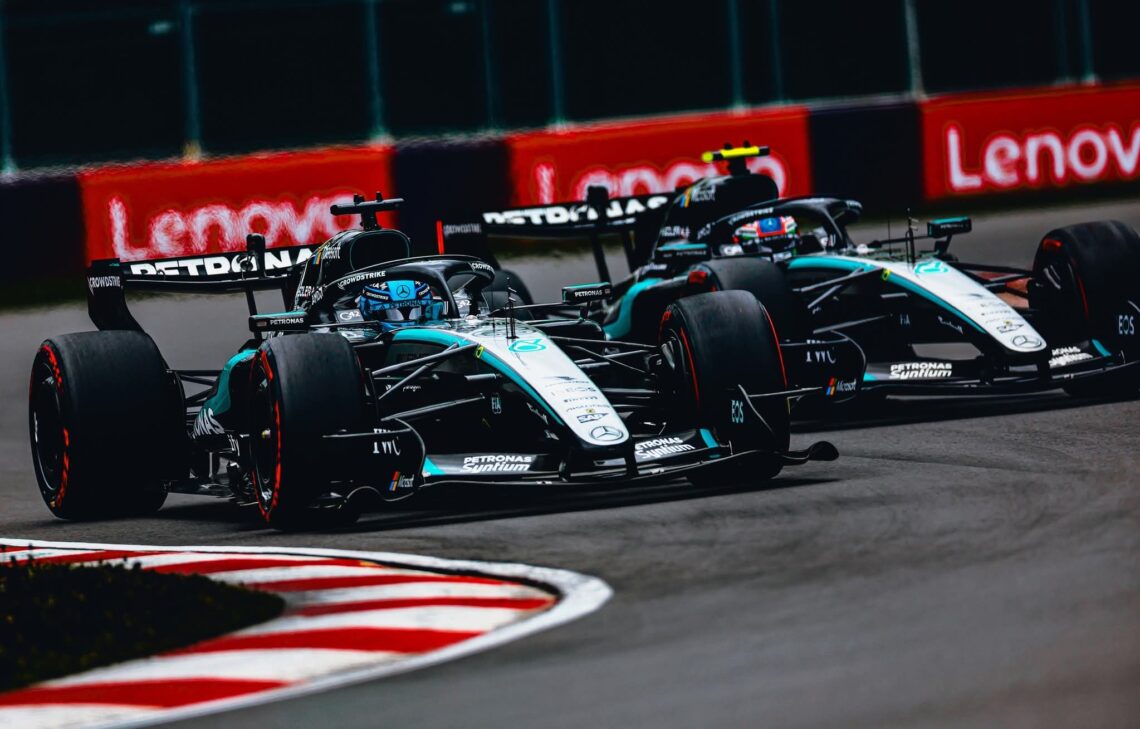
To understand what caused Antonelli’s retirement in Barcelona, you have to look back a few weeks to Canada. In Montreal, his teammate George Russell suffered a spectacular, total electronic blackout on Lap 30 while battling Antonelli for the lead.

The post-race paddock consensus pointed toward an issue that is plaguing multiple teams under the new 2026 engine regulations: MGU-K system strain and inverter failure.
Under the current rules, electrical recovery and hybrid deployment carry a far heavier load of the total power output. To extract maximum performance, Mercedes has run an incredibly aggressive energy deployment strategy. The technical strain seems to show up in two main areas:
- Inverter Component Overheating: Reports suggest that the high-frequency switching inside the inverter—the component that manages the massive flow of electricity between the battery pack and the MGU-K—is hitting critical thermal thresholds.
- The “Yo-Yo” Deployment Conflict: Drivers have openly complained about aggressive race-deployment and massive closing speeds under the 2026 regulations. While Mercedes’ internal combustion engine (ICE) is highly efficient, the electrical harvesting limits under race conditions are forcing the hardware to operate dangerously close to its mechanical tolerances.
In Montreal, Mercedes managed to insulate Antonelli from Russell’s fate by dialing back his power unit maps to a conservative setting once the sister car DNF’d. But in Barcelona, pushing hard in the dirty air behind Lewis Hamilton’s Ferrari, Antonelli’s hardware couldn’t survive the thermal load, giving out just miles from the checkered flag.

The Broader Context: An Ironical Twist in the Upgrade Regulations
The timing of this power unit failure adds a layer of political drama to the paddock. Just days before the Barcelona weekend, it was revealed that the FIA’s internal performance metrics ranked the Mercedes ICE as the second-best on the grid, trailing Red Bull’s power unit by an estimated 2% to 4%.
Because of this deficit, Mercedes is actually eligible for performance upgrades through the FIA’s Additional Development and Upgrade Opportunities (ADUO) mechanism.
While Antonelli admitted he was “surprised” by the ruling given how strong the car has felt, Mercedes engineers now find themselves walking a razor-thin tightrope: they have the green light to chase more top-end performance, yet their core electrical architecture is already melting under the pressure of standard race distances.
Championship Implications
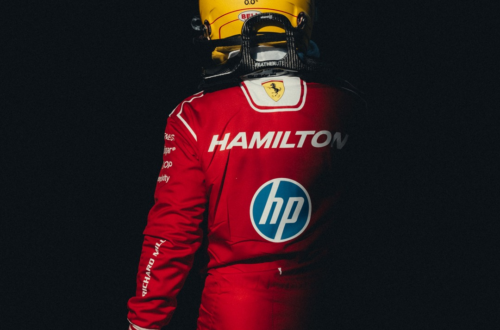
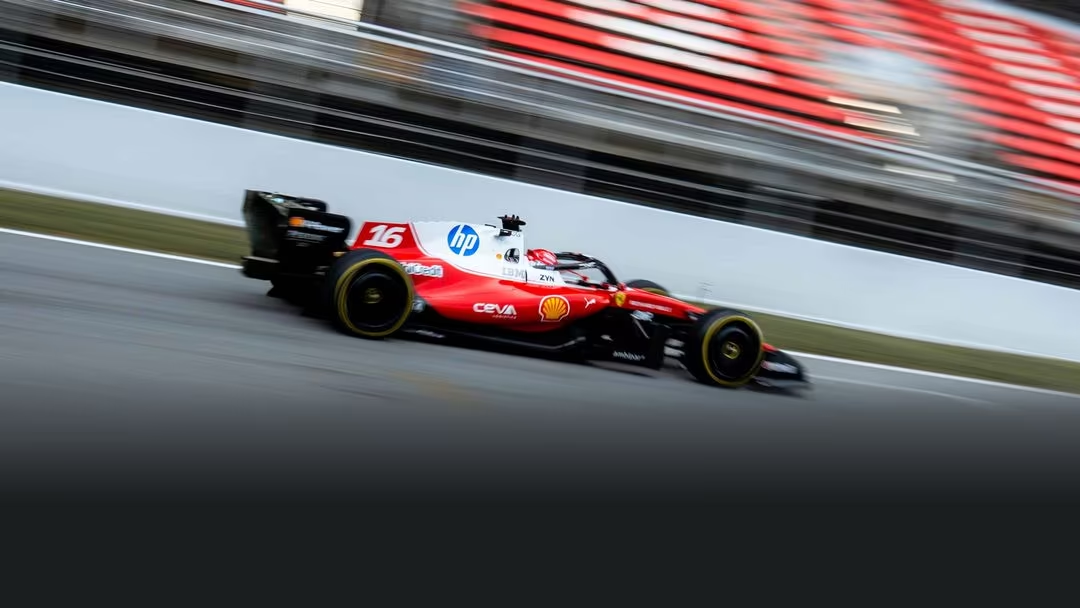
Antonelli’s retirement gifted his former teammate Lewis Hamilton a maiden victory for Ferrari, while Russell inherited second. More importantly, it proved that the W17 has a glass jaw.
The pace is undeniably there—Antonelli and Russell have shown they can lock out front rows and gap the field at will. However, with the European leg of the calendar now in full swing, Toto Wolff and the HPP engine builders in Brixworth have to quickly figure out how to stabilize the MGU-K and inverter reliability before these technical DNFs completely erase Antonelli’s hard-earned points cushion.