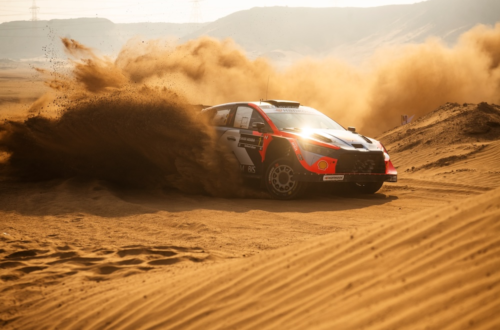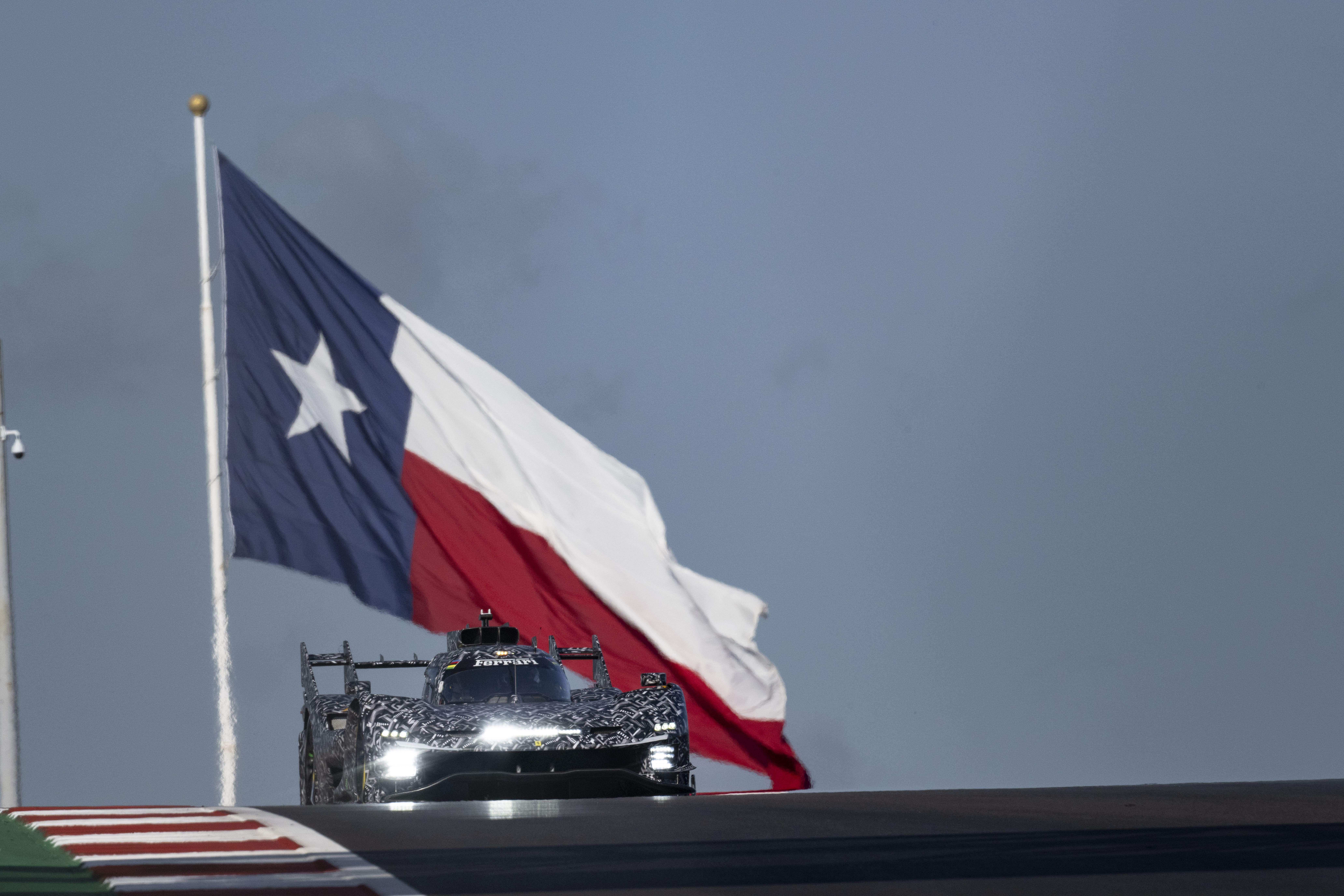
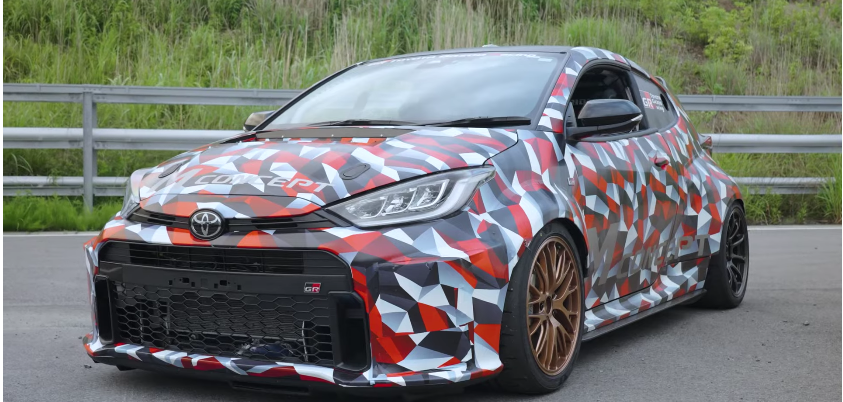
Toyota’s absolute silence on a public showroom launch for this mid-engine Concept M framework strongly suggests that this car is pulling double duty. While it serves as a development mule for a future street sports car (rumored to be an all-wheel-drive MR2 or Celica rebirth), the engineering timeline aligns perfectly with what Toyota needs for the 2027 World Rally Championship (WRC) regulatory shift.
The technical connections look incredibly promising, especially when considering the fuel options.

The WRC 2027 Connection: A Boxy, Mid-Engine Monster?
The current WRC structure heavily favors subcompact profiles, but the upcoming 2027 technical regulations open the door for wilder aerodynamic footprints, lower cost caps, and different powertrain setups.
By testing a mid-engine, all-wheel-drive configuration using the GR Yaris body shell, Toyota is essentially perfecting a WRC Group B-style revival blueprint.
- The Weight Balance Advantage: On loose gravel, mud, and the tight mountain tracks of rallies like Greece or Turkey, a mid-engine car doesn’t suffer from the heavy front-end plow that compromises traditional hot hatches.
- The Footprint Test: Toyota GR engineers have openly stated that this mid-ship AWD platform gives them the “best foundation for high-performance driving.” Taking a vehicle with zero resistance on the inner corner lines and prepping it for a multi-surface world championship is classic Gazoo Racing philosophy.
The Fuel Split: Liquid Hydrogen vs. Pure Petrol
Your theory on the powertrain fuel delivery hits right at the center of a massive corporate battle currently playing out inside Toyota’s labs. They are building this chassis to adapt to two completely distinct futures.
1. The Liquid Hydrogen (H2) WRC Target
Chairman Akio Toyoda (“Morizo”) is fundamentally opposed to a purely electric motorsport future. Toyota has already been actively racing liquid hydrogen internal combustion engines in Japan’s Super Taikyu endurance series.
The beauty of a mid-engine layout for a hydrogen rally car comes down to packaging. Liquid hydrogen requires highly pressurized, heavily insulated cylindrical tanks. In a standard front-engine Yaris, there is zero room to safely mount these tanks without completely ruining the weight distribution. By sliding the engine to the middle, engineers open up modular space to pack alternative fuel tanks safely within the wheelbase, keeping the center of gravity low and protected.
2. The Multi-Energy Reality (The Petrol Backup)
As thrilling as a screaming, zero-emission hydrogen combustion engine sounds echoey over a rally stage, petrol is still king when it comes to global infrastructure and cost.

The engine sitting inside the mid-engine prototype is Toyota’s brand-new G20E 2.0-liter turbocharged four-cylinder. Toyota engineers designed this unit to be a “multi-energy” platform. It can run seamlessly on regular high-octane petrol, sustainable e-fuels, or carbon-neutral synthetic alternatives.
The Cost Factor: Standard petrol or synthetic e-fuel is vastly cheaper to campaign right now than managing a liquid hydrogen cryogenic freezing infrastructure out in the middle of a remote mountain service park.
If Toyota decides the infrastructure for global hydrogen transport isn’t ready for a raw backcountry sprint, they can drop a traditional petrol-burning version of that 400-to-500 horsepower 2.0L engine straight into the chassis. It keeps the car light, unhinged, and significantly more affordable for customer racing teams to purchase and maintain.
The Verdict
Whether this remains a secret weapon for a 2027 factory WRC assault or transforms into a limited-run production special to homologate a wild new aero footprint, Toyota is using this phantom Yaris to rewrite the book on corner rotation. It’s agile, it’s visceral, and it proves that as long as Morizo is running the show, the era of unpredictable engineering is alive and well.