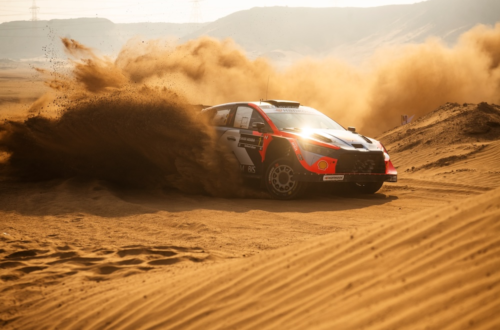
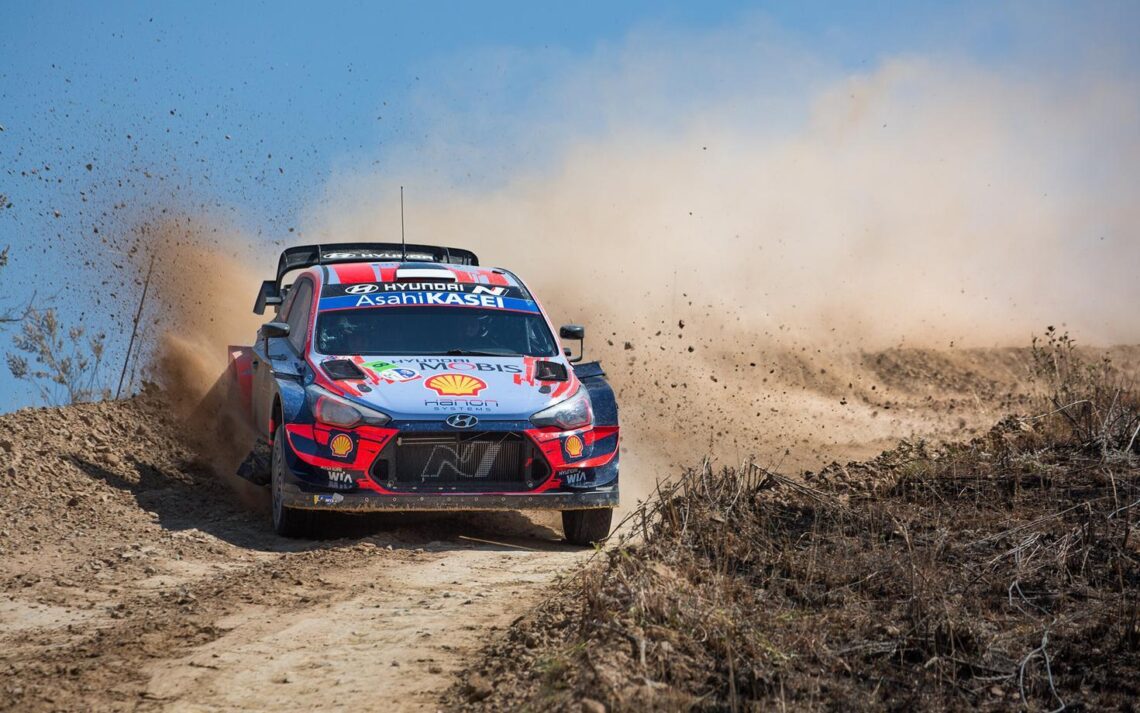
Few events in the history of the FIA World Rally Championship (WRC) have tested the mechanical limits of man and machine quite like Rally Turkey. Known for its punishingly beautiful yet mercilessly brutal terrain, the event has written some of the most dramatic chapters in modern rally history, leaving an indelible mark on the championship’s legacy.

As the WRC transitions into a highly anticipated structural overhaul, the way teams approach punishing landscapes like Turkey’s mountain passes is about to change entirely.
The Landscape: A Tale of Two Regions
Rally Turkey’s identity within the WRC is defined by its transition between two starkly different landscapes, each offering a distinct flavor of gravel warfare.
1. The Antalya Era (2003–2010): The Mountain Torture
When Turkey first joined the WRC calendar in 2003, centered around the Mediterranean resort city of Antalya, it immediately established a reputation for being inherently hostile to rally cars.

Staged high up in the rugged Anatolian mountains near Kemer, the stages were a mix of rocky tracks, narrow cliffside passes, and unpredictable weather. Drivers routinely faced everything from blinding dust storms to torrential downpours that transformed mountain paths into slick clay traps.
2. The Marmaris Era (2018–2020): The Coastal Cauldron
After an eight-year hiatus, the event returned with a completely reimagined base in the southwestern coastal town of Marmaris. While the sparkling Aegean Sea provided a breathtaking backdrop for the service park, the stages themselves were arguably the most destructive the sport had ever seen.

The roads were a combination of fast, undulating forestry tracks and painfully slow, twisty mountain climbs littered with jagged, tire-shredding rocks. Coupled with searing Mediterranean summer heat exceeding 35°C (95°F), the Marmaris era became an ultimate test of survival and strategic patience rather than outright raw pace.
Mechanical Attrition: The Car-Breaker
In modern rallying, where teams build highly technical, high-performance machines designed to fly over crests, Rally Turkey demanded a different design philosophy. It wasn’t about who could go the fastest; it was about whose car wouldn’t shake itself to pieces.
- Chassis and Suspension Failure: The relentless pounding from embedded bedrock and loose boulders put immense stress on dampers and suspension arms. Teams routinely had to reinforce their setups, sacrificing subtle handling nuances just to ensure structural survival.
- Thermal Management: The combination of low ambient airflow on slow, tight uphill sectors and soaring temperatures forced engineers to maximize cooling efficiency. Keeping engine, transmission, and brake temperatures below critical thresholds was a constant battle.
- The Tyre Lottery: The sharp, flint-like stones of the Datça peninsula stages acted like knives. Tire management became the defining strategic element of the rally. Drivers had to delicately balance pushing for stage times against the imminent risk of a terminal puncture.
Iconic WRC Moments in Turkey
The rally’s unforgiving nature naturally generated historic, high-stakes drama that shifted entire championship trajectories.
Year | Location | Winner | Significance |
|---|---|---|---|
2003 | Antalya (Kemer) | Carlos Sainz | First-ever WRC Rally Turkey winner |
2008 | Antalya (Kemer) | Mikko Hirvonen | Historic Ford 1-2 finish |
2018 | Marmaris | Ott Tänak | Toyota survival victory amidst chaos |
2020 | Marmaris | Elfyn Evans | Clean drive captures WRC standings lead |
2018: The Multimillion-Dollar Demolition Derby
The 2018 return to Marmaris is widely remembered as a weekend of pure chaos. Championship frontrunners Thierry Neuville and Sébastien Ogier both suffered catastrophic suspension failures on the brutal “Yeşilbelde” stage while leading.

Ott Tänak kept his cool, nursing his Toyota Yaris through the rock fields to claim a stunning victory that completely reignited his title charge.
2020: Evans Outlasts the Giants
The 2020 edition was a masterclass in risk management. While his rivals pushed too hard and fell victim to a barrage of punctures on the monstrous 38-kilometer Çetibeli stage, Elfyn Evans delivered a flawless, composed drive.
By avoiding the sharpest stones and protecting his rubber, he secured a famous victory that propelled him into the lead of the World Rally Championship.
The WRC27 Paradigm Shift: What it Means for the Mountain Passes
The WRC is currently racing toward its biggest regulatory reset in years. Under the newly unveiled WRC27 regulations, the top tier of rallying is being completely re-engineered. The focus is shifting away from astronomical development budgets to accessibility, cost control, and pure engineering efficiency.
The changes coming to the Constructors’ Championship fundamentally rewrite how teams must tackle high-attrition events like Turkey:
1. The Rise of the Independent “Tuner”
In an unprecedented move, the FIA has broadened the definition of top-flight entries. Traditional manufacturers will now compete under a single classification of Constructor alongside independent specialized engineering tuners (such as Spain’s RMC Motorsport and Belgium’s Project Rally One).
For a brutal endurance rally, this levels the playing field. Independent constructors building custom cars within the FIA’s new standardized safety footprint don’t need a major automotive factory backing them—they just need bulletproof engineering that can survive the rocks.
2. Capped Budgets vs. Mountain Bedrock
The price of a ready-to-race top-tier car is being capped at €345,000—more than a 50% reduction from the peak of the hybrid Rally1 era. To achieve this, cars will utilize simplified aerodynamics, double-wishbone suspension, and components derived from highly durable Rally2 regulations.
On the mountain passes of Turkey, this means cars will lose the complex aero elements that used to shatter on impact. The focus pivots back to mechanical robustness. Instead of relying on active aero stability, teams will have to rely on mechanical grip and clever chassis setup to keep the cars on the road.
3. Limited Support and Remote Service Restrictions
The new rules place strict limits on personnel, remote engineering assistance, and logistics. With only a single Remote Service Zone allowed per event, drivers can no longer rely on a massive army of mechanics flying in parts via helicopter to rebuild a shattered suspension on a mountain ridge.
Under the current framework, drivers must carry their own tools and perform essential repairs themselves or rely strictly on their teammates on-stage. In Turkey’s brutal backcountry, self-reliance becomes a primary performance metric.
“You don’t drive Rally Turkey with your right foot; you drive it with your brain. The moment you forget to respect the road, it will break your car.”
The Legacy of Turkish Rallying
While the WRC calendar continuously evolves—introducing high-speed gravel fixtures and historic European returns—Rally Turkey remains the gold standard for what a true endurance sprint should look like.
The shifting tides of the WRC27 Constructors’ Championship ensure that the sport’s future matches Turkey’s historic past. By stripping away fragile, multi-million-dollar hybrid complexities and emphasizing rugged, cost-effective mechanical endurance, the stage is set for a truer, closer battle against the terrain itself. When the sport leaves the clean asphalt and climbs back into the jagged, unyielding rock faces of the world, it won’t be corporate budgets winning the day—it will be pure engineering survival.