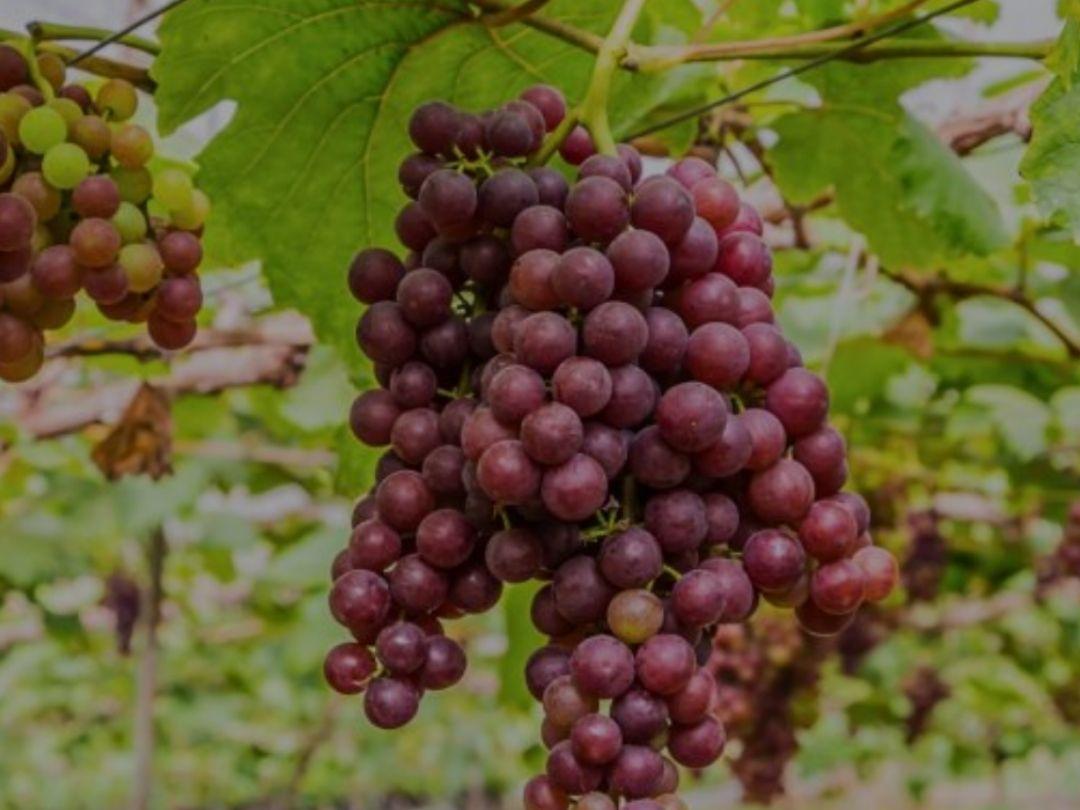
When the phylloxera louse devastated European vineyards in the late 19th century, it forced the Western wine world to graft Vitis vinifera vines onto resistant American rootstocks. However, parts of Turkey completely escaped this fate. Because of extreme high altitudes, blistering hot days paired with freezing nights, and highly specific soil profiles, Turkey is home to some of the oldest ungrafted, ancient vines in existence. They are genetically identical to the vines cultivated during the Hittite and Byzantine eras.
1. The Shield: Volcanic Ash and Sand
Phylloxera cannot survive in certain soil types, specifically high-percentage sand and heavy volcanic ash. The pest’s tunnels collapse in loose sand, preventing it from reaching the root systems.
In regions like Cappadocia (Central Anatolia) and the high-elevation plateaus of Eastern Anatolia, the landscape is defined by deep volcanic tufa and sand. Because of this natural barrier, winemakers in these pockets never had to graft their vines. You can find indigenous grape varieties growing on their own original roots (own-rooted), with some individual vines boasting trunks the size of small trees, having survived for over a century.
2. The Indigenous DNA: Grapes Found Nowhere Else
Because these vines survived the phylloxera bottleneck, Turkey retains an immense genetic treasury of hundreds of indigenous grape varieties. A few noble varietals stand out for their technical structure and pure varietal expression:
Red Varietals
- Boğazkere (The “Throat Burner”): Native to the rugged, red-clay and stone soils of Diyarbakır in Southeastern Anatolia. It produces wines with massive, muscular tannins, high acidity, and intense dark fruit profiles. It functions much like Nebbiolo or Tannat, offering incredible aging potential (easily 10 to 20 years).
- Öküzgözü (The “Ox Eye”): Characterized by huge, fleshy round berries, this grape acts as the perfect counterweight to Boğazkere. Grown in Elazığ on volcanic soils, it yields high acidity, soft tannins, and bright pomegranate and raspberry notes.
- Kalecik Karası: Hailing from the microclimate of the Kızılırmak River near Ankara. This thin-skinned grape creates an elegant, light-to-medium-bodied red with wild strawberry and rose petal aromatics, drawing frequent technical comparisons to premium Pinot Noir or Gamay.
White Varietals
- Narince (The “Delicate”): Grown along the Yeşilırmak River in Tokat. Narince is one of the few indigenous white grapes that interacts beautifully with oak aging. It develops a round, creamy texture with citrus, floral, and flinty mineral undertones, mimicking the structural weight of a classic French Chardonnay.
- Emir: Entirely endemic to the high volcanic plateaus of Cappadocia. Emir thrives in pure volcanic tufa, producing crisp, bone-dry white wines with razor-sharp acidity, mineral tones of green apple, and zero oak integration. It is also highly prized for producing premium traditional-method sparkling wines.
3. The Modern Renaissance: Amphora and “Küp”

Producers like Gelveri Manufactur located in a remote village in Cappadocia at the foot of Mount Hasan are rejecting industrial stainless steel. They source ancient, buried earthenware vessels (küp) to ferment skin-contact orange and natural wines using these exact pre-phylloxera, ungrafted indigenous grapes.
The resulting wines are structurally complex, unfiltered, and deeply expressive of the raw volcanic terroir. They are exactly what wine tasted like thousands of years ago, completely unaffected by modern hybrid manipulation or European rootstock intervention.
For a deeper dive into the global history and impact of this vine pest, this educational breakdown on pre-phylloxera wines outlines exactly how the insect upended viticulture and why surviving own-rooted vineyards are so incredibly rare today.