The Lifestyle - Watches

The Lost Icon of Le Mans: The True Story Behind the Mysterious Dutray Clock

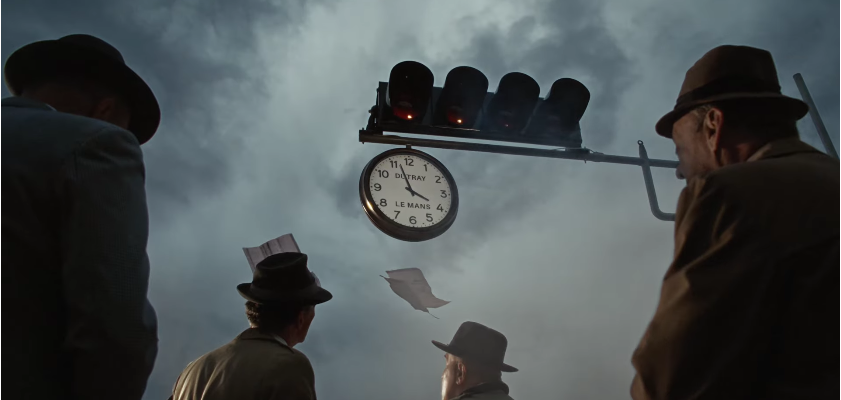
The story of the Dutray clock is pure, old-school motorsport folklore. For anyone obsessed with the visual “bones” of mid-century racing—especially the era captured in Steve McQueen’s 1971 cinematic masterpiece Le Mans that specific clock face is an absolute holy grail.

It wasn’t a corporate marketing masterpiece cooked up in a boardroom; it was local, mechanical, and deeply grounded. Here is the true story of how a small-town French jeweler created the ultimate icon of endurance racing timekeeping.

1. Not a Watch Brand, But a Local Jeweler

If you search the history books for “Dutray Chronographs,” you won’t find a massive factory in Switzerland. Dutray was actually a prestigious family jeweler and watch retailer located right in the heart of the town of Le Mans (at Place St. Nicolas).

In the early days of the 24 Hours of Le Mans, official corporate timekeeping sponsorships didn’t exist the way they do today with Rolex. Instead, the Automobile Club de l’Ouest (ACO) partnered with local businesses. In 1949, Dutray stepped up to provide the first official trackside clocks, originally collaborating with Rolex to bring premium movements to Circuit de la Sarthe.

2. The Iconic 1959 Round Clock

In 1959, Dutray installed a massive, double-sided round analog clock right above the pit lane and starting straight. This is the clock that defined the golden era of endurance racing.

It featured incredibly distinct, hand-painted, stylized typography for the numerals that didn’t match any existing font in the world—it was pure art deco industrial design. The word DUTRAY was boldly stamped across the upper half of the face.

For drivers running the classic “Le Mans Start” (where they sprinted across the asphalt to jump into their cars), that clock face was the last thing they stared at before turning the key. It bore witness to the legendary battles between the Ford GT40s and Ferrari prototypes in the late ’60s, ticking down the grueling 24 hours year after year.

3. The Shift to Digital and the Seiko Era

Dutray didn’t just stick to vintage analog dials; they pushed the technical envelope as the race evolved:

  • 1974: Dutray built the very first digital timing clock at the circuit, heavily sponsored by Tissot, to accommodate the hyper-precise splits needed for modern prototypes.
  • 1976: They brought back a classical round face, this time engineering a massive clock unit in conjunction with Seiko.

4. The Great Mystery: The Lost Icon

By the late 1980s, corporate giants like Cartier (making clocks for Ferrari) and eventually Rolex began taking over the commercial real estate of the pit lane.

The original, legendary 1959 round Dutray clock was moved over to the Alain Prost Karting Circuit (located right within the Le Mans complex) so it could continue its duty keeping time for the next generation of racers.

Then, sometime in the 1980s, during a wave of track and timing tower renovations, the clock completely vanished. An unscrupulous collector or opportunistic thief snuck away with it. To this very day, the original 1959 Dutray pit-lane clock remains entirely missing, swallowed up by history.

The Cult Legacy: Because the original is gone, the Dutray clock has attained a mythic status among gearheads. Today, serious Le Mans enthusiasts and vintage Porsche guys painstakingly recreate the vector files of those unique, handwritten 1959 numbers by hand, printing them out to modify cheap garage clocks just to get a piece of that unpretentious ’60s pit lane atmosphere on their workshop walls.

Leave a Reply

Your email address will not be published. Required fields are marked *